CIS Introduces First Nations Equity and Revenue Sharing in Renewable Energy Tenders
The federal government is reserving 500 megawatts (MW) in each of the upcoming Capacity Investment Scheme (CIS) tenders for energy projects that incorporate equity or revenue-sharing agreements with First Nations groups.
This new Set Aside pilot, launched in May, aims to enhance energy collaborations with First Nations, designating 500 MW from the 5 gigawatt (GW) generation tender 9, as well as an additional 500 MW and 2 gigawatt-hours (GWh) of battery storage in tender 10 for a total of 16 GWh of dispatchable power.
Requirements for Participation
To be eligible, developers must form partnerships with First Nations groups that involve either a minimum five per cent equity stake, revenue sharing equivalent to five per cent equity, or a combination of both totalling five per cent equity. Bids will still be evaluated based on the standard CIS merit criteria.
The new initiative intends to promote First Nations ownership and involvement in revenue “participation” for significant energy projects, according to a recent post by the Department of Climate Change, Energy, the Environment, and Water (DCCEEW) on LinkedIn. The post states, “The pilot supports co-ownership and revenue-sharing arrangements tailored to the needs of communities and projects,” and is structured to generate enduring economic and social gains for Traditional Owners and First Nations communities.
Previous Initiatives and Community Participation
Although the CIS framework has previously encouraged applicants to propose equity stakes or revenue sharing as part of their offers, it wasn’t until August last year that a proponent took this step. “Many successful projects have adopted this practice; however, feedback indicated that more focused actions were necessary to encourage wider community participation in these clean energy initiatives,” notes the DCCEEW website.
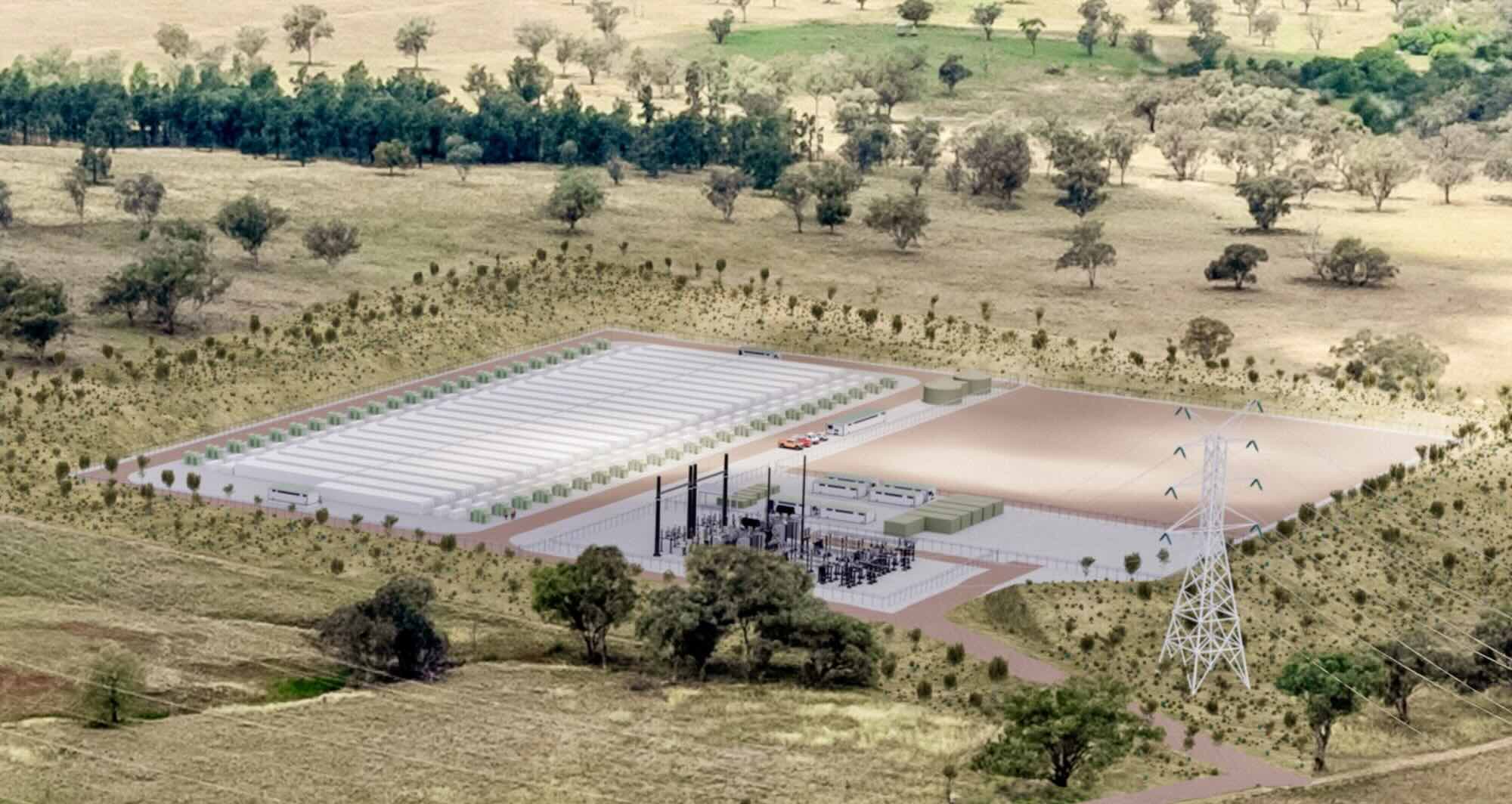
The inaugural model for First Nations co-ownership was established last year between Ampyr Australia, a newcomer in the battery storage sector supported by Singaporean firm AGP, and the Wambal Bila indigenous community corporation. The name Wambal Bila translates from Wiradjuri to mean mountain-river, and they now have an option through an equity right to acquire a 5 per cent equity stake in the 300 MW, 600 MWh Wellington battery, referred to as Bulbul, which is being developed alongside two existing solar farms owned by different companies.
A Unique Co-Ownership Structure
This arrangement is believed to be the first co-ownership agreement in the sector free from Native Title or other legal entanglements.
Ampyr’s CEO, Alex Wonhas, estimates that this collaboration could yield Wambal Bila between £20 to 30 million over the lifespan of the project, which is projected to last two decades. Gavin Brown from Wambal Bila mentioned during a webinar hosted by the First Nations Clean Energy Network that the partnership emerged out of the realisation that battery development doesn’t generate significant job opportunities, and both parties were seeking a “commercial win-win” beyond mere benefit or revenue sharing.
“It wasn’t entirely intentional. We had to act swiftly, finalising the deal in just six months. That’s not typically advisable… we had to establish trust rapidly, which was facilitated through a highly transparent approach from the proponent,” he explained.
Signalling a Shift in Energy Partnerships
Will Story, Ampyr’s head of First Nations and Community Partnerships, remarked that integrating tangible commercial benefits into the next round of CIS tenders signals that developers must genuinely consider First Nations involvement. “It’s a clear indication from the government that the energy transition should encompass First Nations communities, it’s as straightforward as that,” he informed Renew Economy.
“I recognise that not every community desires the same outcomes or that every collaboration will follow a uniform model, but this denotes a definite opportunity for economic empowerment that we need to explore earnestly.”
He explained that there is considerable potential for developers and First Nations peoples to transition from a transactional interaction to genuine commercial partnerships, pointing to the Wambal Bila arrangement that simultaneously delivers community benefits and aligns with their commercial philosophies.
“This represents an enormous opportunity within the clean energy transition that not only promises a reliable energy supply for Australia but also empowers First Nations communities with long-term revenue to invest in their future.”