Victoria’s Largest Urban Solar Farm at La Trobe University
As the world moves towards reducing carbon emissions, organisations with energy-heavy operations face growing demands to cut down on their environmental impact and update older facilities while also managing new energy demands.
Universities, like La Trobe University, encounter similar challenges. Their sprawling campuses incorporate numerous buildings, transport systems, research spaces, and essential services, all contributing to a complex energy landscape.
Transforming Energy Management
La Trobe University has embarked on a significant initiative, investing $75 million in a decade-long commitment to achieve net-zero emissions by 2029. Their collaborative effort with Schneider Electric and other partners has focused on upgrading aging infrastructure, implementing large-scale renewable energy solutions, and enhancing efficiency at its campuses in Melbourne, regional Victoria, and Sydney.
Harnessing Renewable Energy on Campus
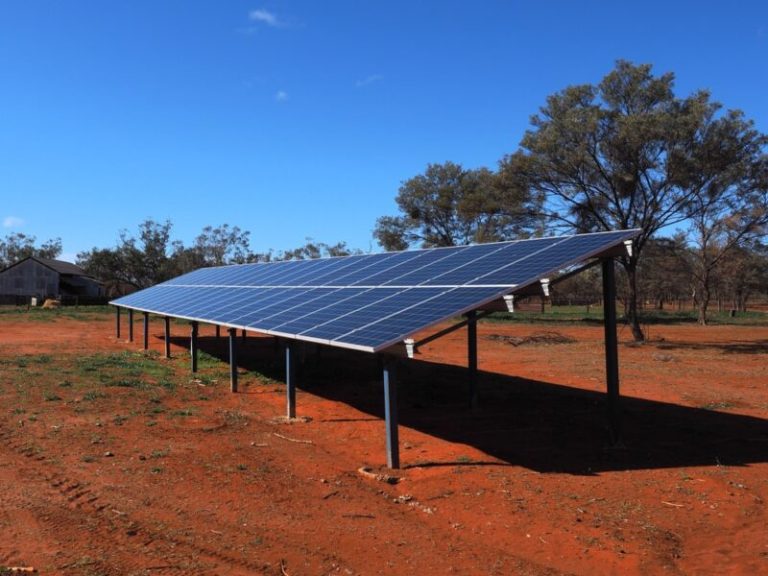
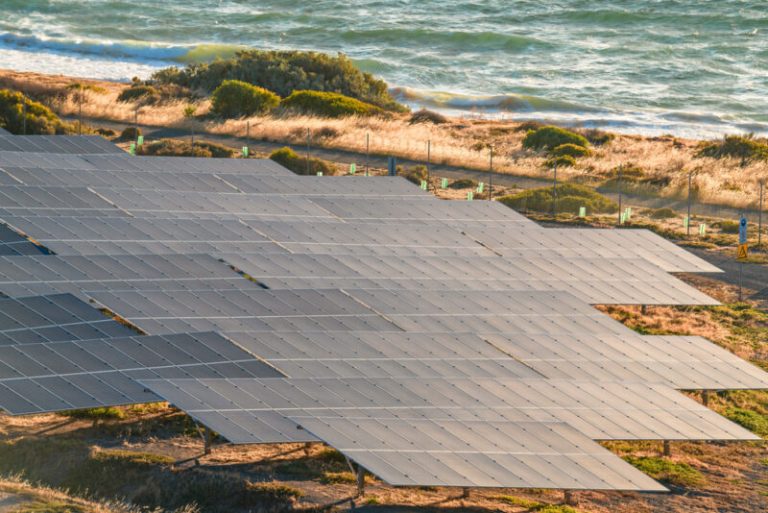
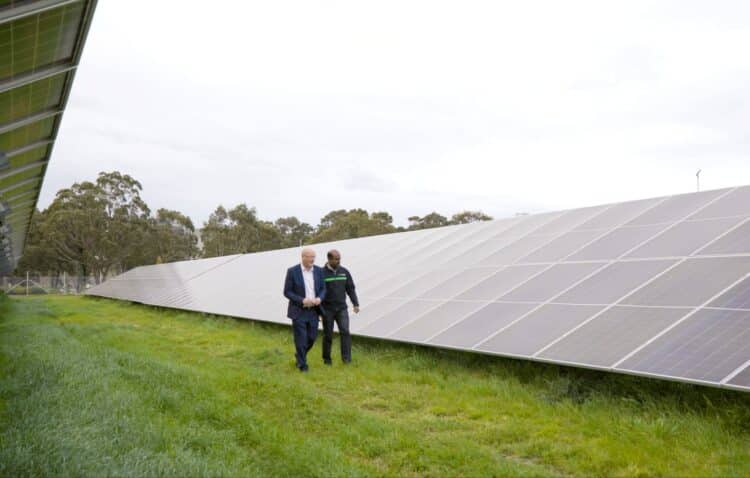
At the Bundoora campus, the installation of Victoria’s largest urban solar farm is revolutionising the university’s energy generation and management practices. Spanning 3.5 hectares, the solar farm features 4300 solar panels that produce 2.9 megawatts (MW) of renewable energy. Supporting this is a state-of-the-art 2.5MW/4.5MWh battery energy storage system that captures excess solar energy to bolster reliability and grid stability.
The integration of this generation and energy storage system into the campus’s existing electrical network necessitated significant upgrades to the infrastructure. Schneider Electric partnered with La Trobe to connect the solar farm and battery storage, enhancing operational efficiency and reducing carbon emissions. Key upgrades included the adoption of SF₆-free SM AirSeT switchgear, which ensures power reliability while minimising the environmental footprint of the distribution system. Its sustainable and low-toxicity design may extend the asset’s lifespan from 30 to 40 years.
Enhancing Energy Performance Insights
The revamp of physical infrastructure is only one facet of La Trobe’s transformation. Effectively managing a diverse network of renewable resources, storage, and electrified loads requires up-to-date visibility regarding system performance.
Utilising Schneider Electric’s EcoStruxure Power Monitoring Expert, La Trobe has achieved real-time insight into energy consumption, demand trends, and optimisation opportunities across its campuses. This transparency is invaluable for facilities and engineering teams, allowing for informed operational decision-making, effective load balancing of renewables, and strategic future infrastructure planning.
The benefits of this system go beyond mere reporting; by linking operational data with the physical energy infrastructure, La Trobe can manage its entire estate more effectively and anticipate the implications of future upgrades within the network.
Broadening Electrification Efforts
The solar farm at Bundoora is just one component of a larger, multi-campus transformation initiative. Throughout La Trobe’s various sites, the programme encompasses the installation of 76 electric vehicle chargers, extensive electrification efforts, cutting-edge building renovations, and renewable energy generation on rooftops and carports. Notably, Shepparton has become the university’s first campus powered entirely by electric energy.
Each addition introduces new energy demands and connection requirements. Collectively, the solar farm, battery storage, distribution enhancements, EV charging stations, and digital energy management systems contribute to an expansive energy transformation across the multi-campus estate.
Andrew Jennings, La Trobe University’s Executive Director for Net Zero, Facilities, Assets and Services, stated, “This project epitomises our ongoing collaboration with Schneider Electric and our joint pledge to forge a sustainable future.” He emphasised the complexity of the transformation, which includes upgrading dated systems, incorporating new renewable solutions, and establishing a leading university campus. “Schneider Electric’s expertise has enabled us to electrify, digitise, and decarbonise our campuses while maintaining the quality of experience for our students, staff, and researchers.”
He highlighted the achievement of an 80 per cent reduction in emissions as a crucial milestone that positions the university strongly for its ambitious goals moving forward.
Progress Through Connected Systems
La Trobe has successfully cut operational emissions by 80 per cent, equivalent to a reduction of 45,000 tonnes of CO₂, through a comprehensive programme that involves renewable energy generation, battery storage, upgraded electrical distribution, electrification, and real-time energy management.
This approach has culminated in an estate that can be operated with enhanced insight and lays a solid foundation for the next chapter in its net-zero journey.
The experiences gleaned from La Trobe provide valuable lessons for other organisations overseeing complex, energy-demanding environments. The synergy between renewable generation and electrification yields greater benefits when the accompanying distribution, monitoring, and management systems are planned concurrently.
Further upgrades to electricity distribution are on the agenda over the next five years, ensuring the programme continues to expand across La Trobe’s various campuses. The university’s advancements illustrate how harnessing energy technologies can convert net-zero ambitions into tangible changes within infrastructure, operations, and emissions.