NSW Launches Mandatory Solar Panel Recycling Scheme to Tackle Waste Crisis
The New South Wales (NSW) government has started discussions about a mandatory recycling scheme for solar panels, aiming to establish a national standard while addressing delays in federal initiatives.
This scheme, which commenced consultations on Monday, is the first of its kind in Australia. It aims to efficiently manage an increasing volume of waste as older solar photovoltaic systems are decommissioned or replaced with more advanced models.
Addressing the Growing Waste Issue
The proposed stewardship scheme will fall under the product lifecycle responsibility Act, which was introduced by the Minns Labor government last year, initially targeting batteries.
“Existing disposal methods are inadequate for the proper management of this escalating waste issue,” stated the state’s environment protection authority in its consultation document. “A significant number of end-of-life solar panels are still ending up in landfills, stockpiled or dumped illegally.”
NSW’s Solar Footprint and Future Projections
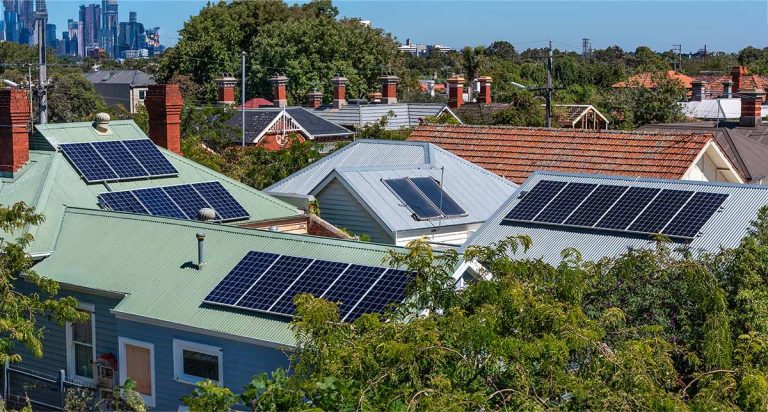
NSW is home to approximately 25% of the nation’s small-scale photovoltaic systems, boasting 1.18 million solar installations across residential properties, schools, businesses, and community buildings.
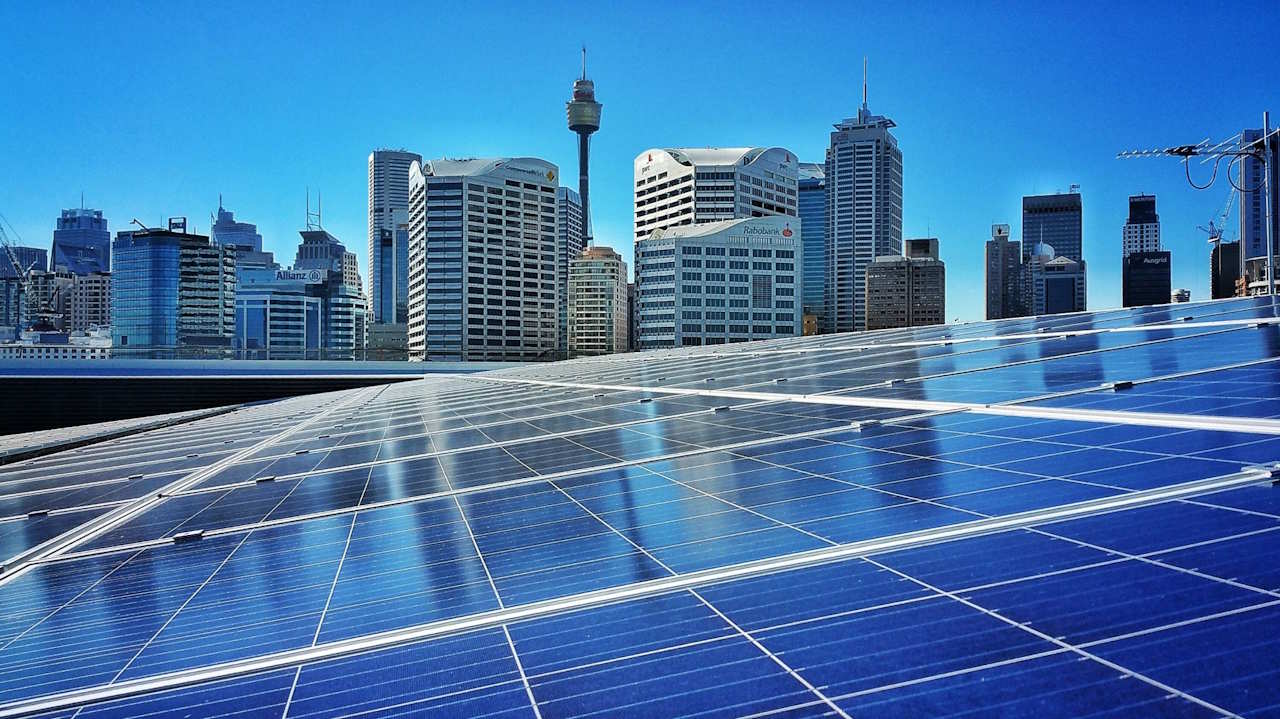
The state generates around 14,000 tonnes of solar panel waste annually, a figure expected to increase dramatically to 89,000 tonnes by 2045 according to government projections.
Penny Sharpe, NSW’s Minister for the Environment, remarked, “Our state has embraced rooftop solar energy, and it’s crucial that we ensure these panels don’t turn into the landfills of the future.” She highlighted that solar panels contain valuable materials which can be reclaimed and reused.
“A mandatory product stewardship scheme will foster a circular economy for solar panels, while creating new recycling and manufacturing prospects right here in NSW,” she added.
Filling the Gap in Federal Schemes
The NSW government is stepping in to bridge the gap left by the sluggish progress of a federal initiative aimed at establishing a framework for solar panel collection, recycling, and reuse—designed for broader adoption across states and the federal government.
The recycling industry has urged the federal government to revive this pilot recycling initiative, which has been stalled since May. One waste management firm warned that recyclers could face dire circumstances if the current deadlock persists.
Interstate Coordination and Support
Last week, environment ministers from various states and territories convened in Brisbane, discussing solar panel management among other pressing topics. They “endorsed principles and design features for a nationally aligned stewardship scheme for solar panels, emphasising the need for immediate action to address the increasing quantity of end-of-life solar panel waste,” as per the ministers’ communique.
The statement mentioned NSW’s commitment to finalising regulations by the end of 2026, suggesting that other jurisdictions may adopt this flexible model, potentially transitioning into a federal scheme in the future.
Gayle Sloan, Chief Executive of the Waste Management and Resource Recovery Association of Australia, expressed enthusiastic support for NSW’s initiative, believing it would create crucial stability and scale needed to incentivise investment in local recycling efforts.
The Importance of Product Stewardship
Sloan noted that this approach embodies a key principle: those involved in the design, manufacture, and supply of complex products are responsible for their entire lifecycle.
“Stewardship brings economic changes, fostering longer-lasting products that are designed for repair, reuse, and recycling, and ensures the recovery of valuable materials at the end of their life cycle rather than relying on the continual extraction of raw resources,” she explained.
She added that with defined collection processes, recyclers could anticipate material returns, and manufacturers could rely on consistent streams of secondary materials, making it easier to build a convincing business case for local processing and manufacturing.
Recognition from Industry Leaders
Suzanne Toumbourou, Chief Executive of the Australian Council of Recycling, also praised the launch of NSW’s scheme, expressing gratitude towards any efforts aimed at managing solar panel waste, especially given the uncertainties surrounding the federal programme. “It’s reassuring to see at least one jurisdiction taking decisive action,” she asserted.
The lack of cohesive federal action to introduce container deposit schemes has resulted in eight disparate initiatives across different jurisdictions, which the industry would like to avoid repeating, according to Toumbourou. “A unified strategy is essential to advance solar recycling stewardship,” she said.
Funding and Resource Recovery
The proposed stewardship scheme will require solar panel manufacturers to assume responsibility for the end-of-life management of their products, which would include supporting the costs associated with collection, recycling, and resource recovery throughout NSW.
As the volume of recoverable materials increases, the government anticipates it will enhance local supply chains, bolster manufacturing capabilities, promote innovation, and create skilled job opportunities within the state.
Essential materials recoverable from old solar panels include silver, copper, aluminium, and silicon. However, deteriorating photovoltaic panels also risk leaching harmful metals such as lead, chromium, and silver, according to the EPA.
The agency highlighted that local councils, already struggling with limited landfill capacity, are increasingly burdened with the costs associated with clean-ups and waste management. They added that current recyclers face challenges due to high logistics costs, inconsistent material availability, limited end markets, and economic viability issues.
Public consultation for the recycling initiative is now open until 5 PM on November 16th.