Industry Split on Data Centres’ Renewable Energy Solutions
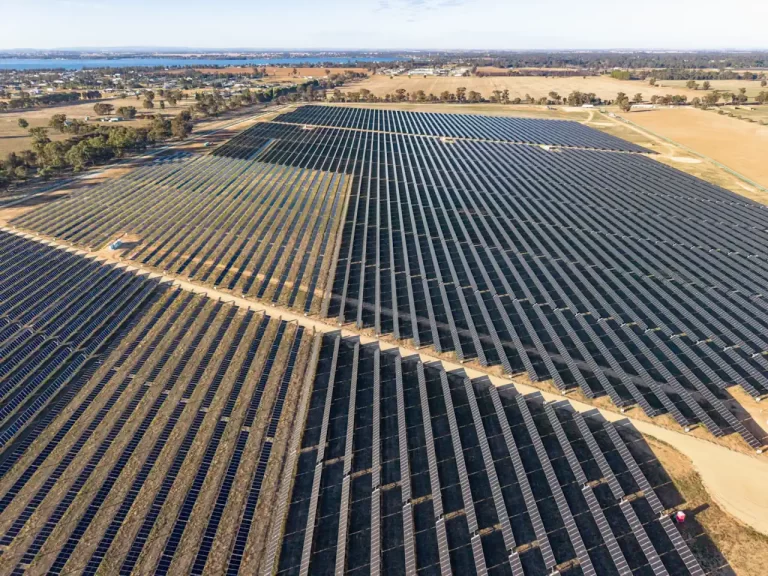
Renewable energy companies and their lobbying representatives are coming together to tap into the rising power needs of data centres. However, they are split on how to handle generator credits from existing rather than newly built solar and wind farms.
The crux of the disagreement revolves around Renewable Energy Guarantee of Origin (REGO) certificates. While established players are eager to maximise the worth of credits from operational plants, some critics warn that this strategy could lead to perceived “green washing,” which may not effectively support the launch of new initiatives.
Industry Groups at Odds
Within this landscape, there are two primary factions: the Clean Energy Council (CEC) and the Clean Energy Investor Group (CEIG) are aligned against the Smart Energy Council (SEC). Companies also tend to group based on their current capacity compared to their aspirations for expansion.
“To prevent the additional demand from data centres from leading to increased emissions and prices, the only viable solution is to enhance the supply of renewable energy,” remarked Tristan Edis, CEO of Green Energy Markets.
“We must ensure that we do not inadvertently create a significant loophole that allows data centres to bypass the obligation of introducing new energy sources,” he expressed in an interview with Renew Economy.
“Acquiring large-scale generation certificates or REGOs from established renewable initiatives is quite affordable and will likely remain so due to a surplus of these certificates,” Edis added.
Regulatory Challenges
The complicated signals emerging from this industry coincide with efforts from the Albanese government and regional authorities to exploit productivity opportunities from one of the economy’s few growth sectors without burdening the power grid or escalating prices.
Ministers like Chris Bowen have stressed the importance of prioritising clean energy. However, regions led by the Coalition, such as Queensland and the Northern Territory, as well as Labor-governed South Australia, have indicated that coal and gas will still play vital roles in meeting the expected surge in demand for electricity.
Projections and Recommendations
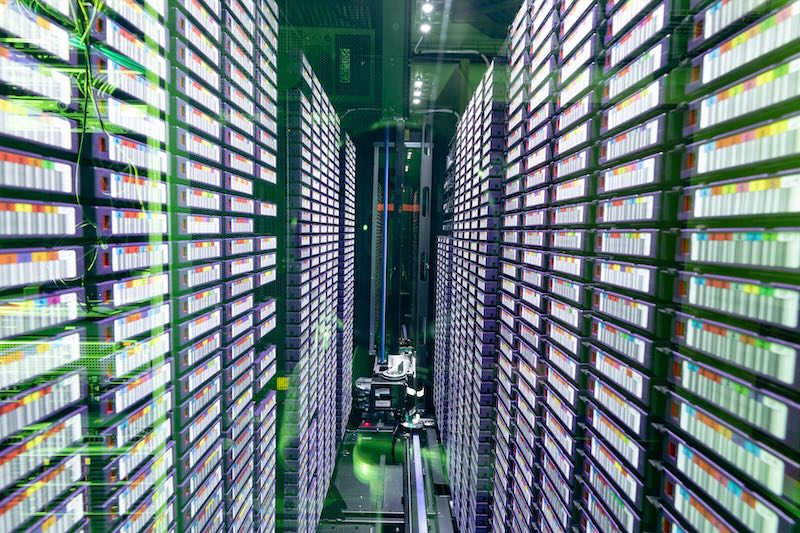
According to the Australian Energy Market Operator’s 2026 Electricity Statement of Opportunities, which is currently being revised because of delays with the Snowy 2.0 pumped hydro initiative, energy consumption from data centres is projected to soar sevenfold to approximately 34 terawatt-hours over the next decade.
The Australian Energy Markets Commission (AEMC) has suggested a temporary solution that would permit data centres to fulfil their obligations by purchasing REGOs from existing generators in the early years.
AEMC Chair Anna Collyer later clarified to Renew Economy that this is merely a proposal for consideration.
Support for Temporary Measures
This temporary solution has gained support from the CEC and CEIG, both of which favour using generic, or “vintage” REGOs from existing projects to assist data centres, as noted in their submissions to a Senate committee looking into the influence of artificial intelligence and data centres.
They argue that there is likely to be a significant time difference between how quickly new data centres can be constructed and the longer timelines needed to establish new renewable energy sources.
The CEIG referenced 2017 CEC data indicating that the typical duration for wind, solar, and large-scale battery projects to move from financial closure to operation is about 30, 21, and 23 months, respectively. In contrast, data centres generally take around a year to build, although the CEIG cautioned that this estimate may not reflect the latest developments.
Conditional Support for Existing Credits
In terms of the bridging mechanism, the CEIG advocates a model requiring data centres to surrender or retire LGCs or REGOs acquired from existing renewable projects, excluding below-baseline generators, to cover the interim until their contracted new generation comes online.
This model, according to them, has the added benefit of enhancing the value of existing assets, thereby enabling investors to reinvest capital into new energy initiatives.
The CEIG suggested that the use of existing REGOs should be restricted to a three to five-year period, after which data centre requirements must be met by long-term agreements for new generation sources.
Calls for Transition Plans
The CEC also pointed out that New South Wales has suggested a four-year “glide path” for this transition, while Ireland has proposed a six-year timeline. “CEC members support both proposals and agree that whatever timeline is selected, it should be reviewed after two years,” they noted in their submission.
A CEC spokesperson, whose members include the data centre developer AirTrunk, remarked that “new data centre requirements should ultimately align with renewable energy supply, with data centres committing to this new supply either concurrently with or shortly after making their investment decisions.”
To alleviate upward pressure on wholesale electricity prices, the spokesperson continued, it is vital to limit the period during which new data centre demands are placed ahead of new supply availability.
Other Perspectives
On the contrary, the SEC insists that data centres must completely offset their electricity consumption with new renewable generation, verifiable through REGO certificates. They argue that this should occur alongside the acknowledgment of power purchase agreements and contracts under the upcoming Electricity Services Entry Mechanism (ESEM) expected to launch by 2030, with back-up support stemming from storage options rather than gas.
Green Energy Markets also voiced strong opposition to the usage of existing REGOs, arguing that it yields no benefits in terms of increasing renewable energy or reducing greenhouse gas emissions.
Conclusion: Industry Reality Check
The Green Energy Markets’ submission maintained that whatever adjustments arise from the inquiries, they should start from the policy expectations set by the Albanese government in March this year.
They stated that to fulfil the government’s objective of preventing data centres from inflating electricity prices in specific regions, agreements for variable renewable energy should be established with renewable projects, ideally located within the same state, by March 23, 2026. Projects receiving a financial investment decision after this date should be required to comply with these guidelines.
Edis believes the renewable energy sector can meet these challenges effectively, provided that the right incentives are in place and the more ambitious data centre electricity demands do not materialise. “This is entirely feasible,” he concluded.