Bendemeer Solar-Battery Project Faces 119 Objections, Heads to IPC
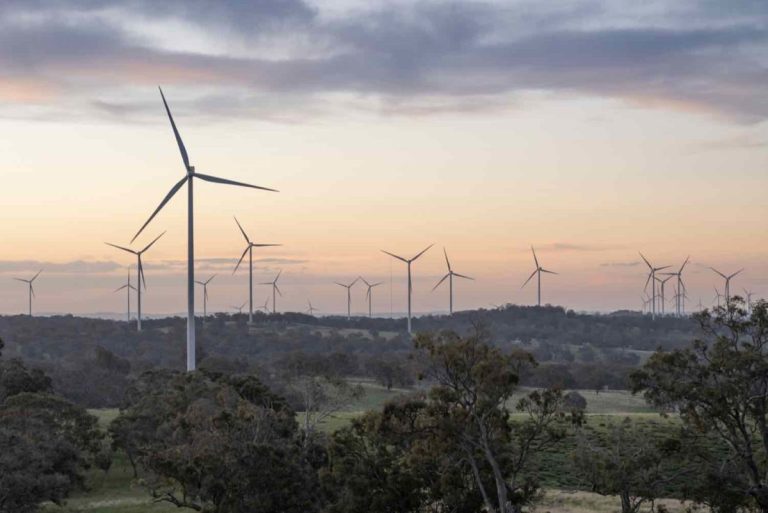
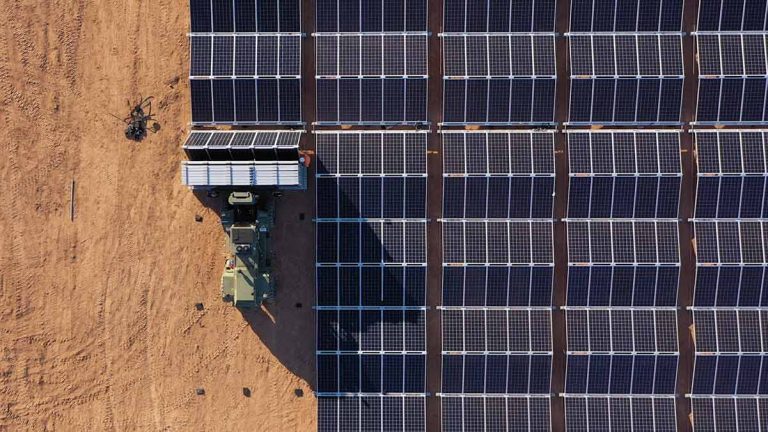
A solar and battery initiative in one of New South Wales’ most debated renewable energy zones has reached a crucial stage after receiving 119 objections from the public. The proposed 255 megawatt (MW) DC Bendemeer solar project aims to incorporate a 150 MW battery energy storage system (BESS) and 300 megawatt-hours, alongside a separately reviewed 360 MW wind farm in the NSW New England area.
The future of Metis Energy’s Bendemeer Renewable Energy Hub, which comprises both solar and battery components, now lies in the hands of the state’s Independent Planning Commission (IPC). The project automatically qualifies for IPC assessment after receiving over 50 objections, a rule that applies regardless of whether objections originate from nearby residents or those living hundreds of kilometres away.
Significant Local Opposition
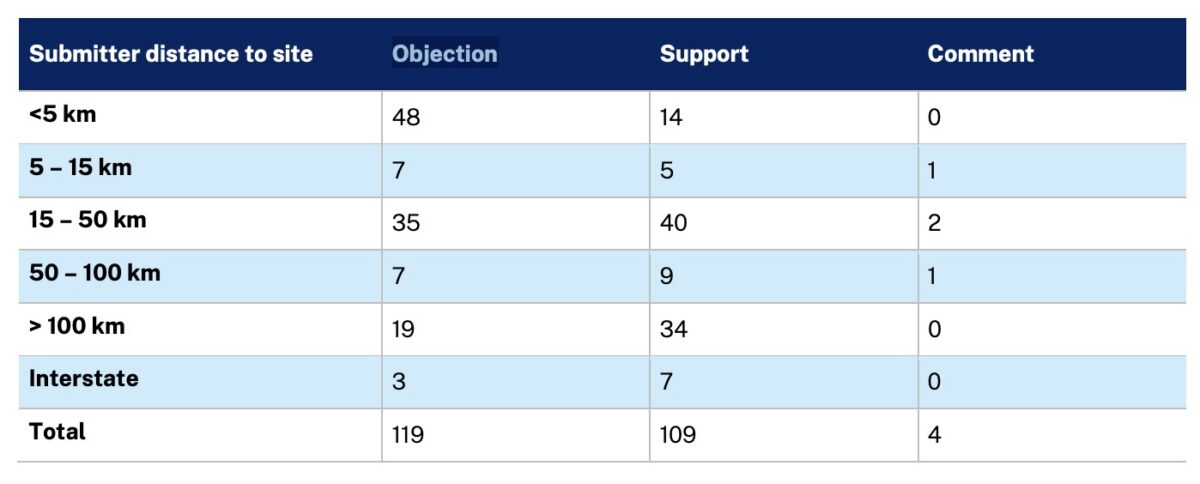
What stands out in this case is that 48 of the 119 objections came from residents living within just 5km of the project site, particularly from the nearby town of Bendemeer. The strong local opposition reflects deeper concerns about the project’s impact on the community.
Another noteworthy aspect is the lengthy timeline, as the public submission period ended three years ago. Since that time, the solar and battery project has been revised extensively to address substantial community concerns. The NSW Department of Planning, Housing and Infrastructure noted in its assessment for the IPC that the amended application sought to mitigate biodiversity impact worries by considerably reducing the development area and limiting native vegetation clearance.
Major Modifications and Revised Plans
In response to apprehensions voiced by the community, local councils, and various governmental bodies, the proponent, Athena Energy Australia—part of Singapore’s Metis Energy—was compelled to modify 13 different aspects of its proposal. The project underwent two revisions of its Biodiversity Development Assessment report and was required to furnish additional details regarding the accommodation of its workforce.
Amendments included eliminating 49 hectares from the initial 104 hectares designated for endangered habitats, trimming an additional 100 hectares from the project’s footprint, lowering the installation of panels, and enhancing noise and visual barriers from the adjacent town.
Located about 1.8 kilometres from Bendemeer, which had a population of 486 according to the most recent Census, the project narrowly evaded being intersected by a transmission line that EnergyCo plans to implement to support the expansion of the New England Renewable Energy Zone (REZ).
Community Concerns and Submission Landscape
In October of last year, the project was one of 11 solar-battery hybrids to secure revenue underwriting agreements under the federal government’s Capacity Investment Scheme. However, the original development application for the solar and battery facility garnered a total of 232 distinct submissions in 2023, with 119 objections, 109 supporting the project, and four providing additional comments, alongside input from twelve government agencies.
Many locals expressed their concerns about the project’s proximity to the village, particularly regarding the battery and substation, fearing that a solar and battery facility could disrupt the tranquillity of their rural setting.
The objections reflect a shift in public sentiment, with echoes of an era when declarations about ‘ruinabulls’ were less common. An advocacy group from Yarrowyck, situated approximately 50km north of Bendemeer, produced a well-articulated objection with no spelling mistakes, voicing its concerns accordingly.
Emerging Themes in Community Objections
Responses from residents began to show emerging themes, including the term “solar factory” and mentions of nuclear energy as a preferable alternative, along with worries about chemical run-off affecting local waterways. A public hearing regarding the Bendemeer project is scheduled for next month, and currently, there is an opportunity for further public submissions.
For those interested in staying updated with the latest clean energy developments, more than 26,000 subscribers receive daily news directly to their inbox—free of charge.