Home Battery Installations Surge Amid Safety Concerns, Regulator Reports
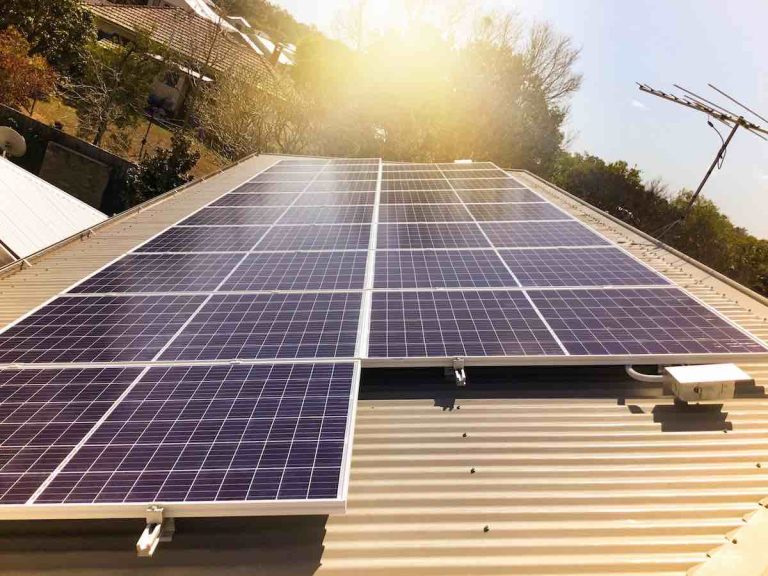
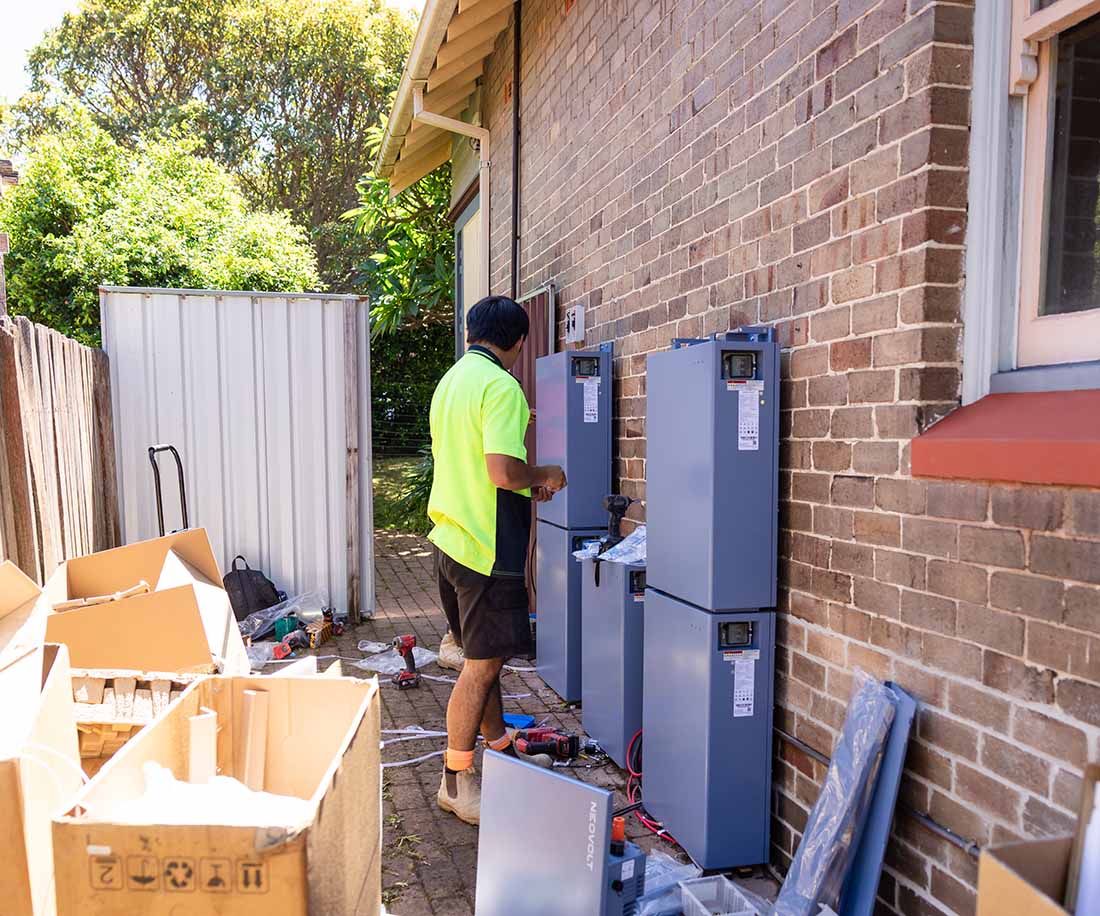
The swift adoption of home batteries, driven by government incentives, has led to a rise in “substandard” installations of both energy storage and new solar PV systems. In response, the Clean Energy Regulator (CER) has announced a targeted approach to enhance compliance in the sector.
This revelation comes from the CER’s report on its Small-scale Renewable Energy Scheme (SRES) inspection programme for the past year, which was released over the weekend.
Inspection Insights
During the reporting period of 2025-26, the CER conducted inspections on 3,425 solar battery systems and 3,129 solar PV systems, marking the highest annual number of inspections carried out by the regulator to date.
While the data for the recent year is still incomplete, spanning from July to the end of April, it reveals that the proportion of solar PV systems yielding “substandard” results has reached 27.7%, the highest rate in the last decade. Interestingly, the number of PV systems classified as “unsafe” is the lowest it has been in that time frame.
Expanded Inspection Remit
The CER has broadened its inspection focus to include batteries following the Albanese government’s introduction of the Cheaper Home Battery scheme in July last year. Approximately 470,000 homes acquired battery systems during the financial year, a figure which has surpassed 600,000 recently, even as government incentives were scaled back.
The integration of solar PV systems with battery installations has created a significant surge in activity and growth within the rooftop solar and battery market, according to the CER report.
Emerging Issues Identified
By initiating inspections soon after the launch of the solar battery programme, the CER has been successful in pinpointing technical, safety, and quality issues almost immediately after installation, allowing for prompt corrective measures.
Data from the CER revealed a concerning trend of substandard results in inspections, with batteries marked as “unsafe” hitting 2% in April, coinciding with a peak in installations before adjustments to the rebate system in May 2026.
The primary factors leading to a battery system receiving a substandard rating primarily centred around labelling issues, which alone accounted for nearly half (49%) of the findings. Common labelling problems included missing or incorrect critical warning labels and a lack of proper identification of backup circuits. Additionally, wiring issues, such as improper configuration or absent residual current devices in systems with alternative power supplies, constituted about 20% of the substandard inspections.
Safety Ratings and Compliance Actions
For the solar battery inspection programme of 2025-26, 32 systems were deemed unsafe, with 23 instances related to poor installation practices, eight linked to product recalls, and one concerning a third-party incident.
At one point, substandard findings exceeded two-thirds of all inspections conducted. Although improvements have been made following the CER’s interventions, the rate of substandard outcomes still remained above 50% as of the most recent reporting month in April.
Measures taken by the CER included enforcement actions against installers with persistent unsatisfactory inspection results, which involved issuing advisory warning letters and notices.
Future Directions for Compliance
Moreover, starting from 1 March 2026, the regulator has implemented new requirements for photographic evidence of critical solar battery labels after early inspections highlighted labelling as the leading cause of substandard results. The CER has also stepped up its provision of targeted education and guidance aimed at installers of both batteries and solar panels.
As the solar battery market continues to expand, the inspection programme is poised to remain a vital resource for identifying new risks and ensuring the safe deployment of renewable energy technologies throughout Australia.