Australia Revokes Anti-Dumping Tariffs on Solar Steel Imports
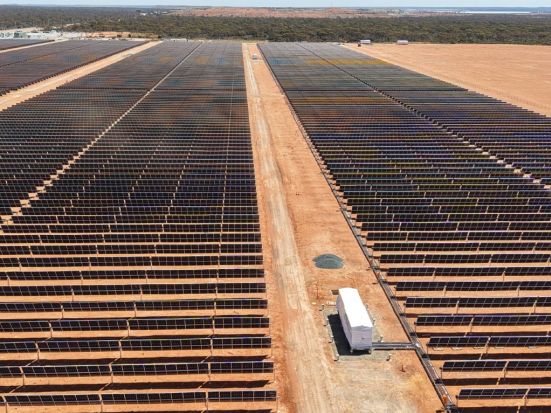
The Australian federal government has officially withdrawn its plans to impose significant tariffs on imported steel products essential for large-scale solar initiatives. This decision comes as a relief for the solar industry, which had expressed concerns about potential project delays and increasing construction costs, particularly for ongoing projects.
As reported by Renew Economy, Industry Minister Tim Ayres had previously agreed in June to implement a 48 per cent duty on hollow steel tubing, including the torque tubes crucial for mounting solar panels, imported from countries like China, Taiwan, Malaysia, and South Korea.
Industry Concerns and Responses
The controversial anti-dumping measure faced immediate backlash from the solar sector, leading to a formal request for reassessment in September. This proposal aimed to make the tariffs retroactive to September of the previous year, affecting multiple gigawatts of solar projects that had either been completed recently or were slated to commence.
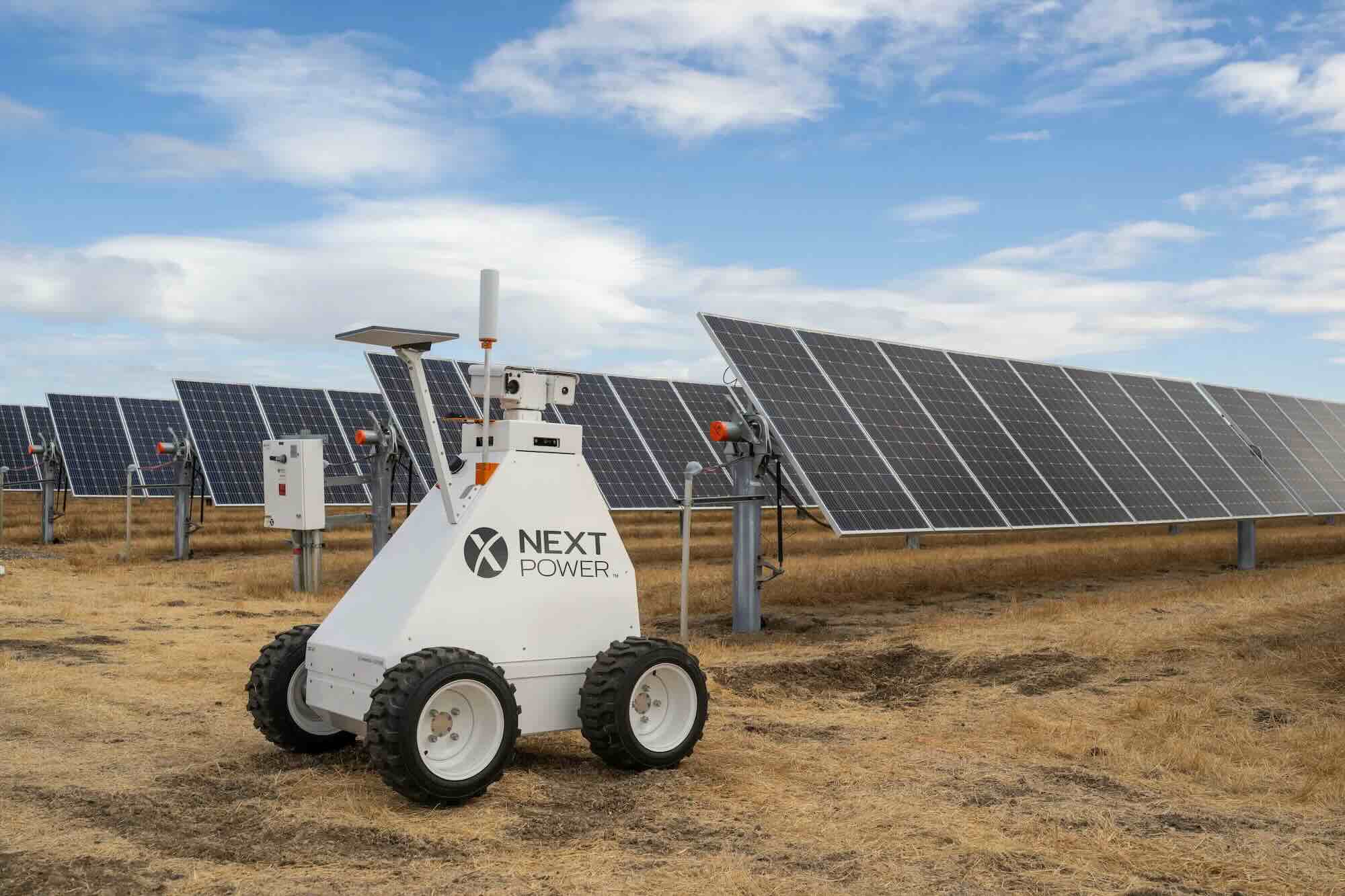
A letter from solar tracking specialists Nextpower, supported by numerous developers such as OX2, Lightsource, European Energy, and Pacific Energy, highlighted that the imported steel tubing plays an indispensable role in the supply chain, one that Australian production is currently unable to satisfy. They voiced their concerns that without a clear distinction between legitimate circumvention and essential component fabrication, the expanded measures could significantly harm project delivery.
Potential Consequences and Minister’s Decision
The letter also cautioned that not addressing or modifying the ruling would undermine investment confidence in Australia’s renewable energy sector, adversely affecting the government’s efforts to expedite the energy transition. “These are not speculative risks,” the letter emphasised, “but real and imminent challenges for ongoing projects that may face disruptions and increased costs if required specifications change.”
This week, Minister Ayres appeared to respond to the industry’s concerns by revoking the June 2026 decision concerning anti-dumping measures on drilled torque tubes, while maintaining the original duty notices as they stood.
Nextpower Australia’s managing director, Peter Wheale, informed Renew Economy on Thursday that this reversal would be applied retroactively, thereby eliminating the additional measures initiated on September 4, 2025. “I am incredibly pleased to announce that on 5 November 2026, the Australian Minister for Industry formally endorsed the recommendations of the Anti-Dumping Review Panel following Nextpower’s appeal,” Wheale declared.
Impact on Solar Developers
According to Wheale, the terms of the retraction create a robust framework allowing solar developers and suppliers to reclaim any duties previously paid, as well as to release current securities and reevaluate oustanding duty demands. However, the rationale behind Ayers’ decision to retract this specific anti-dumping ruling remains unclear. It appears counterproductive to escalate costs for a vital solar construction component, especially in light of the government’s Solar Sunshot initiative.
The $800 million Solar Sunshot programme, led by Arena, has dual objectives: to position Australia within the global solar supply chain and to further reduce the levelised cost of solar energy. Arena had pointed out to Renew Economy last month that efforts toward achieving ultra-low solar costs are progressing well at the panel and cell levels, yet there is still “a considerable distance to go” regarding lowering construction expenses for utility-scale photovoltaic projects.
Dan Sturrock, Arena’s general manager of solar investment, remarked that one of the key aims of the latest funding round is to facilitate more cost-effective construction techniques and system integration, particularly concerning racking costs.