Horsham Solar Farm Connects to Grid as Victoria’s First PV-Battery Hybrid Project
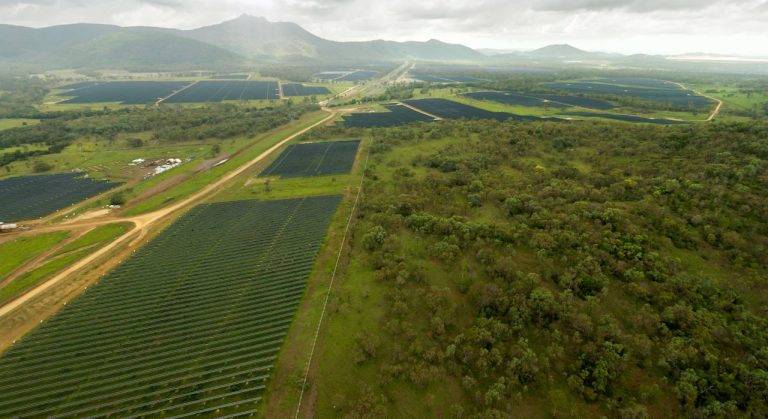
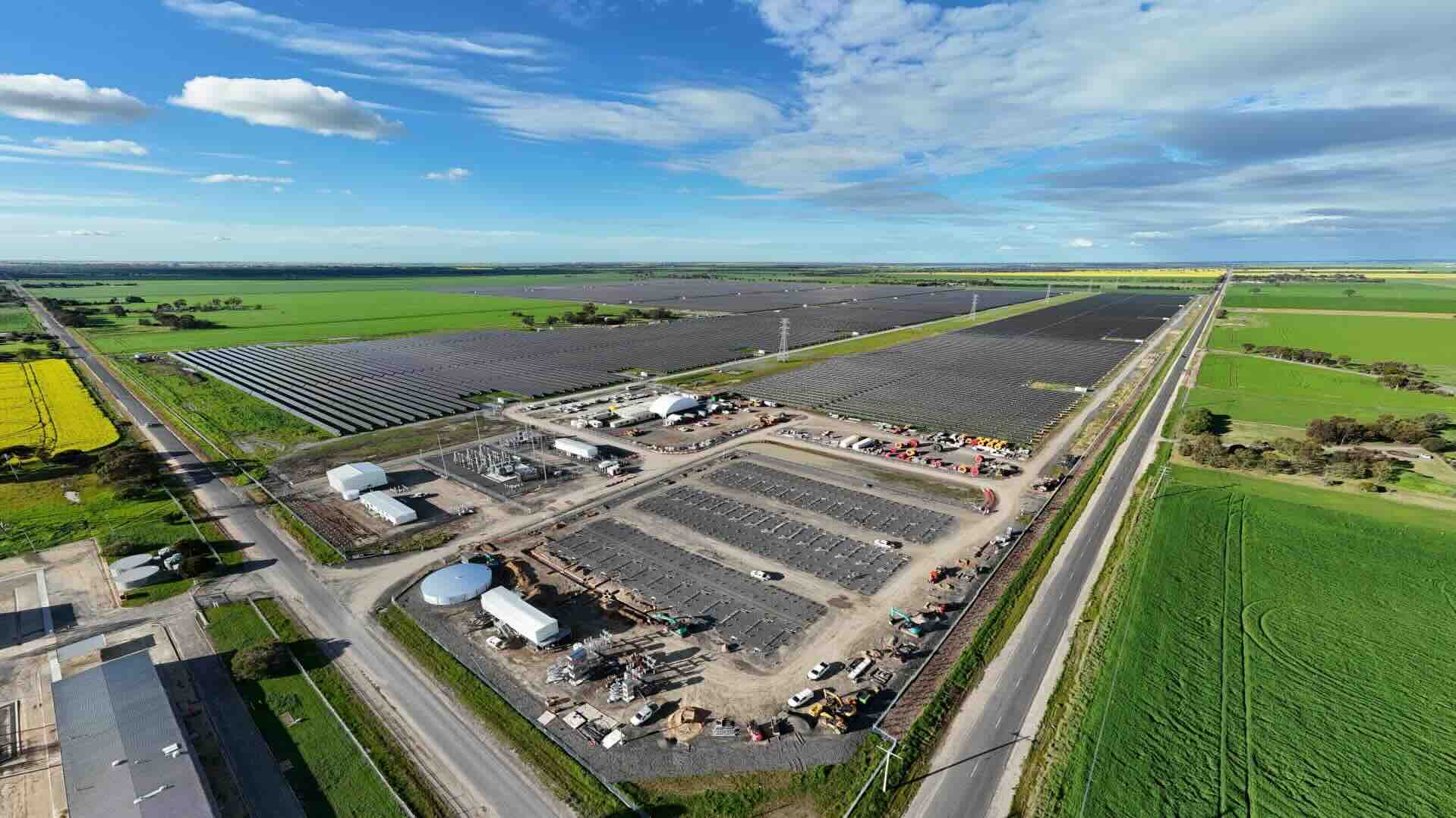
The Horsham solar farm in western Victoria, boasting a capacity of 119 megawatts (MW), has successfully connected to the power grid for the first time. This marks the beginning of what is anticipated to be the state’s inaugural solar-battery hybrid project.
With a total investment of $370 million, also known as the SEC Renewable Energy Park, the solar project has entered its commissioning phase. The initial battery modules, which will form part of the 100 MW and 200 MWh storage capacity, are expected to be delivered later this year.
Transformation of the Project
The Horsham solar initiative emerged as a successful contender in the state-run renewable energy auctions but remained stagnant until the state-owned SEC acquired it in 2024, reimagining it as a solar-battery hybrid facility.
If it becomes fully operational before the Fulham solar and battery project—still yet to connect to the grid—it will distinguish itself as one of the first in Victoria. The allure of solar-battery hybrids lies in their competitive pricing and straightforward construction processes, despite being a relatively recent technological advancement.
The first of such hybrids was inaugurated in Western Australia at Cunderdin last year, followed by the opening last month of Quorn Park in New South Wales, the first solar-battery hybrid to integrate into the National Electricity Market.
Significance for Victoria’s Energy Landscape
Lane Crocket, head of assets at SEC, noted that the SEC Renewable Energy Park is set to be fully operational by 2027, playing a crucial role in Victoria’s energy transition. Crocket emphasised its importance in supporting the state’s upcoming phasing out of significant coal plants, such as Yallourn, which is scheduled for closure in 2028.
“Today, we are celebrating a pivotal milestone on our path to renewable energy as we transition from construction to adding renewable power to the grid,” said Crocket.
This facility will also be significant as one of Australia’s first fully publicly owned utility-scale renewable energy projects and the first to be constructed from the ground up in Victoria.
Focus Shifting to Wind Energy
While solar-battery hybrids have gained popularity in Victoria, the state government has recently shifted its focus towards increasing wind energy developments, especially in anticipation of the shutting down of the Yallourn coal-fired power station in June 2028, alongside the decommissioning of the remaining Loy Yang coal plants in the 2030s.
Wind projects, however, have faced more challenges in securing financial backing, prompting SEC to step in to spearhead the development of the 205 MW Delburn wind project in eastern Victoria, which stands as one of only two wind initiatives currently under construction in the state.
Progress of the Horsham Solar Farm
The Horsham solar farm will continue its development through two preparatory phases, termed hot commissioning and hold point testing. This structured approach involves the incremental activation and testing of various components of the solar farm, including substations, transformers, underground cables, inverters, and other electrical equipment.
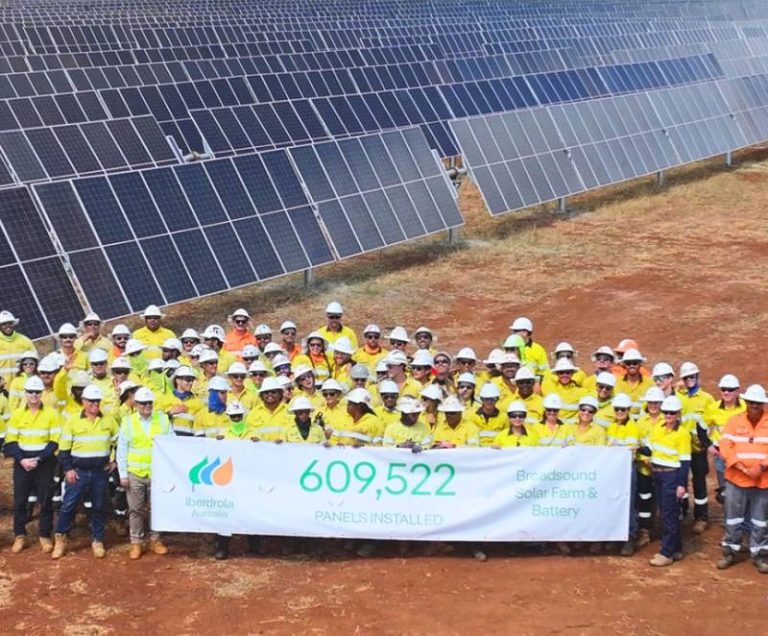
Thus far, more than 400 individuals have contributed to the project, including approximately 20 apprentices and trainees, as well as numerous tradespeople from the local area.
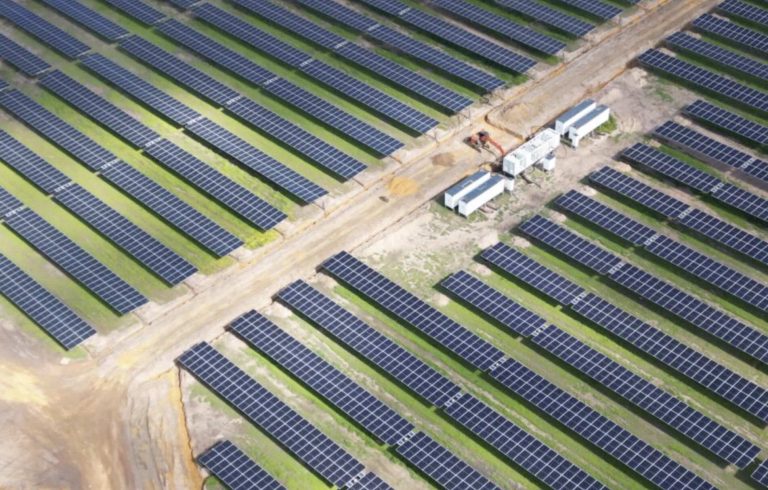
The solar installation encompasses 212,296 solar panels, an advanced tracker system, a substantial 162.5-tonne transformer, switch room substation, as well as high-voltage infrastructures, cables, and an earthing grid.
Community Investment Initiatives
In 2026, SEC plans to invest $126,000 across the Horsham local government area, representing three years’ worth of funding during the project’s construction phase. Grants of up to $25,000 are being offered for projects that aim to strengthen local ties, foster resilience, and foster positive community outcomes.
Throughout the entire lifespan of the project, a total of $3 million will be allocated towards local initiatives, projects, and services.