Halving Energy Bills for Renters: Solutions and Strategies
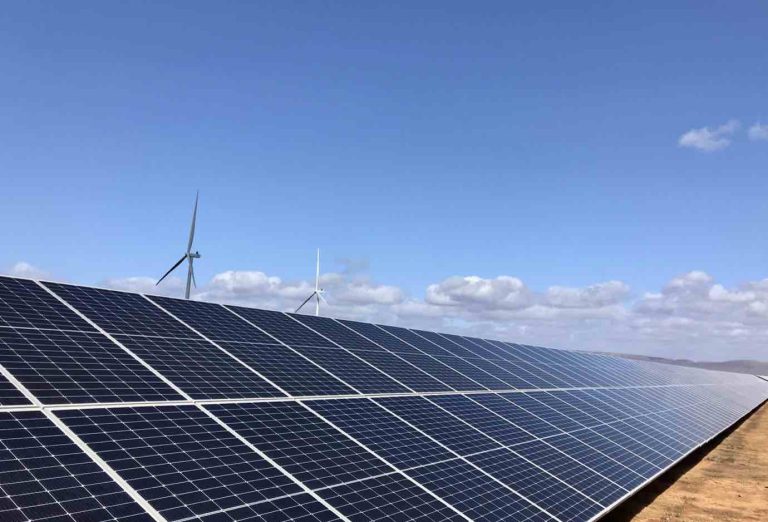
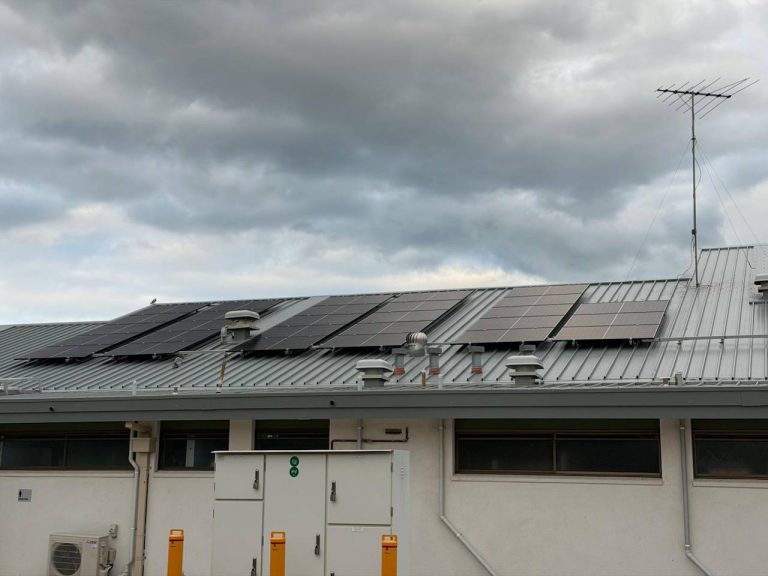
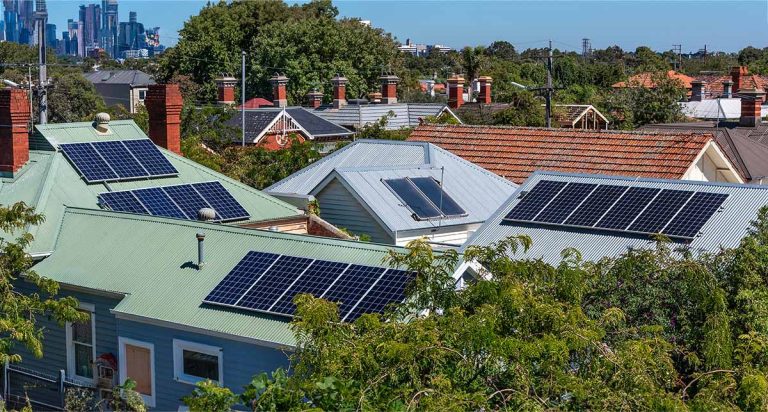
Over one-third of Australians have embraced rooftop solar, and roughly 30% are renters, yet these two groups rarely overlap.
This disparity extends to various energy performance factors; for instance, renters are nearly twice as likely to live in homes without adequate insulation.
The Risk of Leaving Renters Behind
Homeowners can now access numerous energy upgrades that significantly reduce energy costs, while renters find themselves at risk of being excluded from these benefits. The issue stems from what’s known as the “split incentive”: Landlords are responsible for making upgrades to their properties, but the financial burden of energy bills falls on their tenants, leaving landlords without adequate motivation to invest in improvements.
Previous schemes aimed at incentivising landlords to make upgrades have yielded lacklustre results. A federal program from the 2000s offered landlords a $1,000 rebate for insulation installation, with a goal of reaching 700,000 homes. In the end, less than 1% of that target was ever met.
Incentives Alone Aren’t Enough
This lack of success isn’t surprising. Simply relying on incentives fails to solve the underlying issue; most landlords are hesitant to upgrade properties when they don’t see any financial return. The increasing popularity of rooftop solar and battery storage has accentuated the divide between households that harness these technologies and those that do not.
The Australian Energy Market Commission has recently proposed significant changes to network tariffs to mitigate some of these issues. However, this proposal has its own drawbacks and fails to tackle the fundamental issue: homes equipped with energy-efficient systems, solar, and batteries generally incur much lower energy costs than those without such features.
Addressing Inequality through Standards
The only viable solution lies in providing renters access to energy upgrades. Minimum energy efficiency standards for rental properties represent one of the few effective policy mechanisms to overcome the split incentive challenge. For example, the ACT introduced new ceiling insulation requirements for rental properties in 2023, with Victoria set to go further by mandating insulation, draught-proofing, and phasing out certain gas appliances.
However, outside these regions, there are no minimum energy efficiency standards to protect renters in Australia.
A New Opportunity in NSW and Tasmania
Recently, a window of opportunity has emerged in New South Wales and Tasmania, as both states are inviting feedback on implementing minimum energy efficiency standards for rental properties.
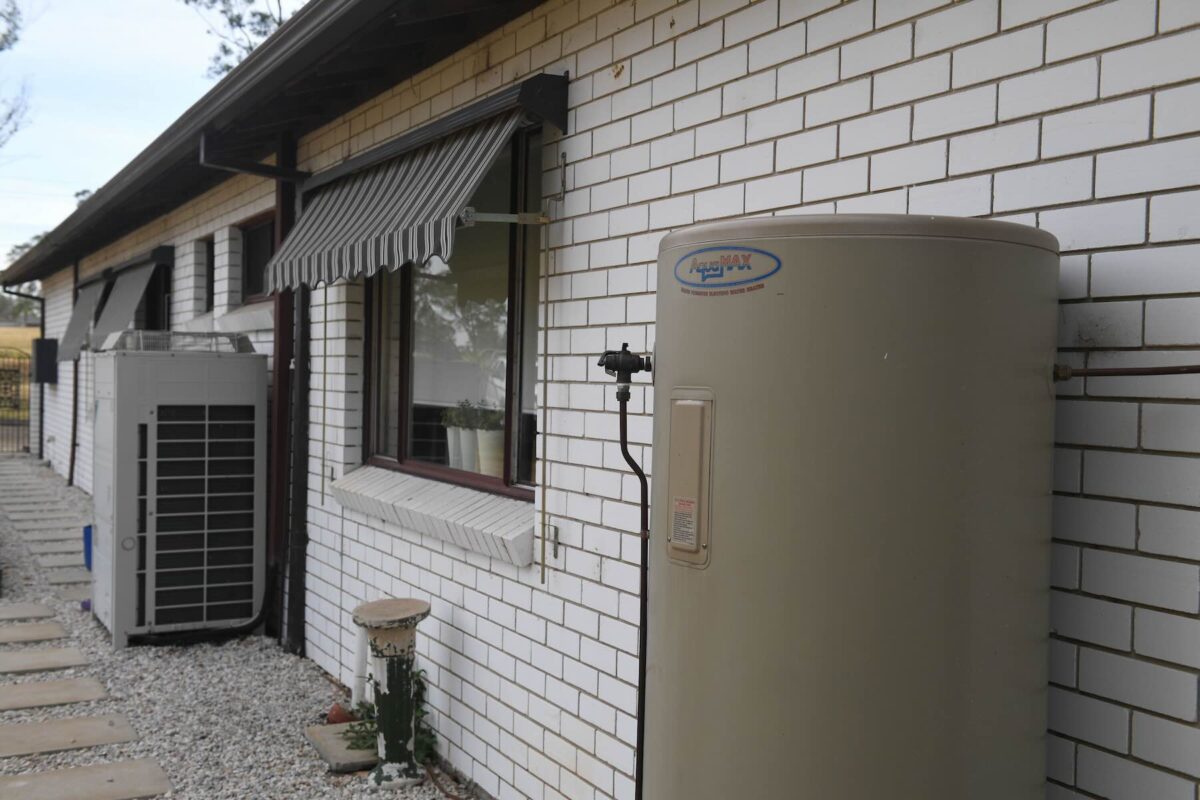
This week, IEEFA published a report exploring how to halve energy bills for renters through home energy upgrades. For most households, this could be realised through the adoption of efficient electric appliances, proper ceiling insulation or draught-proofing, and installing a small rooftop solar system. These upgrades can often be combined in various ways to achieve the desired energy savings, though prioritising the removal of gas and highly inefficient electric appliances is essential.
Key Findings from Energy Upgrade Modelling
The modelling of these upgrades, if broadly applied across rental properties in Australia as part of a rigorous push for minimum energy efficiency standards, unveiled several critical insights:
-
Energy bill savings are significant and accumulate rapidly. Renters could potentially save a staggering $107 billion in energy costs by 2050 through these upgrades.
-
The long-term savings surpass initial costs. While substantial investment is required for upgrading rental properties, findings indicate that savings would eventually exceed these costs, resulting in a net present value (NPV) of $24.8 billion by 2050. Furthermore, if costs were amortised over a 15-year loan, tenants would benefit financially from day one, even if the full costs were passed on.
-
Wider benefits for energy users. Improving rental properties would likely decrease electricity consumption in most areas during both summer and winter, particularly during peak times. The only exception may be Victoria, where a slight net increase could occur in winter as gas appliances transition to electric alternatives. However, this would lead to a considerable drop in gas usage, potentially easing supply pressures for industries.
Transforming the Landscape of Rental Properties
To make this vision a reality, implementing minimum energy efficiency standards is crucial. Several countries, including the UK (since 2018), New Zealand (since 2019), and parts of continental Europe, have adopted such measures successfully.
Victoria’s upcoming regulations requiring the phase-out of certain gas appliances in rental homes are considered to be leading-edge, yet there remains substantial room for progression, as minimum energy efficiency standards are conspicuously absent in most Australian states and territories.
Ultimately, the onus for upgrading rental properties remains with landlords. However, there are justified concerns that these costs might translate into increased rents for tenants.
Despite this, landlords could feasibly shoulder some of these expenses, especially given that the current rental market is characterised by exceedingly high rents, driven in part by a housing shortfall and lax regulations on rent increases.
If financing options for upgrades are made available to landlords under favourable conditions, such as long-term, low-interest loans, it would assure that the annual energy savings would outstrip the costs involved, even when some expenses are eventually passed to tenants.
Gradual incentives for landlords could further facilitate the implementation of these standards, alongside simple adjustments to the federal tax system to stipulate that existing incentives rely on compliance with minimum energy efficiency standards.
The advent of effective technologies, solar energy, and batteries necessitates a reevaluation of the technological framework of our energy system, as well as a reconsideration of how we ensure basic energy needs are met most economically.
With the proportion of Australians who rent their homes steadily increasing, it is evident that targeted policy efforts—particularly centred on minimum energy efficiency standards—are essential to bridge the energy disparities between renters and homeowners.