Expert Warns Solar Recycling Faces Challenges Amid Decreasing Silver Content
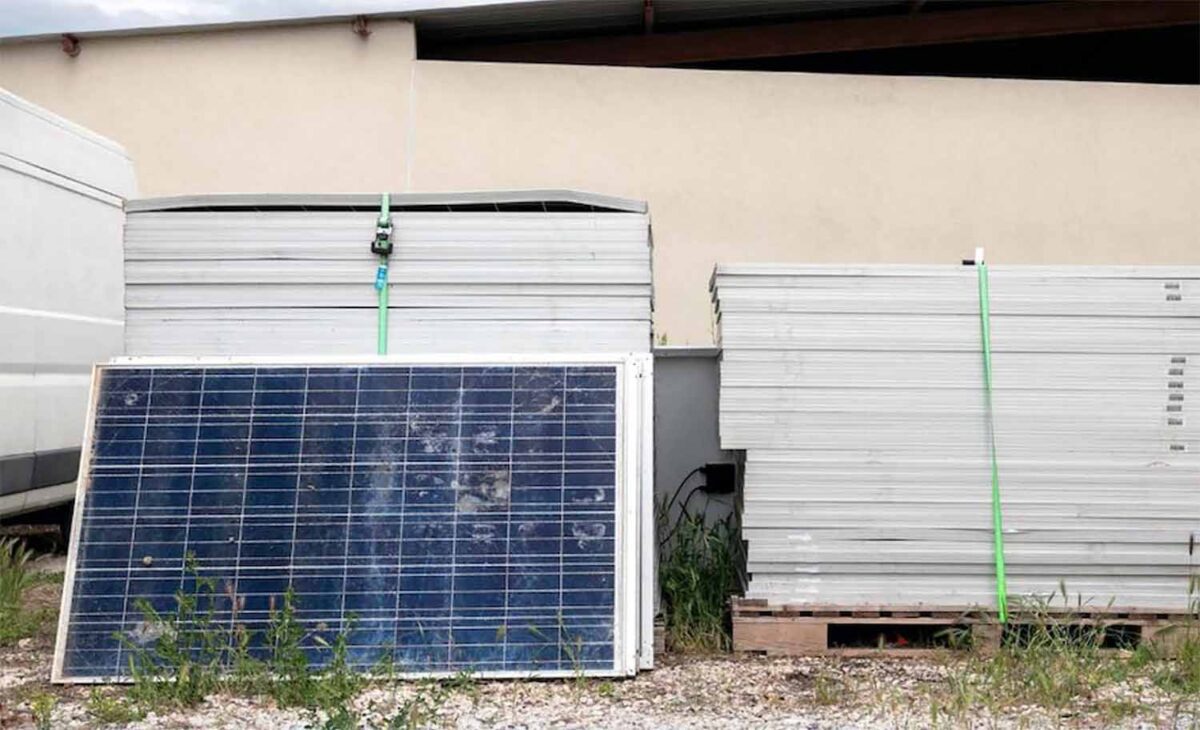
The solar industry is facing not only future waste challenges but also issues surrounding the recycling of panels. Manufacturing advancements aimed at reducing the cost of solar panels are inadvertently making recycling less economically viable, according to RMIT professor Xavier Mulet who addressed a federal inquiry on solar recycling in August.
As solar panels evolve, the quantity of precious metals such as copper and silver within them is decreasing. This reduction, intended to lower production costs, consequently diminishes their resale value for recyclers. However, John Hill, founder of Pan Pacific, a Brisbane-based recycling firm, contends that the situation might not be as dire as presented. He stated to the inquiry that, based on his hands-on experience, the amount of silver being recovered is actually on the rise, nearing levels seen two decades ago.
Government Proposals and the Recycling Landscape
The federal inquiry into the recycling and reuse of solar panels emerged shortly after the Albanese government unveiled a stalled $25 million pilot programme to set up 100 collection sites across Australia for old panels. The prospects for government assistance and additional research vary significantly depending on whom one converses with in the sector.
Australia’s solar panel recycling framework is still developing, following the setbacks of the pilot collection programme, which encountered issues regarding the selection of an administrator back in May. The Department of Climate Change, Energy, Environment and Water (DCCEEW) has since mentioned that legal matters are holding up progress.
The Economic Implications of Changing Panel Composition
While the decline in silver content might seem like a minor concern amid the pressing dilemmas faced by recycling operations currently in limbo, it points to an urgent need for a robust strategy, according to some industry leaders.
Simon Linge, head of materials recovery company LIvium, explained during the inquiry that older solar panels typically contain higher amounts of silver compared to modern iterations. As production techniques have improved, manufacturers have reduced silver usage to cut costs, which complicates the economics of recycling efforts for the new generation of panels. He advocates for an upfront fee to make recycling financially viable as the economic landscape shifts.
With less high-value material available, the recycling of an increased number of panels will be necessary to maintain profitability, as outlined by RMIT’s research team. Mulet, who leads the Advanced Materials, Manufacturing and Fabrication Enabling Impact Forum, noted that the dynamics of recycling profitability will vary with the composition of the modules being recycled.
Valuable Metals in Solar Panels and Future Projections
Mulet further revealed that silver and aluminium are critical components of silicon-based solar panels, particularly since there is currently no established market for high-grade recycled silicon in Australia. While aluminium levels remain stable, the ongoing reduction of silver within panels is a trend driven by rising prices and tightening supplies.
He pointed out that the economic parameters for recycling change depending on the age of the panels in consideration. The ability to extract more silver from older models allows recyclers to achieve their financial goals with a smaller proportion of panels. On the contrary, Hill maintains that copper and aluminium are the primary revenue drivers for his company, predicting substantial earnings from both materials for the previous financial year.
Hill optimistically noted that increasing copper content could be beneficial for recyclers, asserting that there are efforts underway amongst some companies to revert to full copper cells, suggesting this dual approach could yield positive outcomes.
The discussion surrounding solar panel recycling illustrates the complexities and evolving challenges facing the industry as it strives for sustainability in an ever-changing economic landscape.