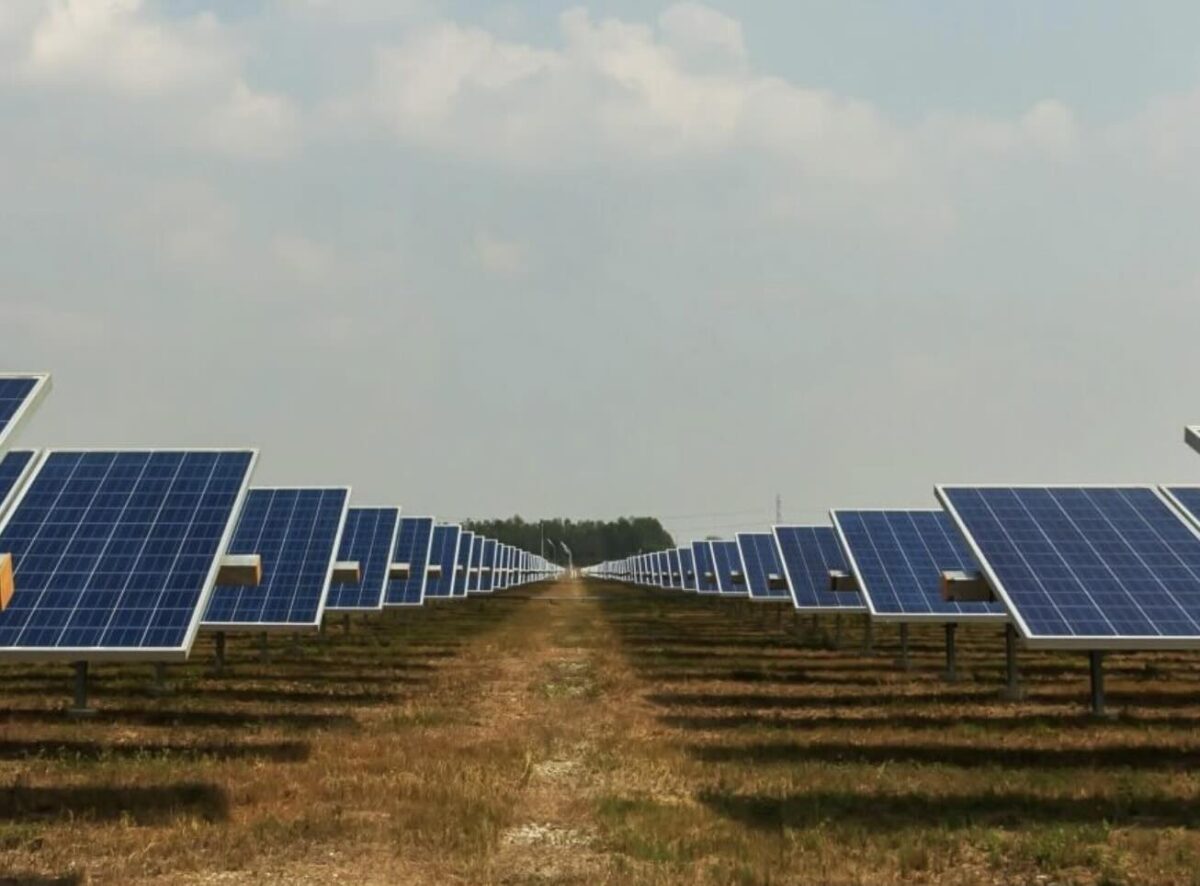
Aula Energy Proposes Five-Hour Battery for Wellington Solar Farm
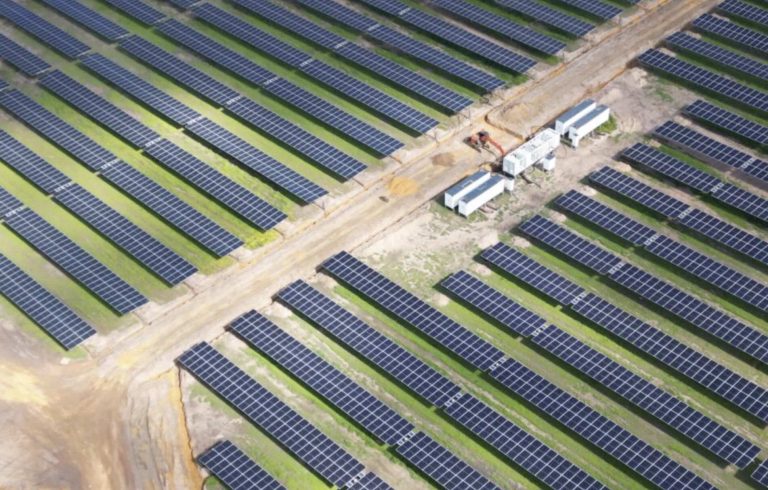
Aula Energy, the renewable energy subsidiary of Australian investment firm Macquarie, is seeking the go-ahead from the state to incorporate a five-hour battery system at its fully operational solar farm located in the Central West Orana region of New South Wales. The company asserts that this addition can comfortably fit within the existing approved area for the project.
In its application to the New South Wales planning authorities, Aula aims to revise the state development consent granted in 2021 for the 330 megawatt (MW) Wellington Solar Farm. This modification seeks permission for the construction, operation, and eventual decommissioning of a battery energy storage system (BESS).
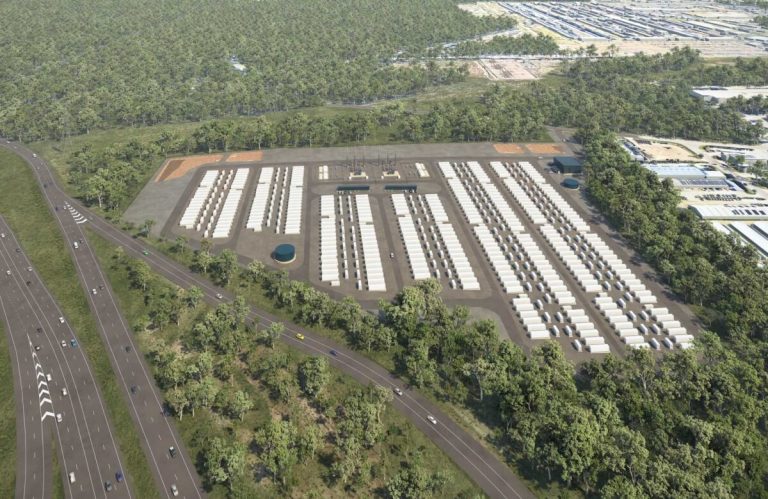
Details of the Proposed Battery Energy Storage System
The proposed storage system boasts a capacity of around 365 MW with an approximate duration of five hours, translating to a total installed capacity of 1.8 gigawatt hours (GWh). Aula estimates that this project will draw additional investment of around $350 million.
The integration of storage facilities at the Wellington solar farm, which has been operational since October 2024, is framed as a pivotal step towards transitioning to renewable energy sources while simultaneously addressing the pressing need to replace retiring coal-fired power stations, both nationwide and specifically in NSW.
Contributions to Energy Demand and Biodiversity
According to the planning documents, the Wellington North Solar Farm can generate enough clean energy to power approximately 142,356 Australian homes. The documents further explain how combining battery storage with solar energy can effectively tackle the inconsistent nature of renewable sources. The system stores extra energy when generation is high and releases it during peak demand, thus ensuring a reliable power supply.
Aula’s proposed modifications involve a “minor adjustment” to the already approved development footprint, which had initially factored in an indicative area for future battery infrastructure. This adjustment aims to accommodate the actual layout of the solar facility and the necessary underground cabling for the proposed BESS, and will not increase the overall approved footprint or alter environmental impacts when compared to the originally approved project.
Compensatory Measures and Biodiversity Considerations
The adjustment seeks to “slightly expand” the approved development area to fill a gap between the proposed BESS and the supporting substation. In compensation for this minor change, Aula plans to eliminate a similar area of approximately 0.2 hectares that was unaffected during the construction of the solar farm.
Both areas in question underwent prior biodiversity surveys during the solar farm’s assessment, revealing that they contain exotic grassland vegetation without habitat for threatened species. Hence, the plans argue that these areas are comparable in terms of biodiversity values.
Ownership and Portfolio Expansion
Aula acquired the Wellington North Solar Farm earlier this year as part of its purchase of Lightsource bp’s Australian solar and storage portfolio, which encompasses 1 gigawatt of operational photovoltaic projects with the possibility to install up to 800 megawatts of co-located large batteries.
In addition to Wellington North, this portfolio includes other solar projects at Wellington and West Wyalong in New South Wales, Wunghnu in Victoria, and Woolooga in Queensland, all featuring options to develop accompanying battery storage facilities.
This strategic inclusion of solar assets complements Aula’s portfolio, which predominantly consists of wind and battery projects, such as the Boulder Creek wind farm in Queensland and the Carmody’s Hill wind farm in South Australia, the latter achieving financial closure in the closing weeks of 2025 and also preparing to integrate battery storage.
Future Developments and Community Impact
In Western Australia, Aula is collaborating with Green Wind Renewables, based in Perth, to develop a series of large-scale wind farms totalling up to 2.4 gigawatts (GW).
The public consultation period for the state application to incorporate a battery into the Wellington North solar farm is set to close at the end of business on Wednesday, 7th October. Both the Wellington North and the adjacent Wellington solar farms have been successfully utilised for grazing merino sheep.
During the 2025-26 summer, the Wellington North project faced the challenge of a significant grass fire which temporarily halted operations for a day; however, it successfully resumed nearly full capacity within 24 hours.