Coal Mine Transformed into Solar and Pumped Hydro Energy Hub
New South Wales has officially sanctioned plans for Australia’s largest publicly traded coal miner to convert a retired mining site in the Hunter region into a renewable energy hub. This ambitious project aims to deliver 300 megawatts of energy over a 12-hour duration, harnessing a combination of pumped hydro and solar power technology.
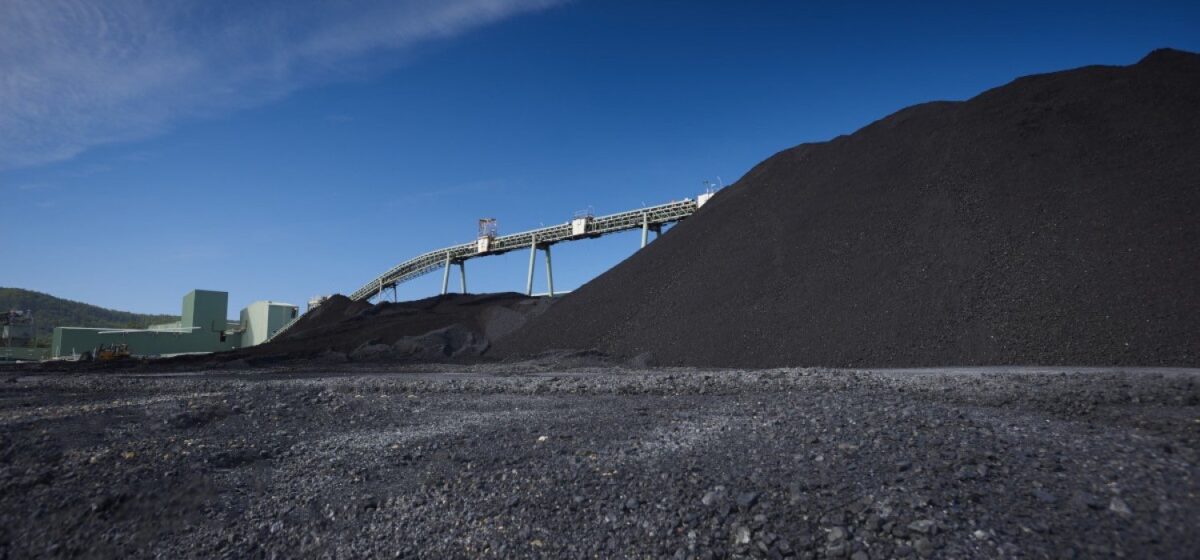
On Wednesday, NSW Planning Minister Paul Scully announced the green light for the $1.8 billion Stratford Pumped Hydro and Solar project located at Yancoal Australia’s Stratford Mining Complex (SMC), a former open-cut coal mine situated in the Gloucester Basin, just north of Newcastle.
Project Background and Approval
The concept of this project was initially introduced by Gloucester Coal, a subsidiary of Yancoal, back in 2024—the same year that mining operations at the Stratford site ceased. This development marks the first final planning approval for a pumped hydro project in New South Wales in six years.
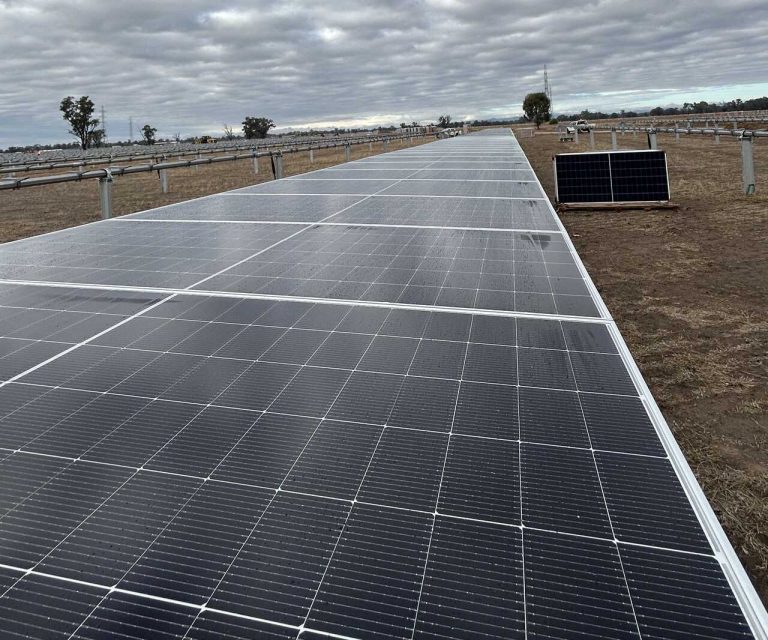
The facility will consist of 300 megawatts (MW) of pumped hydro energy storage, capable of providing up to 12 hours of energy storage or 400 MW over nine hours, depending on network capacity, as detailed in the Environmental Impact Statement (EIS). Additionally, the project includes a solar farm with a capacity of 320 MW.
Energy Generation and Storage Mechanism
To facilitate electricity production, water will be moved between a newly established upper reservoir and an existing dam, which will serve as the lower reservoir, through a tunnel system. Notably, the water for the upper reservoir will be sourced from the existing mine site.
The system will “firm” energy by storing excess electricity generated during daylight hours and releasing it during peak demand periods in the evening. It is anticipated that this project will contribute roughly 13 per cent towards the state’s long-duration energy storage target for 2034.
The pumped hydro energy storage component involves the building of the upper reservoir, a tunnel to connect the reservoir to the powerhouse, and a tailrace tunnel linking the powerhouse to the lower reservoir, which will be further developed from an existing dam.
Solar Influence and Grid Connection
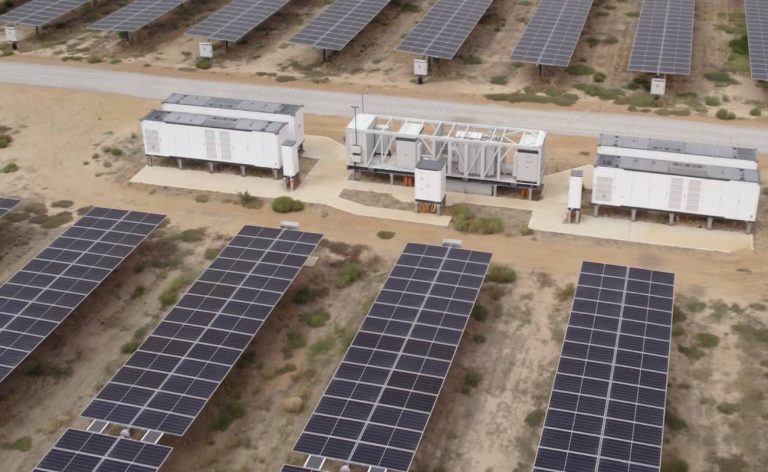
Moreover, the initiative includes the construction and operation of a “behind the meter” solar farm that will provide energy for the pumped hydro energy storage system, with the potential to export surplus electricity to the grid during periods of high solar production.
The project will also see the re-alignment of an existing 132 kilovolt (kV) electricity transmission line across previously disturbed areas of the mine, along with the establishment of an on-site electrical substation that will connect the pumped hydro and solar facilities to the grid.
Environmental Considerations and Local Benefits
The EIS highlights numerous advantages of the project site that help lessen environmental impacts. These include the ability to utilise and rehabilitate already disturbed areas, existing infrastructure, and water stored within the mine’s voids, in addition to its proximity to established transmission and transport routes.
According to the EIS, “In contrast to other proposed pumped hydro projects, this initiative combines solar generation and storage, enhancing renewable energy supply for the pumped hydro system and lessening dependence on imported grid electricity.” This integration is seen as a commercially promising opportunity for post-mining land use, offering sustained economic and social benefits to the local Gloucester community while aiding in the decarbonisation of the New South Wales electricity grid in the near future.
The project is projected to generate enough electricity to power around 140,000 households in New South Wales, while potentially preventing between 320,000 and 550,000 tonnes of carbon dioxide equivalent emissions annually, compared to gas-fired power production alternatives.
Minister Scully expressed optimism regarding the development, stating, “This is the first pumped hydro project to secure final planning approval in NSW in six years. It represents our commitment to a clean energy future, heralding a new era of job creation and energy production in the Hunter region to support homes and businesses.”
Scully added, “Initiatives like the Stratford Pumped Hydro project exemplify how we can repurpose former mining sites into new jobs and industries that will bolster the region’s economic growth for many years ahead.”
The Stratford solar and pumped hydro project is currently awaiting environmental approval from the federal government, progressing through the EPBC assessment process.