PM mandates data centres to source renewable energy, LNP poses challenge
Prime Minister Anthony Albanese has announced that developers of data centres will have a “legal obligation” to meet their own energy requirements by securing new renewable energy supplies. This marks the first substantial indication that the government’s “bring-your-own power” initiative is evolving from a mere suggestion to a regulatory requirement.
During a speech at the University of Sydney on Wednesday, Albanese introduced a new federal office dedicated to establishing standards and safeguards for Australia’s rapidly growing artificial intelligence (AI) industry. The aim is to encourage investment while mitigating potential social and economic repercussions.
Shaping Australia’s Future with AI
In his address, Albanese stated, “This is our time to decide what AI looks like here in Australia. It’s no longer a question of ‘if’ or ‘when’ AI will revolutionise our economy; we’ve moved beyond that. The pivotal question now is how we approach this transformation.” He emphasised the importance of Australia proactively shaping its future rather than allowing external forces to dictate it.
Data Centres: A Double-Edged Sword for Energy Supply
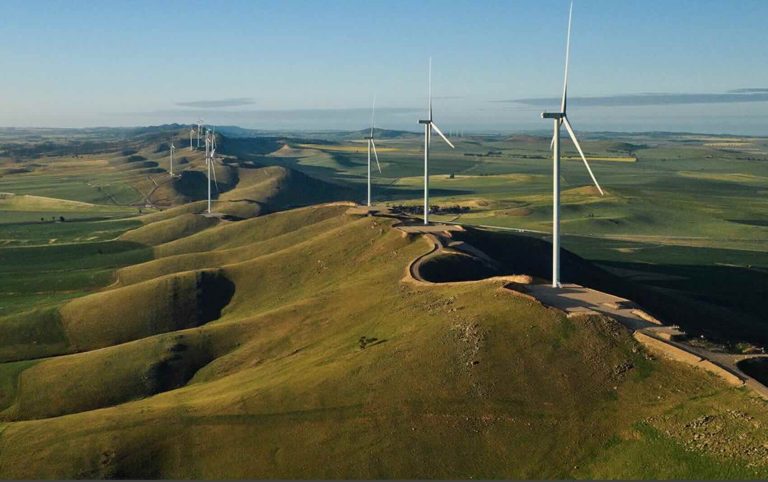
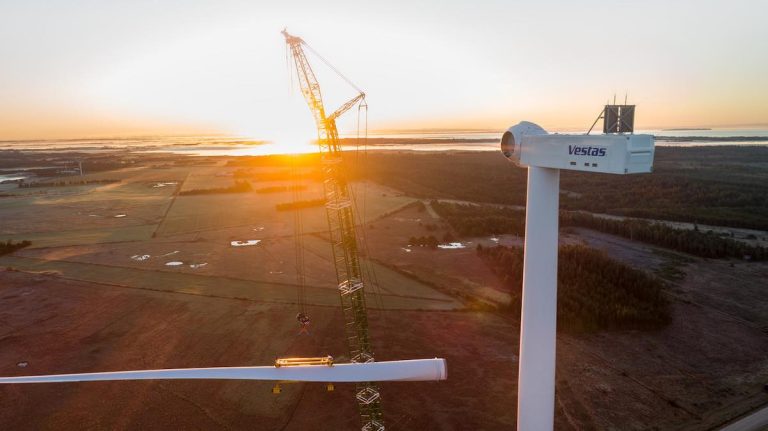
Data centres could play a vital role in Australia’s energy landscape by providing a consistent demand for renewable energy projects, particularly as numerous wind farm initiatives are stalled at the investment phase. However, there is growing apprehension that uncontrolled data centre expansion could exacerbate pressures on national power networks that are already struggling to adapt to the shift towards renewable energy, potentially resulting in higher electricity prices.
Moreover, concerns have been raised that developers might circumvent potential grid limitations by constructing new gas or diesel plants to support their operations, which would not only escalate gas consumption and costs but also lead to increased emissions.
In response to these issues, the federal government has proposed new guidelines aimed at preventing such negative outcomes, and they are now focused on solidifying these guidelines into enforceable rules.
Legislation on the Horizon
“We will legislate a commitment for large-scale data centres to underwrite new energy supplies,” Albanese stated. “They must cover their share of grid connection costs to prevent any burden on households and businesses. Additionally, they should contribute as much energy to the grid as they consume, effectively becoming net-generators instead of net-users.”
The new framework for AI and energy will be presented to state premiers and chief ministers during a national cabinet meeting next month, with intentions to introduce the legislation to Parliament early next year. However, the degree of support from all states and territories remains unclear, as does the necessity for unanimous backing to implement the new regulations.
State Responses and Concerns
During a recent meeting of state and territory energy ministers in May, Queensland did not endorse the National Data Centre Expectations proposed by the federal government, particularly the demand for developers to counterbalance their energy consumption with new renewable projects. A communiqué from the meeting indicated that representatives from all states, except Queensland, agreed that data centres should invest in additional renewable energy sources to fully offset their electricity requirements and offer flexible demand services.
It has been reported that Queensland has raised concerns regarding the cost of energy at which data centres are deemed viable in Australia, fearing that stringent rules surrounding renewable energy requirements might hinder investment.
According to the Climate Council, failing to gain Queensland’s support could halt progress, as collaboration between state and federal governments is essential for changes to energy market regulations. The Council expressed hope that the newly established Office of AI could find a solution in case unanimous agreement cannot be achieved.
Calls for Stricter Regulations from Greens and Advocates
The Australian Greens have also voiced their support for robust federal regulations and are advocating for a pause on any new data centre developments until such measures are established. Senator Sarah Hanson-Young, speaking on behalf of the Greens, described AI as a “new extractive industry,” warning that without proper regulations, major tech firms could exploit resources while leaving little benefit for Australians.
“We need to impose a moratorium on data centre construction until appropriate laws are in effect to manage their impact on energy, water usage, the environment, and local communities,” she stated. “While big tech firms may seek rapid expansion, we cannot compromise on the necessary safeguards. If we rush this process, it could have severe consequences for our energy grid, natural resources, and climate.”
Hanson-Young urged the Albanese government to demonstrate its commitment to prioritising the interests of Australian citizens above those of large AI companies.