Bowen Declares Coal Unreliable, Advocates for Data Centres in Renewable Energy Transition
Chris Bowen, the federal energy minister, has firmly dismissed suggestions to prolong the use of Australia’s ageing coal-fired power plants, highlighting an alarming trend where breakdowns have occurred every single day for the past three years. During a significant address at the National Press Club in Canberra, he proposed that data centres could potentially expedite stalled renewable energy initiatives and help the nation meet its 2030 renewable targets.
In his speech on Wednesday, Bowen outlined plans to prolong solar subsidies within the small-scale renewable energy scheme for systems up to 1 MW. He acknowledged the growing acceptance of the green energy transition among consumers due to the swift adoption of solar power, home batteries, and electric vehicles, which have recently garnered more than 20 per cent market share for the second month running in Australia.
The Challenge of Aging Coal Infrastructure
Bowen remarked that this shift is taking place despite facing a “wall of climate denial” propagated by various right-leaning opposition parties and prevalent misinformation circulating on mainstream and social media platforms. He noted, “Despite the loud attempts to disrupt the transition, the quiet majority of Australians are simply getting on with it.”
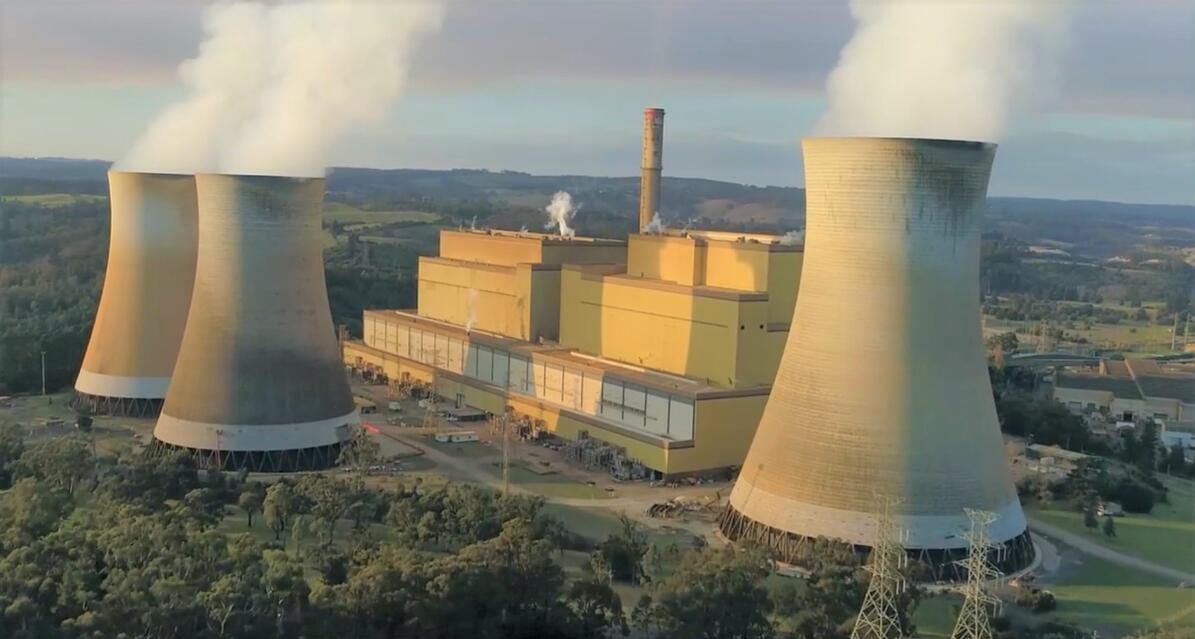
He expressed concern that the country’s coal-fired generators are becoming obsolete and less dependable. “Every single day for three consecutive years, there has been a coal outage somewhere in eastern Australia,” Bowen commented. “Coal no longer serves as reliable baseload power; it has become an unreliable asset. Each time a coal plant fails, it causes an increase in your electricity bills.”
Data Centres as a Renewable Energy Solution
The federal government faces the challenge of inadequate construction of new bulk energy sources from wind and solar to replace these ageing assets or to fulfil the ambitious goal of achieving 82 per cent renewable energy by 2030. Many industry experts advocate for established closure dates for coal plants, asserting that the ongoing reliance on coal—no matter how unreliable—does not send the right market signals. In the face of this, data centre developers are emerging as a potential solution, and Bowen is optimistic about their role in reaching renewable energy targets.
Together with various state ministers, Bowen has agreed on a strategy mandating data centres to contribute new and additional renewable energy supplies to the grid. He clarified that Power Purchase Agreements (PPAs) linked to wind and solar projects which have been provisionally supported by the Capacity Investment Scheme but not yet constructed would be regarded as additional energy supplies.
Commitment to Renewable Standards
However, Bowen issued a cautionary note that the federal government would employ “all its powers” to prevent a “race to the bottom”—a reference to the reluctance of the Queensland and Northern Territory governments to endorse the renewable energy commitment for data centres in favour of utilising fracked gas. “States and territories are welcome to impose more stringent requirements should they deem it necessary for their situations, but not to dilute existing standards,” he stated.
Upon being queried on how these powers would be enacted, Bowen indicated that their focus would primarily be on legislative measures, particularly if amending the National Electricity law proves impractical due to the necessity of unanimous agreement from all states and territories. “If a proposed data centre intends to rely solely on gas, it will fail to meet the minimum national standard, resulting in disqualification from registration and prohibition from proceeding. That is our expectation, and our forthcoming legislation will enforce that across the nation,” he affirmed.
Bowen has taken recommendations from the Australian Energy Market Commission regarding the enforcement of renewable energy use in data centres, suggesting the incorporation of Renewable Electricity Guarantee of Origin (REGOs) certificates. Furthermore, it has been advised that connection approvals encourage data centres to modify their demand patterns and co-locate with power generation facilities, relieving some of the strain on the existing energy network.