Are 10% of Solar Panels Really Broken? Insights from Industry Experts
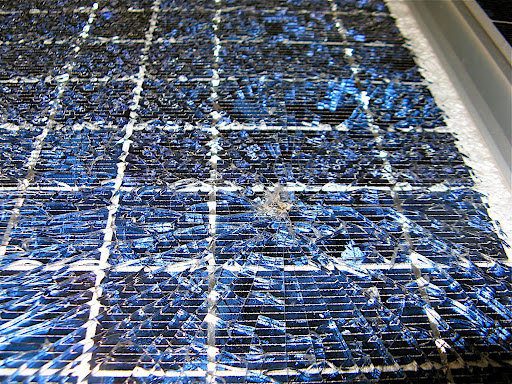
Is it true that around 10 per cent of solar panels arrive damaged? Industry experts caution that such a high loss rate would severely impact the solar sector, yet reports suggesting that a significant fraction of panels may indeed be defective are gaining traction.
This week, Richard Petterson, the head of Tindo Solar, reiterated this claim during a parliamentary hearing on the reuse and recycling of solar panels. He mentioned, “Anecdotal evidence suggests that about 10 per cent of panels may be rejected when companies conduct pre-installation tests,” a statement made amid broader discussions on prolonging the lifespan of solar panels.
Tracing the Origins of the Anecdote
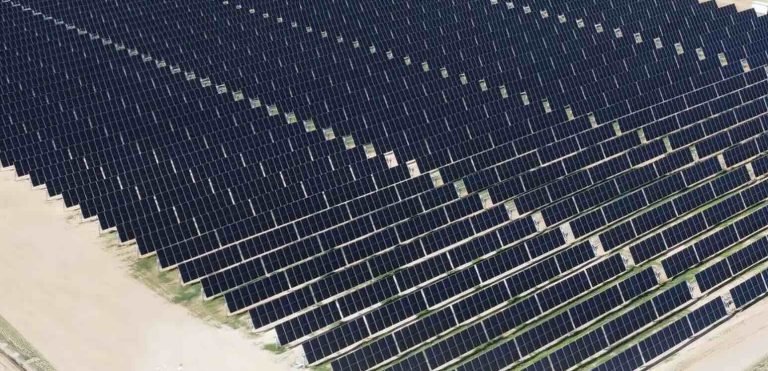
The notion of substantial damage to solar panels has circulated in social media, particularly among anti-renewable energy groups, with its roots tracing back to Muswellbrook in January 2025. At that time, the Mayor Jeff Drayton informed the Independent Planning Commission in New South Wales that industry professionals had cautioned that approximately 10 per cent of the panels for the 135-megawatt Muswellbrook solar project might arrive defective or damaged, either in transit or during installation.
This concern influenced the project’s approval, which included a mandate to swiftly remove waste from the site and ensure proper recycling or disposal of materials.
Experts Respond to the High Rejection Rates
Several industry specialists argue that such a high rejection or damage rate could cripple the solar industry. Huon Hoogesteger, managing director of Smart Commercial Energy, described it as “a horrific cost” that could devastate businesses in the sector. Hoogesteger anticipates losses of merely 1 per cent, predominantly due to local transit issues, asserting that comprehensive manufacturer testing makes defective panels exceedingly rare.
Data from the Smart Energy Council indicates a breakage rate of 1-3 per cent, a far cry from the 10 per cent threshold which would make any project unfeasible. Similarly, Thomas Bywater, the Australian director of solar manufacturer Aiko, remarked that the narrow profit margins in the solar industry cannot withstand a loss rate this high, citing his experience of around 50 panels breaking annually.
For large-scale projects, Aiko typically incorporates an additional 1 per cent buffer of extra panels, which can be held on-site to account for any operational breakages—again, definitely not 10 per cent, Bywater emphasised.
Understanding ‘Breakage’ in Solar Terms
The definition of what constitutes a ‘broken’ or rejected panel can vary significantly in utility solar projects, as contracts mandate specific efficiency and output standards. Michelle McCann, chief of PV Labs, pointed out that developers might discard a 500-watt panel if it can only deliver 480 watts for 30 years since it does not meet contractual stipulations.
Shifts Towards Better Testing Practices
In response to concerns over panel quality, many companies are beginning to implement improved testing procedures both prior to and immediately after installation, ensuring that manufacturers are informed of this scrutiny to avoid substandard products. Pressures in China, due to overproduction leading to a supply surplus and falling prices, have made it more likely that buyers may receive inferior goods.
No testers consulted by Renew Economy reported encountering a 10 per cent damage or rejection rate. However, they noted that developers who fail to communicate their intent to rigorously inspect incoming products are at increased risk of receiving inferior panels. “In a market where manufacturers are suffering significant losses due to oversupply, they may compromise on quality,” McCann explained. “However, developers engaging in pre-operational testing are finding this investment pays off quickly.”
While McCann acknowledged that a 10 per cent failure rate could be conceivable given current market conditions, she expressed disappointment at witnessing such rates in her professional activities.
Improved Incoming Goods Inspections Becoming Standard
Developers are becoming more proactive, with McCann noting that they are conducting more thorough inspections of incoming goods. “The optimal approach is a comprehensive pre-gate inspection before the equipment enters the project site, allowing developers to reject entire shipments if they do not meet quality standards. This is complemented by another inspection immediately after installation,” she detailed.