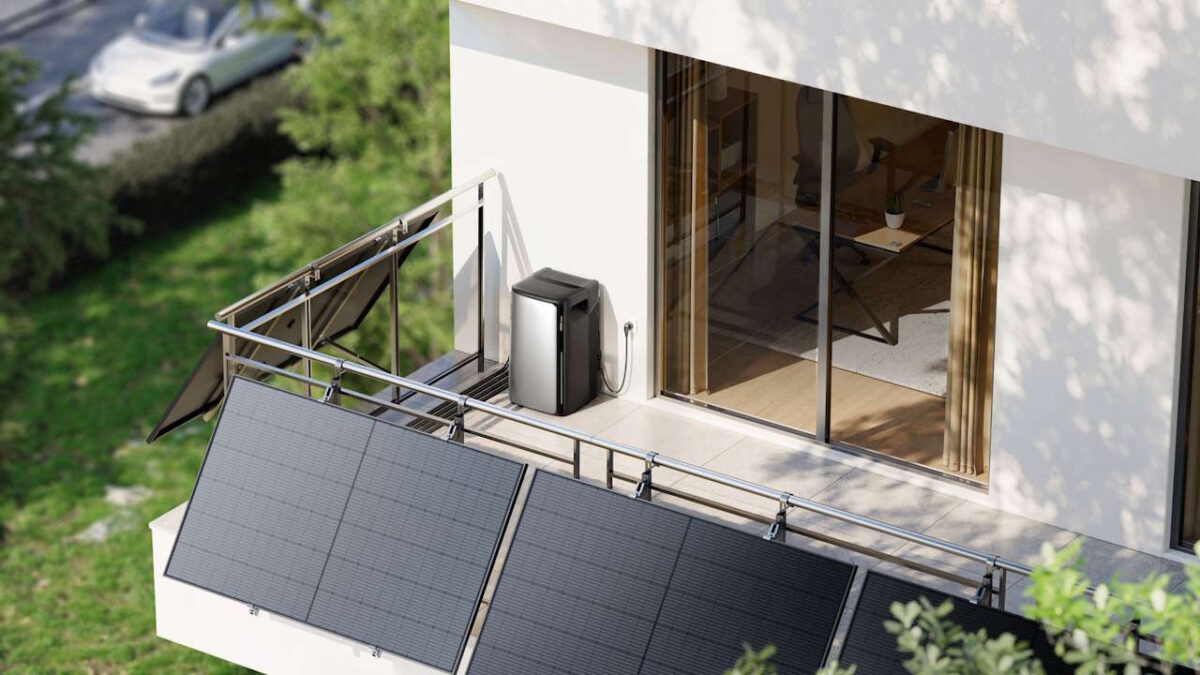
Australia Must Establish Plug-in Solar Regulations Quickly
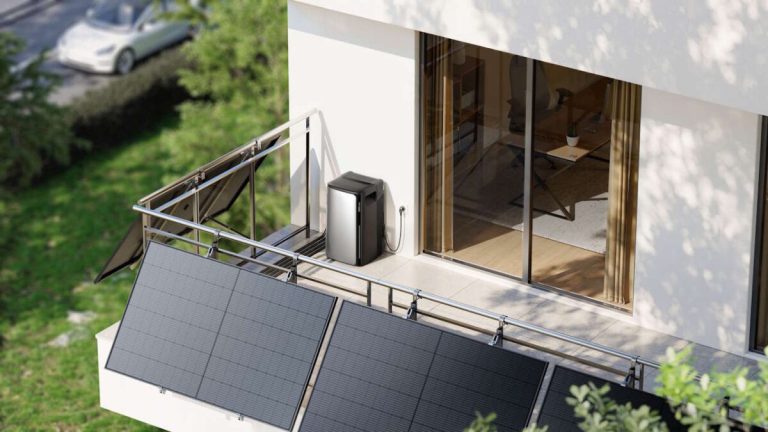
As of last Thursday, plug-in solar systems are officially legal in Great Britain, with New Zealand announcing similar plans to follow suit within the next year. Germany has long surpassed the installation of a million units and now boasts over three million. In stark contrast, Australians can purchase plug-in kits, yet legal issues prevent them from being plugged in.
In my role on two Standards Australia committees, namely EL-005, which focuses on battery regulations, and EL-042, which defines inverter and solar installation standards, I aim to clarify the real challenge we face concerning this technology, as it differs from popular assumptions.
Understanding the Regulatory Hurdles
The primary obstacle is not related to safety concerns regarding plug-in solar systems; rather, it lies in the lack of authority within the country to provide official approval. The intricacies are further complicated by several standards: AS/NZS 4777.1 describes a grid-connected inverter as part of the fixed installation wiring, demanding connection by a licensed electrician. Likewise, AS/NZS 5033 outlines similar stipulations for solar panels, while AS/NZS 3000 classifies socket outlets solely for power extraction, not input.
Moreover, the Clean Energy Council’s approved product list—crucial for networks and rebate eligibility—does not accommodate a plug-connected inverter, meaning compliant products can’t be recognised. Compounding these challenges are eight state and territory electrical safety regulators, each possessing distinct Acts, in addition to distribution networks with specific connection regulations. None of these organisations is positioned to take the initiative.
The Need for Regulatory Action
Standards Australia produces standards but does not have the authority to validate products legally. Meanwhile, the Clean Energy Council cannot list products without existing standards, and state regulators are unlikely to approve without such permissions. The networks maintain that they will connect any device that complies with AS/NZS 4777 and is listed by the Clean Energy Council, but this option is currently unfeasible. It’s become a situation where everyone is waiting for someone else to lead the way.
A pragmatic approach to this bureaucratic stalemate would involve energy ministers assigning responsibilities to the regulators with stringent deadlines, much like the UK has recently done.
Consumer Advocacy for Regulatory Change
Solar Citizens is spearheading an initiative to get plug-in solar regulation on the agenda for the upcoming Climate and Energy Ministerial Council, where state and territory energy ministers will convene on September 11. While the technical questions surrounding plug-in solar are legitimate, they are manageable, and many have already been addressed.
One such question concerns the nature of the socket. When a generator is unplugged, the pins can remain live if the inverter continues operation. The solution here is to mandate that the inverter must shut down within a second upon disconnection, alongside a compatible plug design. This requirement is both testable and has been subjected to testing.
Addressing Circuit and Anti-Islanding Issues
Another concern pertains to the circuit: a final subcircuit is typically safeguarded at 16 or 20 amps, with the breaker only detecting current from the switchboard. If power flows directly through the circuit, there’s a theoretical risk of overloading without tripping the breaker. Countries like Germany, as well as the UK, have approached this by limiting the output to 800 watts (roughly 3.5 amps), a figure low enough to negate risk on standard circuits. This means one kit per household effectively resolves the issue.
The third issue, anti-islanding, is the simplest to manage. Australian inverters have had this functionality for two decades, bolstered by a robust testing regime. Finally, metering is uniquely an Australian challenge, as many apartments still utilise outdated accumulation meters that either underbilled or misrepresented exports as consumption. This situation relates more to metering infrastructure than safety, and it shouldn’t impede progress on the other fronts.
Legal and Regulatory Recommendations
Additional complexities involve strata and tenancy laws that could inhibit access even after electrical regulations are addressed. Germany has effectively tackled this issue by stipulating that landlords and bodies corporate cannot unreasonably deny consent.
At present, the absence of plug-in solar regulations is causing its own set of problems. Kits are being sold across the nation, with people connecting them without any compliance specifications, output limitations, or testing protocols in place, leading to risky situations. Continuing with the status quo does not ensure safety; rather, it perpetuates uncertified hardware on Australian circuits devoid of established regulations.
The case for swift action is clear. A significant portion of Australians, over a third, either rent or reside in apartments, and for many, a plug-in solar unit may be their sole opportunity to access solar energy.
A small 800-watt system, whether on a balcony or in a garden, can yield around 1,000 kilowatt-hours annually in most locations, providing enough electricity to run essential appliances such as fridges and routers. At current rates, this equates to savings of approximately $300 to $400 on electricity bills. With an initial investment of around $1,000, such a kit can pay for itself in three years and continue to function for another two decades, readily transferable when moving homes.
Australia’s leadership in rooftop solar adoption stems from having established sensible regulations early on, allowing citizens to harness the benefits efficiently. The framework for successful plug-in solar implementation exists; we simply need to take decisive action.