AirTrunk Secures Renewable Energy Deal for Data Centre Expansion
AirTrunk has announced its intention to support new wind, solar, and battery projects in the Hunter region of New South Wales, highlighting that acquiring renewable energy sources is not as daunting as some data centre operators and politicians have suggested.
However, the agreement unveiled today remains largely aspirational, as the renewable and battery initiatives have yet to receive the necessary approvals, and funding from financiers is still pending.
Details of the Agreement
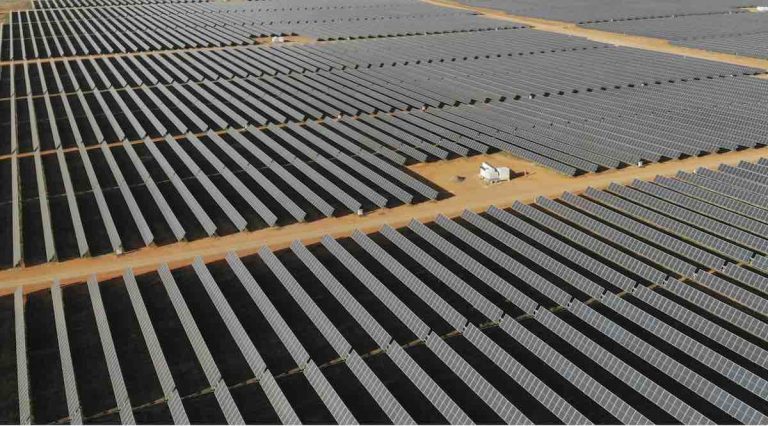
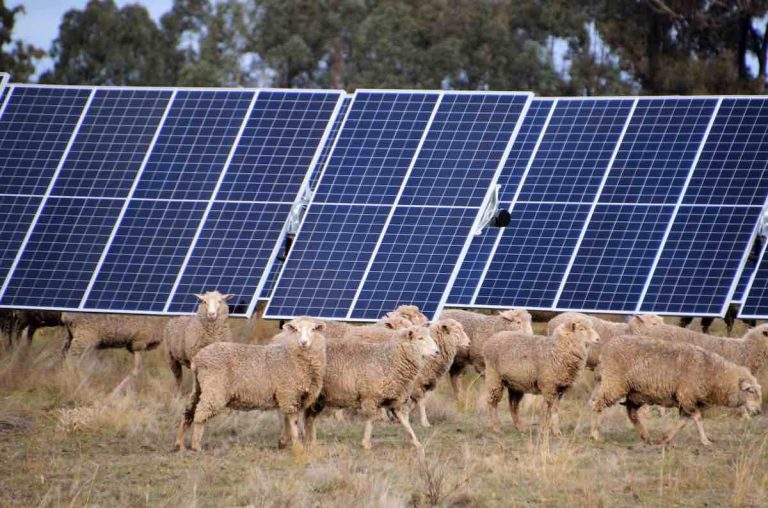
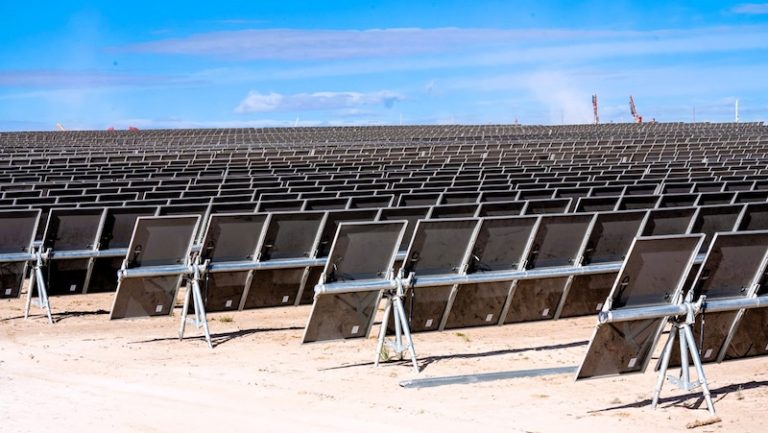
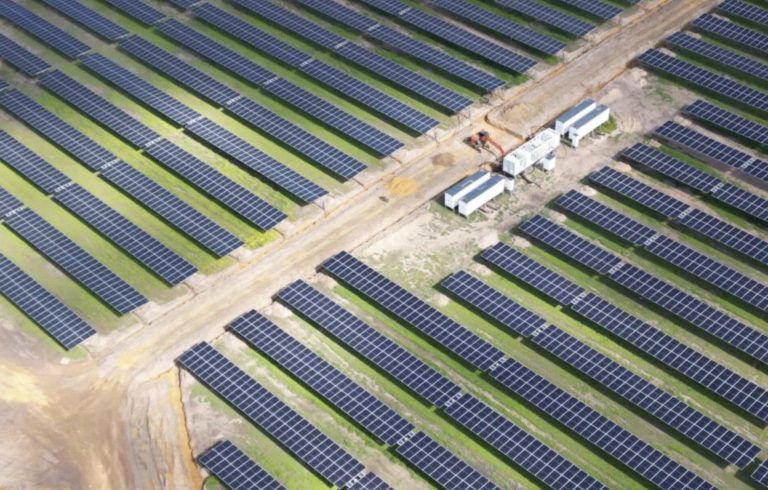
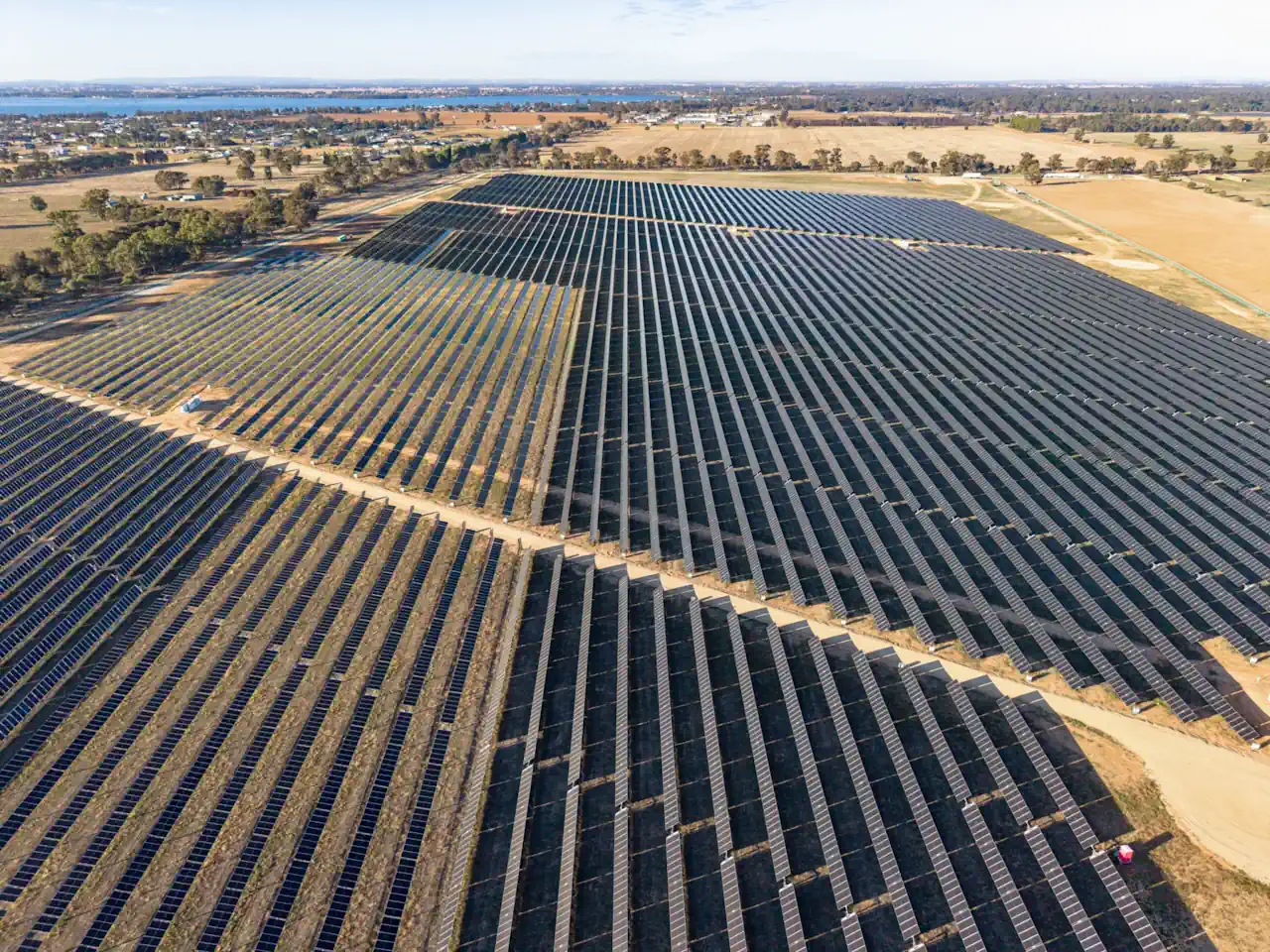
AirTrunk has entered into an exclusivity agreement with European Energy Australia for a substantial project that includes a 260-megawatt (MW) solar farm, a 350 MW wind farm, and a 600 MW, 800 megawatt-hour (MWh) battery facility in the Hunter-Central Coast renewable energy zone (REZ).
Discussions regarding a potential long-term power purchase agreement (PPA)—which is a crucial document for investors before they commit funds—are currently ongoing, according to statements released on Thursday.
Supporting Infrastructure for Data Centres
AirTrunk has already secured a PPA for a portion of the output from the 31 MW Mulwala solar farm, a completed and operational project located on the Victorian border of NSW, also owned by European Energy. The energy generated and stored from the three proposed projects is intended to support a new 550 MW data centre at the former Kurri Kurri smelter site, which is situated next to the controversial new Kurri Kurri gas-fired power station.
It is anticipated that the solar and battery projects will commence operations in 2030, while the wind project is expected to be up and running by 2032.
AirTrunk’s Commitment to Renewables
As one of Australia’s leading proponents of data centres, AirTrunk aims to offset all its energy usage with renewables by 2030. “Digital growth must bring new energy with it,” stated AirTrunk founder Robin Khuda.
He highlighted the rigorous expectations set by the Australian Government and the guidelines in New South Wales, considering the agreement as a critical move towards fulfilling that commitment.
Government Legislation and Industry Reactions
The federal government is consulting on legislation that will require data centres to source additional renewable energy to satisfy their energy needs, although there may be exemptions for states allowing power from gas or even coal.
In New South Wales, guidelines require data centres to self-finance the additional energy they require. Even though the current agreement is not a PPA, it is precisely what advocates for renewable energy have been longing for: a significant new customer to anchor their projects.
Concerns Over Gas Power
Many data centres, however, still favour gas as a reliable energy source. For instance, Cloud Carrier is reportedly claiming in court that it may place a planned 16 MW gas power station on hold if it can secure stable power through the grid, as reported by the ABC.
The Wingecarribee council has rejected the plan for the 16 MW gas power station, and the appeal is ongoing in the Land and Environment court. Additionally, the data centre developer has proposed an even larger 673 MW fossil gas generator.
Currently, the largest gas peaking facility in New South Wales is the 724 MW Colongra power station. Several other data centre projects have raised eyebrows for their commitment to gas despite promises of renewable energy.
Controversial Projects and Potential Environmental Impact
The Meridien data centre proposal located in Western Australia’s Kimberley region is planning to power its initial 240 MW stage entirely with gas and is developing gas peaking capacity that could enable the entire 1 gigawatt (GW) project to run on gas without the need for renewables initially.
While it claims to provide 6.7 GW of wind, solar, and battery power, these projects would not commence until the second stage begins in 2032, which means gas would predominantly supply electricity for several years while waiting for the renewable infrastructure to be erected—if the project moves forward at all.
Environmental advocates at Environs Kimberley are also expressing concerns that the data centre could create demand for a gas fracking operation owned by the same developer, Perth-based Longreach Capital.
Jop van Hattum, the CEO of Gingerah Energy, which is spearheading the Meridien data centre, has a history in the oil and gas sector, having formerly led a company called Theia Energy. Although Theia Energy’s website is no longer operational, its corporate structure remains active, with an annual fee of $53,000 paid for an active shale gas exploration licence in the Kimberley region.