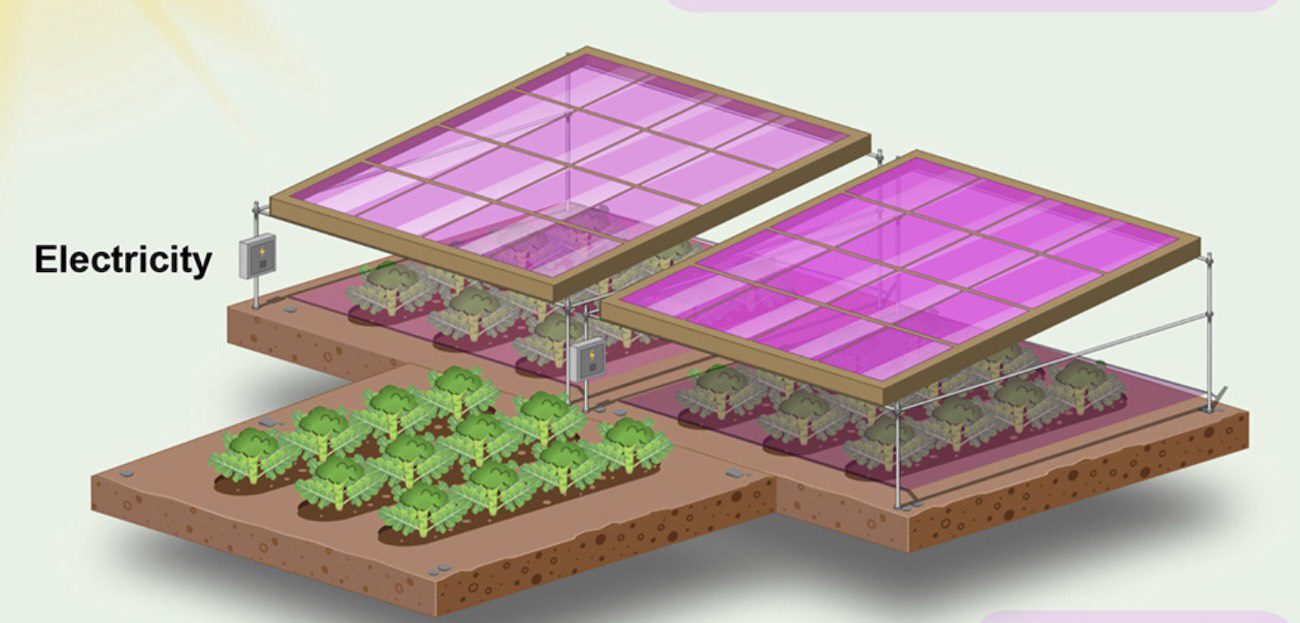
Broccoli Grown Under Magenta-Tinted Solar Panels Takes Longer to Mature
Research has revealed that broccoli cultivated beneath semi-transparent solar panels tinted magenta takes 30% longer to mature compared to those exposed to full sunlight; however, they achieve comparable growth size. This study, conducted in Europe amidst a rising political demand for dual land use, found that one hectare of integrated solar and horticulture can produce the equivalent amount of broccoli and electricity as 1.18 hectares dedicated solely to either broccoli or solar energy generation.
Despite a notable reduction in the amount of light, the systems studied supported fresh biomass production and maintained macronutrient concentrations similar to those found in full sunlight conditions, while also enhancing photosynthetic efficiency and radiation utilisation. The findings, published in the CellPress journal, offer compelling evidence for the potential of wavelength-selective photovoltaic technologies to co-produce food and electricity.
Potential for Better Results
The study indicated that results might have been more impressive had modern silicon photovoltaic cells been used instead of the outdated cadmium-telluride modules that were available to the research team at the time.
So far, solar developers have hesitated to implement true dual-use solar on a large scale. Standard models and equipment that don’t require adjustments to accommodate wildlife or be positioned higher for agricultural machinery tend to be more cost-effective.
However, in Europe, land scarcity coupled with activism is pushing for crops to grow under solar arrays, prompting German company Schletter to begin selling systems designed for both bovine and horticultural use that are elevated several metres off the ground.
The Shift in Solar Energy in Denmark
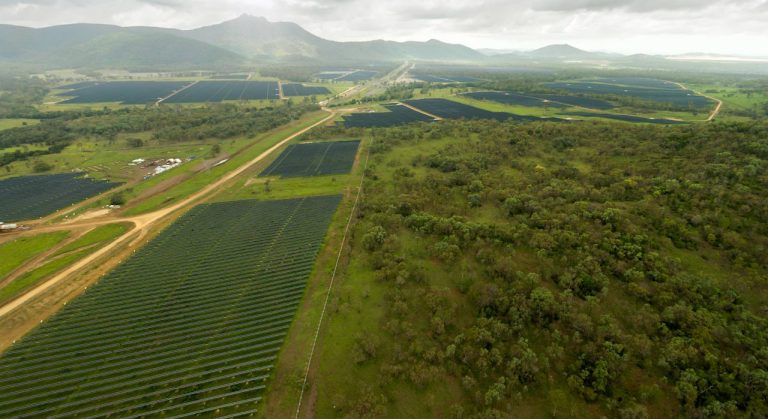
Denmark’s surge in solar energy production has risen from 4% to 13% of the national grid, turning into a political movement sparked by striking visuals such as a solar farm surrounding the community of Hjolderup in Jutland. Yet, despite the promising developments, there were some concerns raised by the Swedish and Italian research team led by Silvia Ma Lu from Mälardalen University.
The research noted that the solar-grown broccoli took an extra 25 days to reach full size and highlighted a significant decrease in micronutrient levels, while macronutrient levels remained stable. This decline was attributed to the reduced light exposure, alterations in the light spectrum reaching the plants, and the microclimate formed beneath the solar panels.
How Light Spectrum Affects Growth
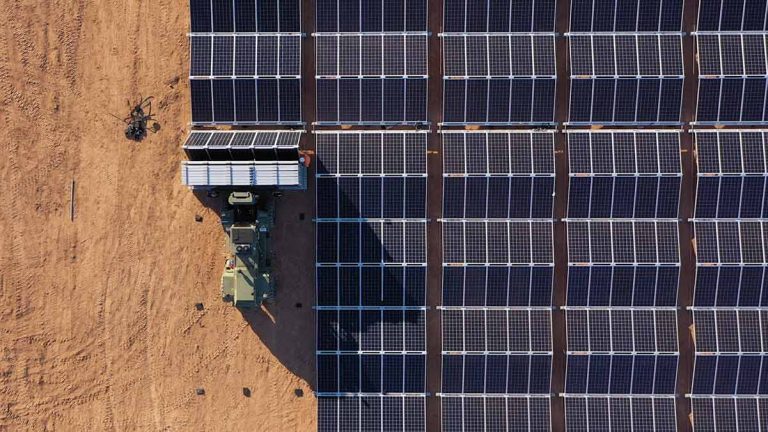
The cadmium-telluride panels were designed with gaps that allowed light to seep through, with some modules permitting 50% of light and others 70%. Additionally, a built-in magenta filter altered the wavelengths that eventually reached the broccoli. Interestingly, plants do not necessitate the complete spectrum of sunlight for optimal growth, as they primarily benefit from blue and red light during photosynthesis.
Excessively intense sunlight can lead to the overheating of plant cells, which either dissipates the energy as heat or may harm the plants if it occurs repeatedly.
Preferred technologies for such projects include organic PVs, dye-sensitised solar cells, perovskites, or silicon-based photovoltaic cells, which could have yielded even better results according to the study.
Commercial Ventures in Transparent Solar Applications
The idea of transparent solar panels is gradually finding its way into commercial use. For instance, the Australian horticulture solar firm Storm Safe Solutions is exploring options with a panel manufacturer for a design that allows red light wavelengths to pass through, though specifics of these discussions remain confidential.
Rosie Oldfield, co-founder of the company, mentioned they have a potential client in South Australia’s wine industry interested in using solar shading to shield grapes from the harsh Australian sun.
Moreover, Charles Sturt University is experimenting with a design similar to that of the European study, incorporating gaps between opaque modules to facilitate light penetration.
Combining Output from Solar and Crop Production
The organic research farm Kärrbo Prästgård in Sweden showcased broccoli that was more efficient in utilising the light passing through the solar module grid. Performance in power output was equally significant.
The study focused on modules that allowed 50% of light to pass through, estimating their installed capacity at 1.1 kilowatt peak (kWp) and projecting they generated around 447.6 kilowatt-hours (kWh) of power during a trial phase running from June to October, achieving a power conversion efficiency of 7.2%.
Overall, while the site equipped with the 50% transparency system produced marginally less broccoli and power than an open-field or full solar panel setup, when combined, their overall output surpassed the individual contributions.
For the 50% system, there was an average yield of 0.54 tonnes of dry mass per hectare, compared to 0.66 tonnes in an unobstructed field. If stretched over a hectare, this solar arrangement would generate approximately 224.7 megawatt-hours (MWh) throughout the cultivation phase, contrasting with 325.2 MWh from a full solar site.
This results in a land equivalent ratio—the capability of the land to produce crops and generate solar energy in comparison to focusing solely on one of these activities—of 1.18. “This figure illustrates that if the wavelength-selective photovoltaic system maintains crop yield, the additional electricity generated is still highly beneficial to the combined agri-photovoltaic system,” explained Ma Lu along with her co-authors.