Queensland Grid Achieves 80% Renewable Energy for First Time
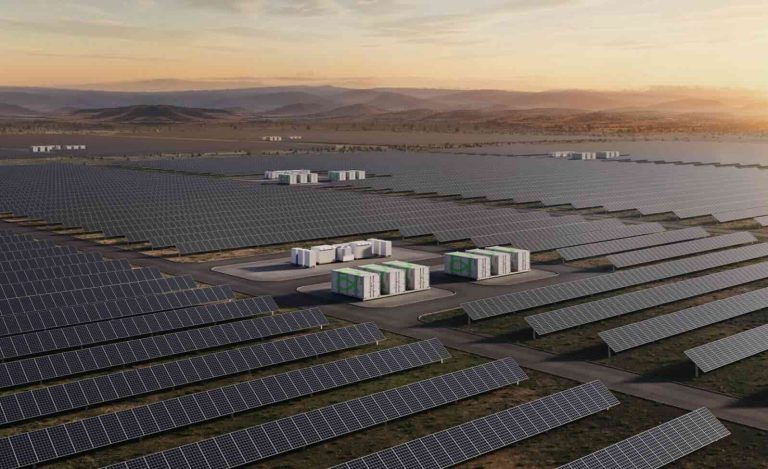
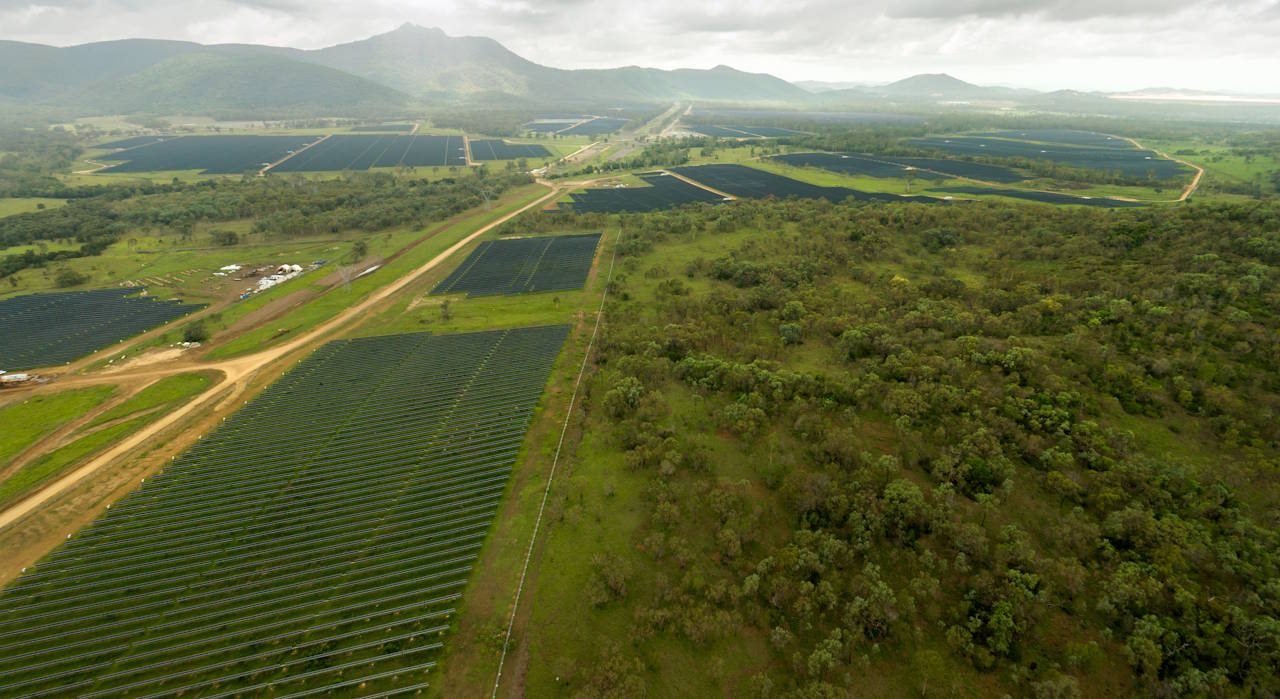
For the first time ever, the Queensland energy grid, Australia’s most coal-dependent state, has reached a remarkable 80% share of renewables. This significant milestone was recorded at 11:20 am on Monday, as reported by GPE NEMLog, and was largely attributed to solar energy, with rooftop installations contributing over 4 gigawatts (GW), along with an additional 3 GW from large-scale solar projects. Wind energy added nearly 500 megawatts (MW) to the mix, while hydro also made a modest input.
This new achievement surpasses the previous record of 77.2% set back in August of the prior year. Throughout the last 12 months, coal has still represented a hefty 62% of Queensland’s energy consumption, firmly establishing the state’s reliance on fossil fuels. Despite this, the LNP government has dismantled the state’s renewable energy targets and has plans to continue utilising coal for at least the next two decades.
Growth of Renewable Projects
Notably, the upward trend in renewable energy is propelled by several new initiatives that commenced construction under the previous Labour government, such as the MacIntyre, Clarke Creek, and Wambo wind farms. A series of significant wind, solar, and hybrid developments are also anticipated to emerge, aimed at supplying green energy to the major smelters and refineries in Gladstone, where reliance on coal will diminish as the local coal-fired generator is scheduled for closure by the decade’s end.
Challenges for Future Projects
Looking ahead, the future for other large-scale renewable projects appears uncertain. The state planning minister has “called in” previously sanctioned projects, and the energy roadmap laid out by the state anticipates minimal new developments in the coming years as funding is diverted towards the upkeep of coal plants and the implementation of new gas-fired generators.
Nevertheless, there is still a surge in the adoption of rooftop solar and home battery systems by households and businesses alike, which is contributing to an increasingly pronounced solar “duck-curve” during midday hours. The state is also witnessing the development of grid-scale batteries at an impressive rate.
Record Battery Storage in NSW
In contrast, New South Wales holds a slight advantage in coal capacity, although it has a smaller generation share compared to Queensland. Recently, NSW has set new records for battery storage as well, with total battery discharge exceeding 1 gigawatt for the first time, peaking at 1,040.5 MW at 6:20 pm on Monday, according to GPE NEMLog. Additionally, battery charging broke the gigawatt barrier this week, reaching a new high of 1,165 MW at 11:20 am on Sunday.