Western Australia’s Simplified ESEM to Achieve 75% Renewable Energy by 2030
The government of Western Australia is set to unveil a “simplified” version of its proposed market design aimed at achieving a significant increase in renewable energy, as it prepares for its transition away from coal. This initiative is a crucial part of the state’s ambitious goal to reach 75 per cent renewable energy by the financial year 2030/31, effectively nearly doubling its renewable energy capacity within five years.
On Tuesday, the government officially announced this landmark renewable energy target, generating optimism about the mechanisms that will support its realisation. Reports indicate that details surrounding a new Renewable Energy Mechanism are expected to be revealed shortly. This mechanism has been described as a simplified alternative to the Electricity Services Entry Mechanism (ESEM), which is intended to bolster future investments in the state’s primary energy grid.
Renewable Energy Developments and Investments
Western Australia is currently experiencing a surge of activity in renewable energy, particularly in wind power and battery storage. Recent developments include five wind farms that have achieved financial clearance and commenced construction, with the 550 MW Marri wind project anticipating approval in the near future. These projects are mainly backed by state-owned utilities, such as Synergy and Water Corporation, which, according to Energy Minister Amber-Jade Sanderson, should enable the state to reach approximately 60 per cent renewable capacity and accommodate the closure of the Collie coal-fired power station in late 2027.
However, more renewable projects will be essential to account for the closure of the Muja coal-fired generator in 2029, which is the last of the state-owned coal-fired generators, alongside the anticipated closure of the struggling Bluewaters generator, the only privately-owned coal generator in the region.
Capacity Needs to Meet Transition Goals
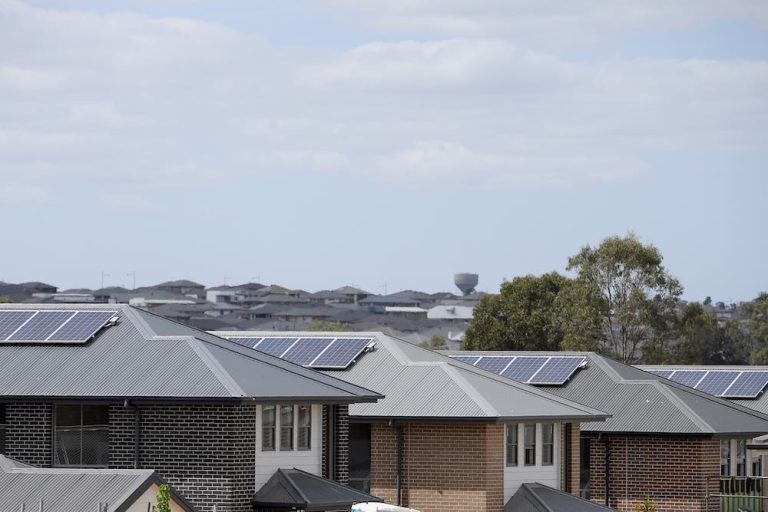
Official estimates from Western Australia suggest that around 4,000 MW of new energy capacity—incorporating rooftop solar—is necessary to achieve the 75 per cent renewable energy target. This projection also considers an expected increase in demand owing to the rising popularity of electric vehicles, the electrification of homes, and the establishment of new green industries, such as the planned Generation Steel mill in Collie.
The emphasis is now shifting toward attracting private investment and signalling to the market rather than relying solely on government intervention, which, although proven effective so far, may not suffice for future goals.
Affordable Energy Initiatives and Future Outlook
This renewable energy target forms a vital component of what the state government labels its “affordable energy plan.” This plan encompasses further advances in electrification, consumer energy resources, and aims to be the first jurisdiction to approve modern solar and battery systems, including “balcony” or plug-in models.
Premier Roger Cook underlines the importance of providing affordable energy to businesses as part of the government’s strategic objectives to diversify WA’s economy and generate more jobs. He asserts, “Any WA household with solar panels or batteries will testify that solar energy is the most economical option available. Without this comprehensive plan, we would remain dependent on ageing coal-fired power stations, which is not a sustainable future.”
Nonetheless, concerns are emerging regarding an inclination towards gas, notably with plans for what could become the largest gas generator in the state—the 870 MW Keralup energy hub.