Solar Power: The Fastest Shift in Electricity Generation History
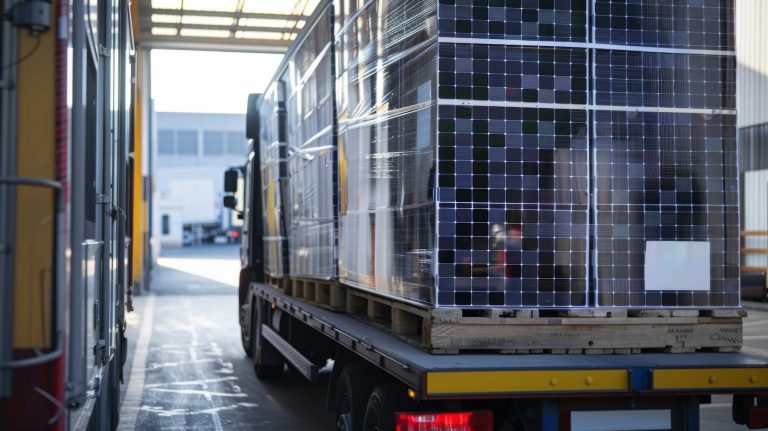
The cost of solar energy is not just decreasing; it’s plummeting dramatically along a learning curve that has remained consistent for the last fifty years, with prices for solar modules falling nearly ten thousand times as overall capacity has surged.
This is the first key takeaway: we are witnessing a technology whose expenses continue to diminish in a predictable manner as its deployment escalates, with each new gigawatt produced making subsequent ones even cheaper.
The Speed of Change
The second crucial point centres on the pace of this evolution. When we compare the years when major energy sources first surpassed significant production milestones – 100 TWh – solar and wind are currently outpacing coal, gas, hydro, and nuclear energy. Although nuclear once exhibited rapid growth, it has since stagnated, while wind energy continues to thrive.
Batteries, too, are experiencing a steep climb from their own starting point of 100 TWh.
A Historic Shift in Energy Production
This transition marks the quickest evolution in electricity generation that history has witnessed, and it’s showing no signs of slowing down.
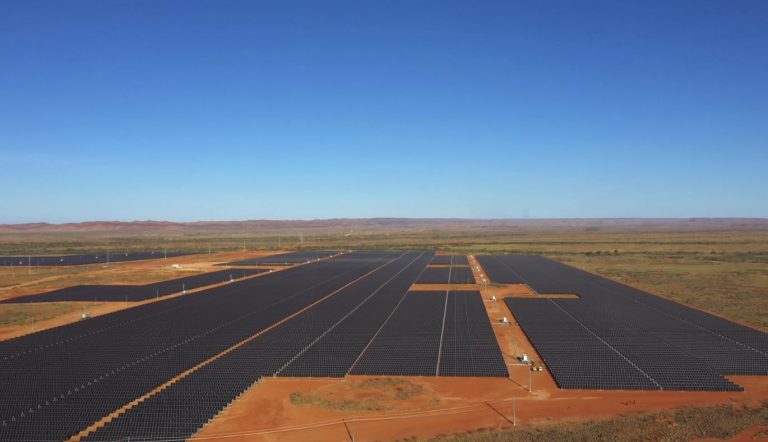
The third point to consider is the trajectory of this transformation. According to the Future Smart Strategies model, when we look at current trends, solar, wind, and battery storage could combine to account for approximately 80 per cent of global electricity by 2035, relegating coal, oil, and gas to secondary roles within the energy system.
Challenging Mainstream Projections
However, conventional forecasts, such as BNEF’s 2026 New Energy Outlook, often suggest that this trend will conveniently slow down as it progresses, despite the fact that every prediction calling for a deceleration since 2015 has proven incorrect, and all retrospective analyses have had to revise growth figures upwards rather than downwards.
The rapid acceleration of both solar energy and batteries is undeniable.
There is no indication in price trends or deployment rates that the energy transition is about to slow down.
Therefore, when using our Future Smart global growth model, the pertinent question is not why this transition is happening so rapidly, but rather why it would ever slow down.
Ray Wills
Ray Wills serves as the managing director of Future Smart Strategies, proudly claiming to be the world’s least inaccurate futurist.