Renewables Project Canceled as Council Reassesses Wind and Battery Plans
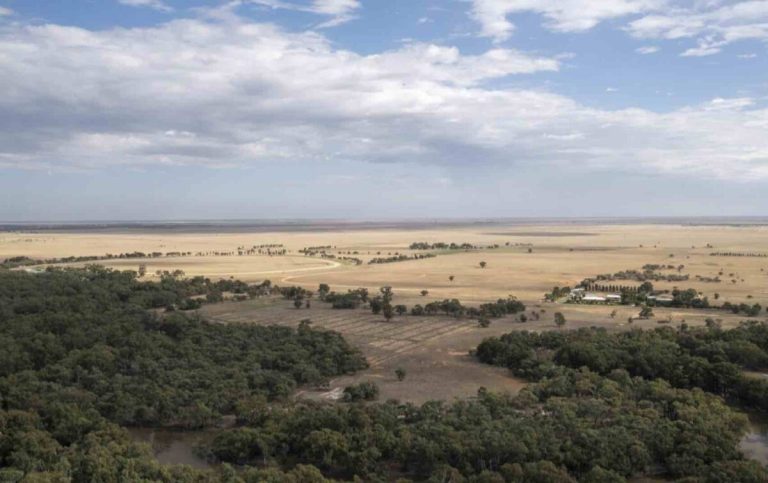
A significant energy project involving wind, solar, and battery initiatives has been withdrawn from the New England area in northern New South Wales. This comes as another substantial wind and battery proposal undergoes an independent review, while the local council indicates a potential shift from its previous neutral position.
TagEnergy, the Portuguese developer and primary owner of Australia’s largest wind farm at Golden Plains, Victoria, has opted to retract its plans for the Salisbury Energy Hub, citing commercial concerns as the primary factor behind this decision.
Details of the Abandoned Salisbury Energy Hub
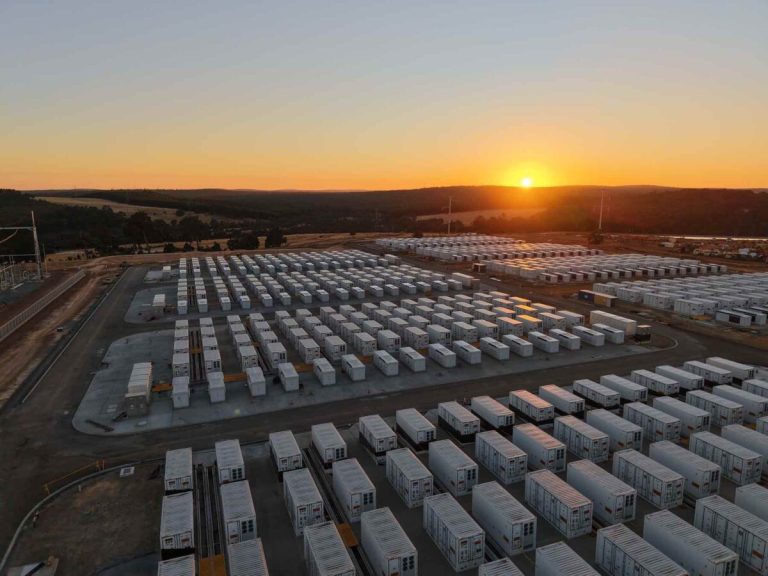
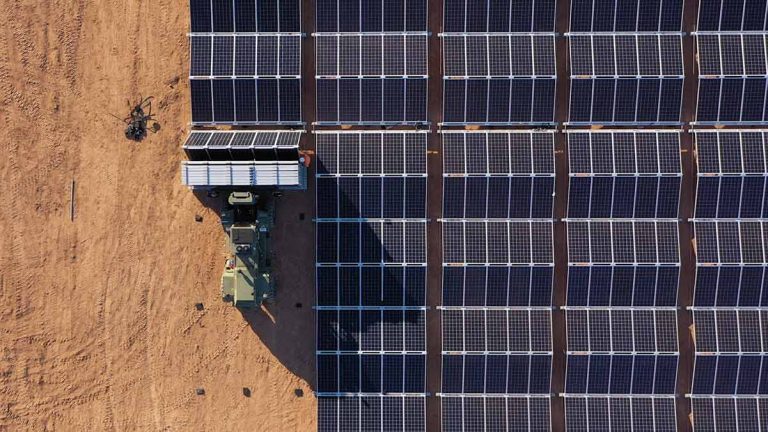
The planned Hillview project was set to integrate up to 300 megawatts (MW) of wind energy, alongside an additional 300 MW of solar power and a significant battery capable of storing 1,000 MW and 4,000 MWh. This facility was to be situated near Uralla and had initially been developed by Ace Power before being acquired by TagEnergy last year.
In a statement on the project’s website, TagEnergy conveyed, “The company has made the tough choice to halt the development of the Hillview Energy Hub.” The firm continued, “After a thorough assessment of the project, encompassing factors such as wind resources and overall commercial viability, TagEnergy has concluded that it does not satisfy our investment criteria at this time.” The company expressed gratitude to landowners, local communities, partners, and stakeholders for their support thus far.
Concerns Over Rising Costs and Local Opposition
This marks the fourth project cancellation in the New England region over the past five months, attributed to escalating construction costs, transmission issues, and local opposition led by former Deputy Prime Minister Barnaby Joyce, now representing One Nation.
In recent developments, Origin Energy abandoned its plans for the proposed 870 MW Skye Ridge wind project near Walcha last month. In July, Squadron Energy also ceased efforts for the 426 MW Boorolong wind project near Armidale, while Alinta withdrew from the planned 900 MW, eight-hour Ovens Mountain pumped hydro project.
Another significant initiative, the 700 MW Winterbourne wind farm, which includes a 100 MW and 200 MWh battery proposed by the Danish firm Vestas, is under heightened scrutiny following its referral to the Independent Planning Commission (IPC). The IPC is preparing to conduct public hearings in December and is currently welcoming additional submissions.
Walcha Council’s Changing Stance on Winterbourne Project
Local reports have emerged indicating that the Walcha council is reconsidering its previously neutral stance on the Winterbourne project due to frustrations over ignored advice and requests regarding transport issues.
The New England Times noted that while the council had opted to remain neutral during its October 30 meeting, a motion has since been introduced to reverse this stance at their next meeting on December 9, just days before the IPC hearing.
This neutral position was originally part of efforts by the former council to reduce community tensions, but recent changes, including the resignation of council member Adam Iuston, have shifted the council’s dynamics, now largely influenced by anti-renewables advocates.
According to the council, its objections concerning road infrastructure have been inadequately addressed by the NSW Department of Planning, Housing and Infrastructure (DPHI), particularly regarding anxiety over potential delays on Thunderbolts Way, which could exceed the previously acknowledged 10-minute wait time.
Councillor Concerns and Future Directions
Road infrastructure remains a pressing issue for regional councils; for instance, Balranald in the state’s south-west has raised concerns regarding the potential impact of wind projects on its “grey nomad” tourism trade should caravaners be directed to less busy routes.
At a council meeting on Wednesday, General Manager Stephen Parry remarked that the referral to the IPC was made without prior consultation with the council, noting, “It appears many of the road improvements we requested were not incorporated into the draft consent conditions.”
Deputy Mayor Rachel Greig has called on the council to formally oppose the Winterbourne development, pointing out that prior requests for a bond, road repairs to specified standards, and restrictions on turbine placements near the town have been unaddressed. “The council initially opted for neutrality without reviewing the Environmental Impact Statement, hence they didn’t examine the project before deciding on their stance,” Greig stated, emphasising the pressing need for the council to now reconsider their position given the associated risks.
At present, only one wind farm, located at Uungula in the central west, is actively under construction in NSW, despite the looming closure of several ageing coal-fired power stations.