Renewables and Batteries Enhance Grid Reliability, Timely Construction Crucial, AEMO Reports
The Australian Energy Market Operator (AEMO) has indicated that the immediate risks to the dependability of Australia’s main electricity grid have been postponed until the next decade, as long as new renewable energy and storage solutions are delivered promptly.
A year ago, AEMO’s Electricity Statement of Opportunity (ESOO) warned of potential reliability issues in various regions of the National Electricity Market (NEM) beginning in the current financial year. However, the latest ESOO for 2026 reveals that the NEM has a more robust pipeline of grid-scale generation and storage than seen in recent years, ensuring reliability up to 2033-34 in New South Wales, South Australia, and Victoria, with Tasmania expected to maintain stability until the following year.
Challenges Ahead for Energy Reliability
Despite this optimistic forecast, AEMO cautions that maintaining reliability amidst increasing demand and the gradual phasing out of coal-fired power is contingent upon timely implementation, operational availability, and the capacity of resources to provide electricity during prolonged periods of strain on the system. To address this uncertainty, AEMO introduced an additional reliability assessment, known as “Committed and Anticipated Developments,” to account for projects with varying delivery assurances.
This adjustment indicates that the reliability benchmarks could be surpassed in New South Wales and Victoria as early as 2030-31, with South Australia expected to face breaches in 2031-32, Queensland the following year, and Tasmania in 2033-34.
Focus on Closing Reliability Gaps
The primary aim of these assessments is to pinpoint when the grid will face the most significant stresses each year, thus guiding governments, developers, and regulators in their efforts to minimise the risk of power shortages or blackouts. Commentators in the media often interpret these reliability assessments to mean that certain regions could experience blackouts by given deadlines.
AEMO’s CEO, Daniel Westerman, expressed that this year’s ESOO reflects a more favourable outlook for energy reliability, attributing this to unprecedented levels of new generation and storage. Nevertheless, persistent investment in new generation facilities is essential to meet rising power demands and to bridge the gaps as older fossil-fuel power stations retire.
The Shift in Power Generation
Westerman noted that there are 15 gigawatts of coal and gas generation plants scheduled to retire in the next decade, while electricity consumption is expected to surge by over 40% as various sectors, including households, businesses, and data centres, increasingly rely on electrification.
AEMO is witnessing a notable increase in data centre investments, with some discussions involving facilities demanding as much as 13 gigawatts connecting to the grid—surpassing the current average daily power requirement for the entire state.
A Positive Trend in New Energy Projects
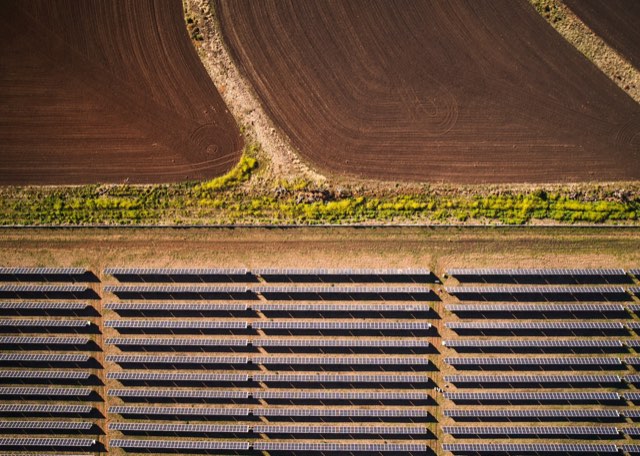
Encouraging data shows that a record 9.1 gigawatts of new generation and storage were integrated into the grid in the past financial year—double the amount added in 2024-25. Additionally, the pipeline of “committed and anticipated projects” has grown by approximately 24 gigawatts to a total of 40 gigawatts expected by the early 2030s.
Federal Climate Change and Energy Minister Chris Bowen commented on these developments, stating, “This is indicative of a successful energy transition, with historically high levels of new generation and storage being connected, thereby bolstering reliability as we approach the scheduled retirement of ageing coal-fired plants.”
Future Initiatives and Challenges
Bowen highlighted various initiatives like the Capacity Investment Scheme, improvements in delayed transmission infrastructure, and the rollout of over 500,000 affordable home batteries, aiming to provide the necessary power to keep the lights on while also exerting downward pressure on energy prices. He reiterated that while there is still plenty of work to be done, the current pipeline looks robust, and reliability is on the rise.
However, potential changes in governance, especially with elections approaching in Victoria and New South Wales, pose uncertainties for major transmission projects. A shift to a Coalition government in Victoria could lead to a cancellation of the VNI West transmission line, while a similar outcome in New South Wales, albeit less likely according to recent polls, would endanger plans for the state’s largest renewable energy zone in New England.
Continued Reliance on Renewable Energy
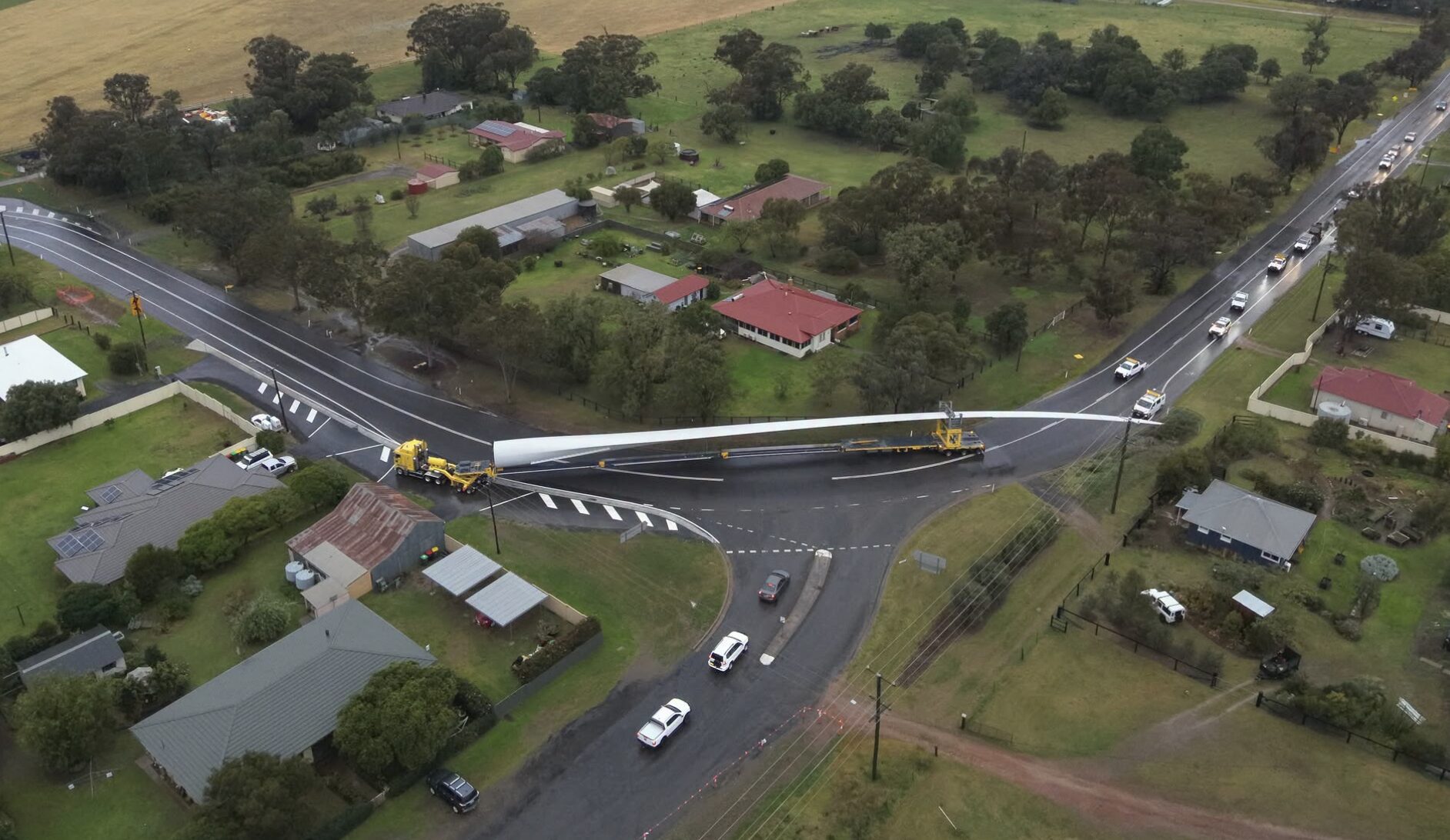
According to AEMO, projects like the VNI West and New England REZ Network Infrastructure are crucial as part of its 2026 grid strategy. The annual review also retained its projection for the Snowy 2.0 pumped hydro project to become operational by late 2028, even amidst ongoing delays concerning a comprehensive cost assessment.
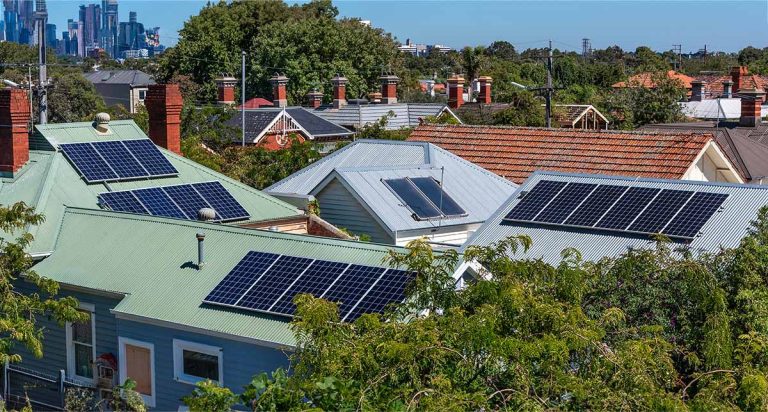
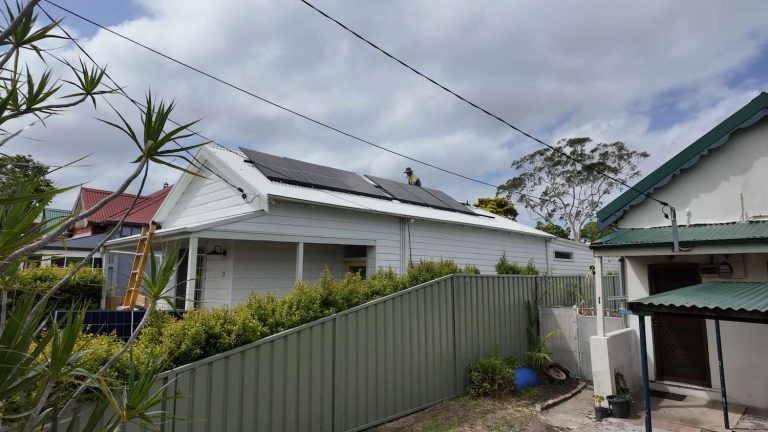
Furthermore, consumer energy resources are increasingly pivotal in meeting both near and long-term demand, with households investing in their own electricity solutions through distributed photovoltaic systems and improving energy efficiency. AEMO’s report suggests that increasing rooftop solar installations are significantly mitigating operational demand from residential consumers.
The Rise of Energy Storage Solutions
The proliferation of storage solutions, notably at the consumer level, has significantly transformed the energy landscape over the preceding year, prompting discussions on market redesign. The ESOO report indicates that for each megawatt of new solar capacity installed on rooftops, approximately 2.5 megawatts and nearly 8 megawatt-hours of consumer battery capacity have followed suit.
When effectively coordinated, especially via virtual power plant arrangements facilitated by retailers or independent aggregators, these developments could reduce the necessity for utility-scale investments, as highlighted in the 2026 ISP report. Nonetheless, the degree of coordination among virtual power plants remains uncertain, with only an estimated 14% of batteries currently engaged in such arrangements across the NEM.