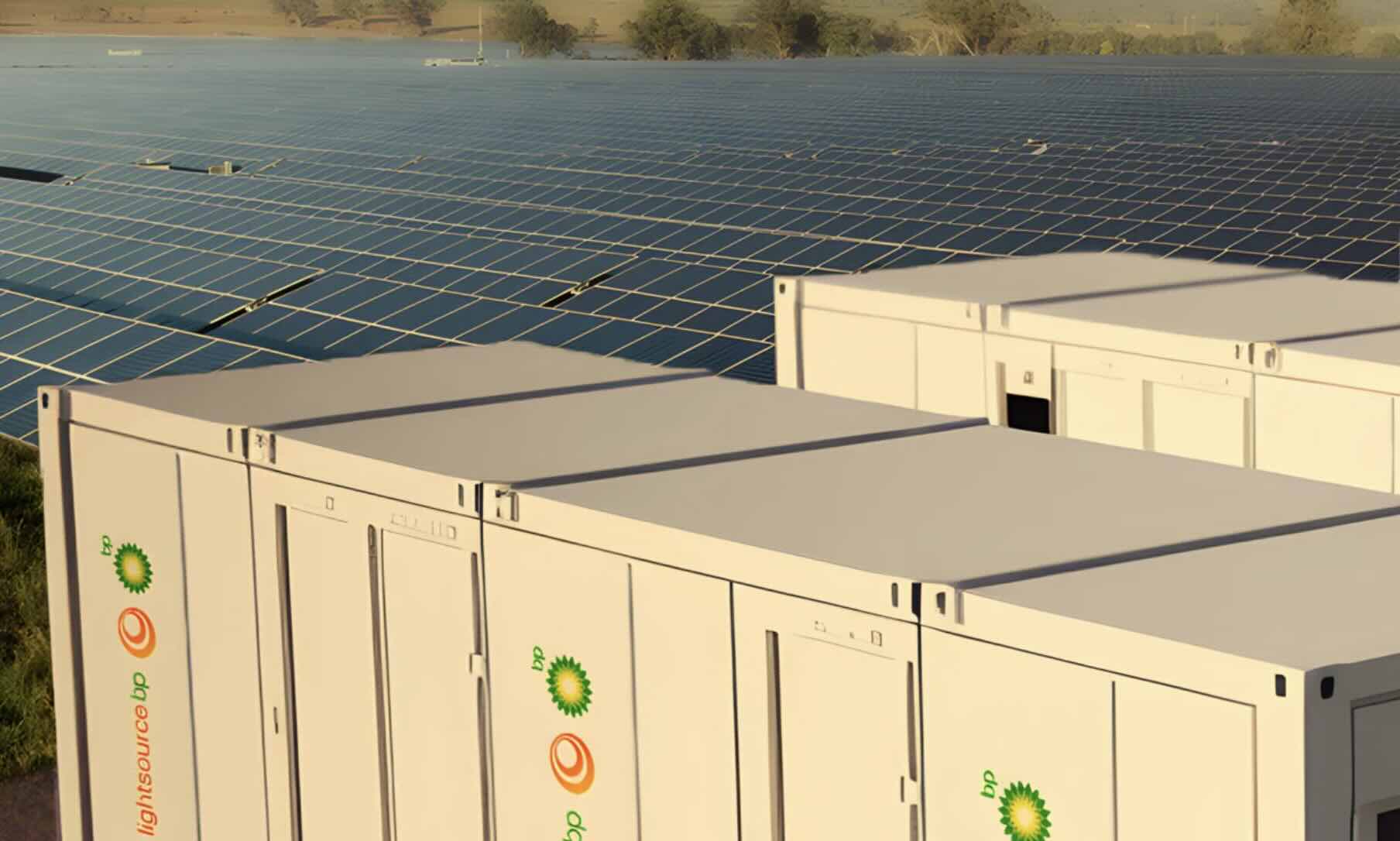
Renewable Energy Records Set as Big Batteries Slash Power Costs
Recent quarters have demonstrated an impressive uptick in both large and small-scale renewable energy projects in Australia, reinforcing the federal government’s commitment to attaining an 82 per cent renewable share in the electricity mix, regardless of whether the 2030 target is met.
New insights from the Clean Energy Regulator (CER) reveal that despite setbacks from COP pledges and inconsistencies in policies, fossil fuel usage is declining rapidly within Australia’s energy sector, contributing to a substantial 27 per cent decrease in wholesale electricity prices over the past year.
Renewable Capacity Breakthroughs
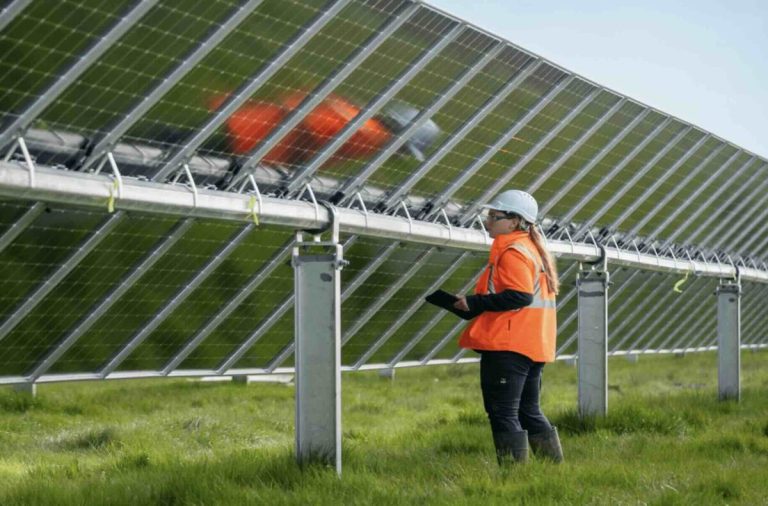
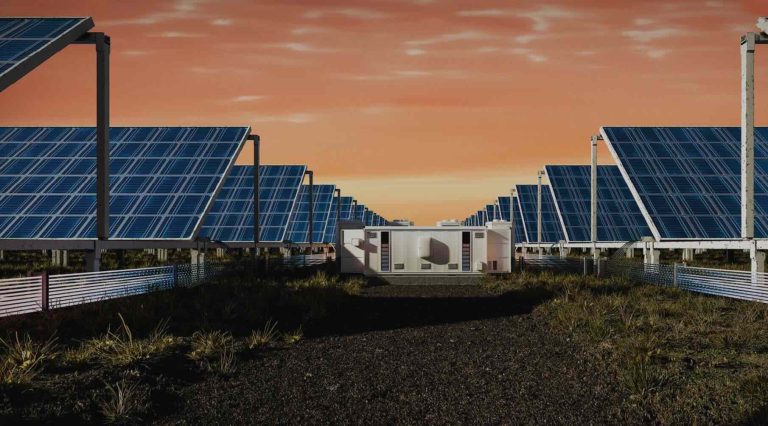
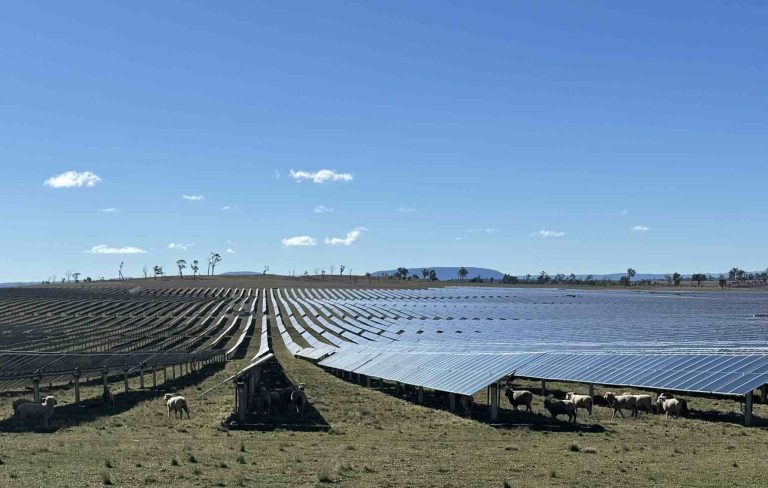
The CER’s Quarterly Carbon Market Report (QCMR) has unveiled that 2.1 gigawatts (GW) of large-scale renewable energy capacity reached the final investment decision (FID) between July and September (Q3) of this year. This brings the total for 2026 to an impressive 5 GW, surpassing the previous full-year record of 4.9 GW set in 2025.
Further investments post-quarter have elevated this figure to a remarkable 5.5 GW, as reported by the CER.
Wind energy, in particular, marked its highest quarterly performance since records began, with 1.1 GW of new capacity achieving FID.
Government Support and Future Projections
More than half of the projects attaining FID by the end of Q3 2026 were bolstered by the federal government’s Capacity Investment Scheme, highlighting its significant impact on current investment trends.
However, the data indicates that the overall capacity awaiting approval for power stations remains limited, with just 570 MW under assessment as of 30 September 2026.
The report suggests that while a few large power station applications could skew numbers higher, current trends indicate that approvals are unlikely to reach the forecasted range of 3.5 to 4.5 GW outlined in the Q1 2026 QCMR. It now estimates that between 2.6 and 3.4 GW will gain approval under the Large-Scale Renewable Energy Target (LRET) in 2026.
Energy Storage Milestones
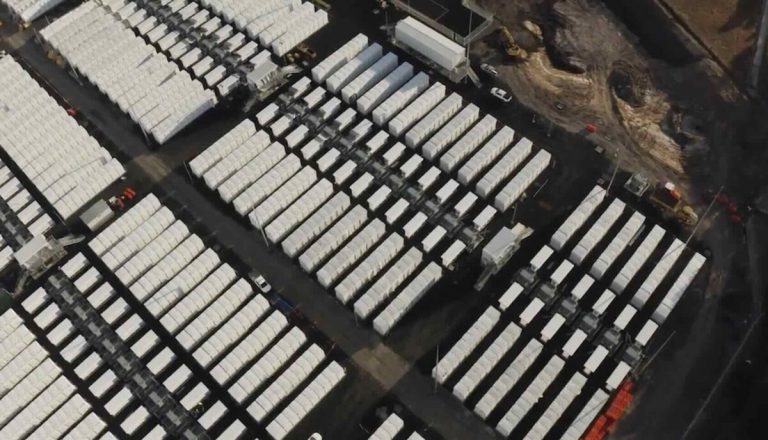
In terms of large-scale energy storage, the CER’s new tracker reveals that 13.8 gigawatt-hours (GWh) of storage capacity was confirmed in the last quarter, bringing the 2026 total to a solid 20 GWh.
Moreover, the average capacity of batteries being integrated into the grid has doubled, from 265 megawatt-hours (MWh) in 2025 to 621 MWh in 2026.
The CER highlights that grid-scale batteries are increasingly impacting electricity market outcomes, and along with reduced grid demand, have contributed to a 27 per cent drop in National Electricity Market wholesale electricity prices compared to Q3 2025.
Rooftop Solar Growth Continues
On the consumer front, the data indicates that rooftop solar installations achieved their strongest September quarter to date, with 890 MW installed. This brings the overall total for 2026 to 2.8 GW, positioning the year to potentially surpass an annual record of over 3.2 GW.
The Clean Energy Regulator also anticipates that these already significant numbers could see further enhancement with the launch of applications for the mid-scale Small-scale Renewable Energy Scheme (SRES) incentive, now including rooftop systems sized between 100 kW and 1 MW.
Additonally, home battery installations have remained robust, with a total of 10.3 GWh of behind-the-meter capacity installed and approved under the Cheaper Home Batteries scheme by the end of Q3 2026. This has led the CER to revise its yearly projection upwards from 8–12 GWh to a new estimate of 13–15.5 GWh.
Consumer Behaviour and Market Impact
The shift towards greater consumer investment is beginning to reflect in electricity demand and market outcomes. According to the Australian Energy Market Operator, the increase in distributed solar energy has surpassed the overall growth in electricity demand, both from grid and distributed sources, during Q3, thus reducing the average grid demand.
Households employing rooftop solar and battery systems have reduced their electricity imports by 74% during peak evening usage compared to those with solar alone. This shift has certainly contributed to the easing of peak demand from the grid.
CER chair Tony Chappel expressed that with the initiation of the mid-scale rooftop solar rebate, Australia can expect further advancements in distributed energy resources.
“Households are continuously transforming how energy is generated, stored, and used within the grid,” Chappel remarked on Thursday.
“Those with solar and battery installations are consuming less grid electricity in peak hours, positively influencing costs for everyone. The latest data from the National Electricity Market indicates that average wholesale spot prices for Q3 are at their lowest since 2021, predominantly as a result of reduced evening demand, the growth of large-scale batteries, and overall price stability,” he concluded.