Onshore Wind to Outperform Gas Costs by 2037, BNEF Reports
Opponents of renewable energy, particularly within the federal coalition and One Nation, face a significant dilemma.
As old coal-fired power stations, along with some gas facilities, are phased out, there is an urgent need for new energy generation capacity. If we don’t replace that capacity with wind and solar power, supported by storage solutions, the cost of energy for consumers is likely to rise.
Cost Implications for Energy Consumers
This situation raises questions for politicians advocating for lower living costs: how exactly do you propose to achieve this if you’re not opting for the most economical new generation options?
The CSIRO’s annual GenCost reports consistently highlight this issue, with the 2026-27 consultation draft anticipated soon. Previous reports have emphasised the cost disparity between renewable sources and fossil fuels, with nuclear energy particularly lagging behind.
Insight from Bloomberg New Energy Finance
In a recent update, Bloomberg New Energy Finance (BNEF) offered valuable insights in their New Energy Outlook (NEO) report for 2026, illustrating the stark contrast in levelised cost of electricity (LCOE) between clean and fossil fuel energy sources.
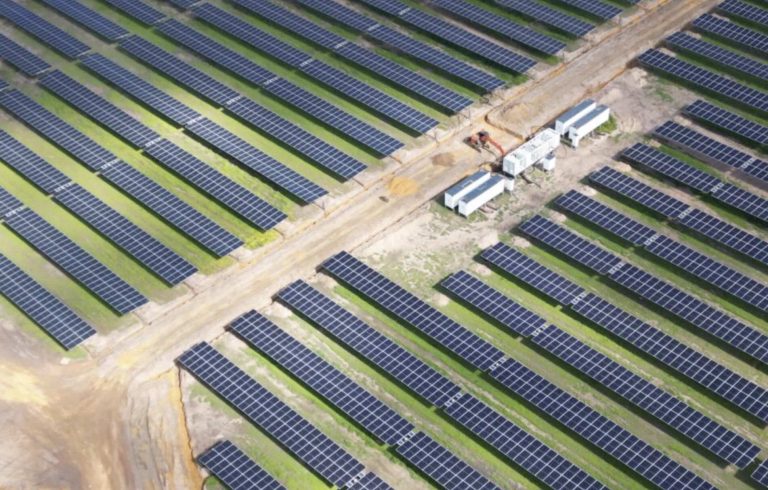
By 2025, the benchmark LCOEs were projected to be around $US44 (£34) per megawatt-hour for single-axis tracking solar utilities and $US77 (£59) per megawatt-hour for onshore wind. Both renewable energy sources are currently cheaper to build compared to new coal or gas generation capacities, which are estimated at approximately $US100 (£77) and over $US200 (£154) per megawatt-hour respectively, as stated in the BNEF report.
Future Projections for Renewable Energy Costs
As costs continue to drop, solar and wind energy are expected to become even more economically viable in Australia, with BNEF noting that these projections exclude carbon emission costs, which are significant in their impact on climate change.
BNEF further predicts minimal improvements in the construction costs for new coal and gas plants over the coming decades. This may be attributed to leading manufacturers not allocating much research and development funding toward enhancing these aging technologies that have been in use for centuries.
Long-term Forecasts for Solar and Wind
Forecasts indicate that renewable energy costs will keep declining well into the future. By 2050, solar power is expected to remain the most affordable new technology with its LCOE plummeting by nearly two-thirds to around $US16 (£12) per megawatt-hour.
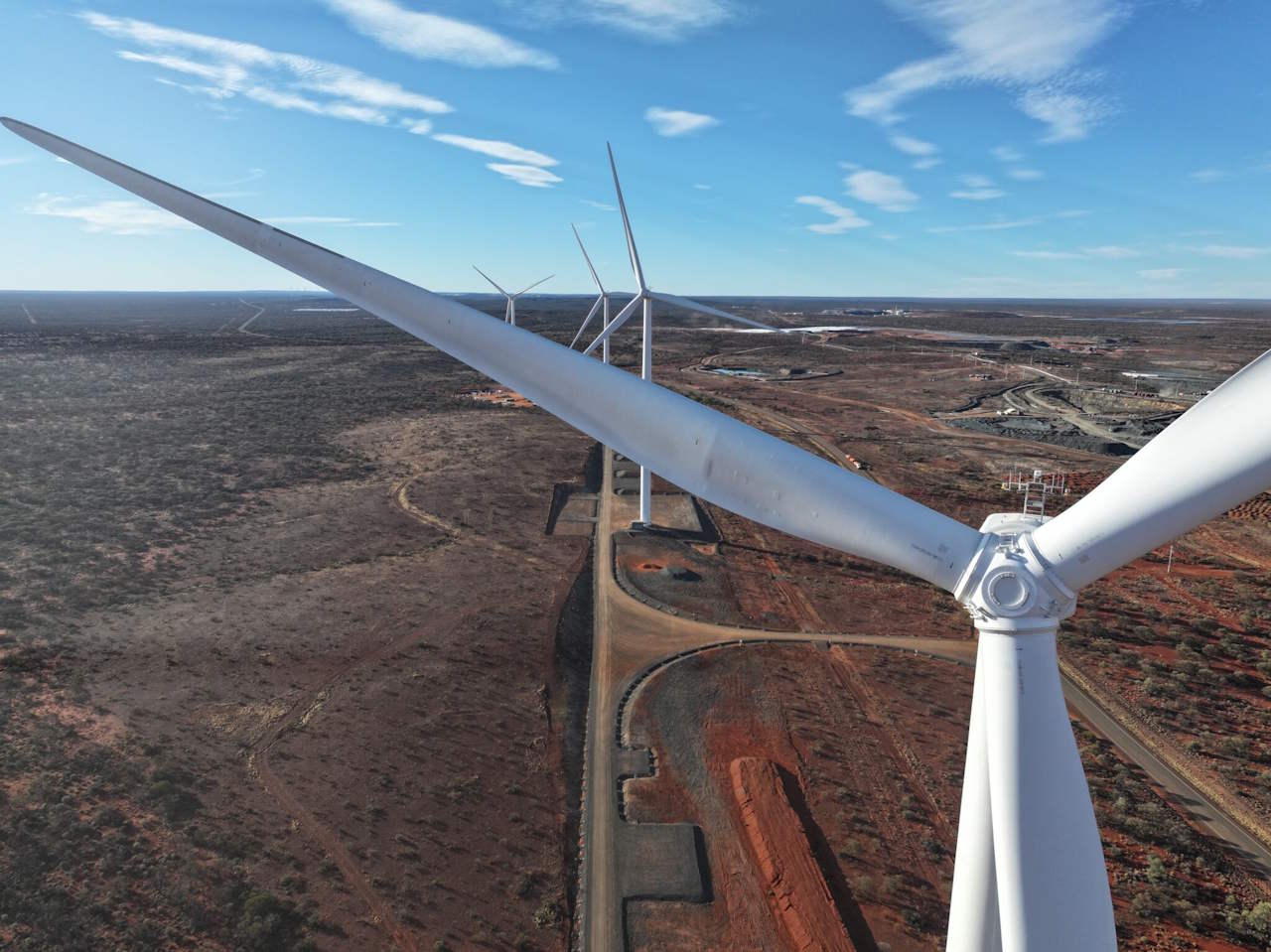
The LCOE for onshore wind is also set to decrease, albeit by a third to about $US51 (£39) per megawatt-hour, according to BNEF. The report asserts that new solar energy is already cheaper than the operational costs of existing gas power, while new onshore wind will likely undercut gas costs by 2037, bolstering the economic rationale for transitioning from outdated thermal generation to new renewables.
The Outlook for Coal and Gas
Despite the significant benefits of renewables, this does not exclude the ongoing relevance of coal and gas since their investment costs have already been incurred. Operators will mainly incur expenses tied to fuel and variable maintenance without factoring in costs related to network upgrades for new capacities, as per BNEF’s analysis.
This means thermal plants can remain operational for the time being, even as new renewable energy sources boast lower LCOEs. Nevertheless, the economics gradually sway towards renewables, and by 2050, solar and wind technologies will not only outperform new fossil-fuel generation but will also increasingly rival the costs of operating existing coal and gas facilities.
The ongoing shift towards renewables is inevitable, inviting an earnest consideration on how to navigate this energy transformation effectively.