NSW Changes Planning Rules to Curb Long-Distance Objections on Renewable Projects
The New South Wales government has introduced significant reforms to its planning regulations aimed at minimising the influence of long-distance objectors who derail approvals for wind, solar, and battery projects. This move is intended to streamline the planning process and expedite the implementation of renewable energy initiatives.
State Planning Minister Paul Scully announced that the new rules will raise the threshold for the number of objections needed to initiate an automatic independent review. Specifically, complaints from individuals outside the state or country will no longer be accepted, and grid-scale battery projects will be completely exempt from this review process.
Changes to Objection Thresholds
Under the previous system, projects receiving more than 50 objections were referred to the Independent Planning Commission (IPC). However, this mechanism has been manipulated by a small group of objectors, many residing far from the projects, making unsubstantiated claims irrelevant to the actual proposals. This has resulted in delays for nearly 90% of renewable energy projects, extending assessment timelines by up to 300 days.
Minister Scully remarked that while the IPC plays a crucial role in planning, the influx of objections from those living abroad or interstate has transformed a straightforward process into a logjam. He stated, “Decisions that influence our communities and economy should not be derailed by orchestrated campaigns from as far away as the United States.”
Focus on Local Community Interest
The alterations aim to ensure that the IPC’s attention is directed towards projects that are of actual concern to local communities, without diluting the burden on project developers. Scully reassured that councils will retain an essential role in the planning process, and their insights will still be valued.
Going forward, state significant data centres, resource initiatives, or energy projects will only be referred to the IPC if they garner 100 or more objections or if there has been a reportable political donation associated with the project. This guideline appears particularly aimed at addressing the activities of small groups of agitators, some located in rural areas, who have been submitting numerous objections across various projects.
Examples Prompting Regulatory Adjustments
The NSW department highlighted several cases that led to these changes, including the Homebush battery project, set to be developed on former industrial land adjacent to a major motorway. The department noted that a substantial portion of the objections—19 out of 59—originated from outside NSW, resulting in extended planning times. Additionally, many objections from within the state came from repeat opponents living over 800 kilometres away.
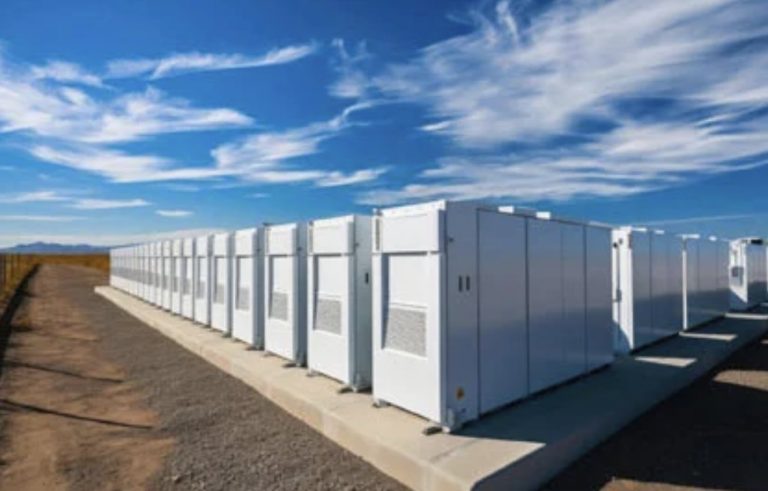
The planning department has now removed standalone battery storage projects from the IPC referral process since they are considered low risk and straightforward, allowing the Department to assess them more efficiently.
Impact on Upcoming Projects
Despite these reforms, they will not apply to projects currently in the planning stage, such as the Ebor and Romani batteries, which are set to face IPC review due to the volume of objections, many of which come from interstate. Submissions included familiar concerns about renewable energy leading to communism and claims that materials like cobalt used in batteries supposedly support slavery—claims which have been refuted.
The new regulations are expected to take effect from August 19. However, existing projects, like Ebor and Romani, will still need to navigate the previously outlined IPC review process.
To receive the latest updates on clean energy delivered directly to your inbox, you can subscribe to our free daily newsletter.
Support for independent media is crucial in counteracting the spread of misinformation about the energy transition. Consider making a one-off donation or becoming a regular supporter of Renew Economy.