New Zealand Opens Major Kōwhai Park Solar Farm
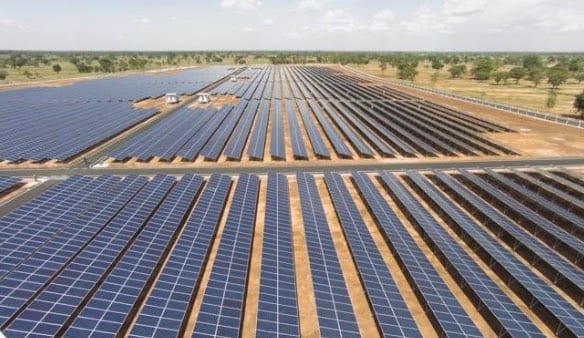
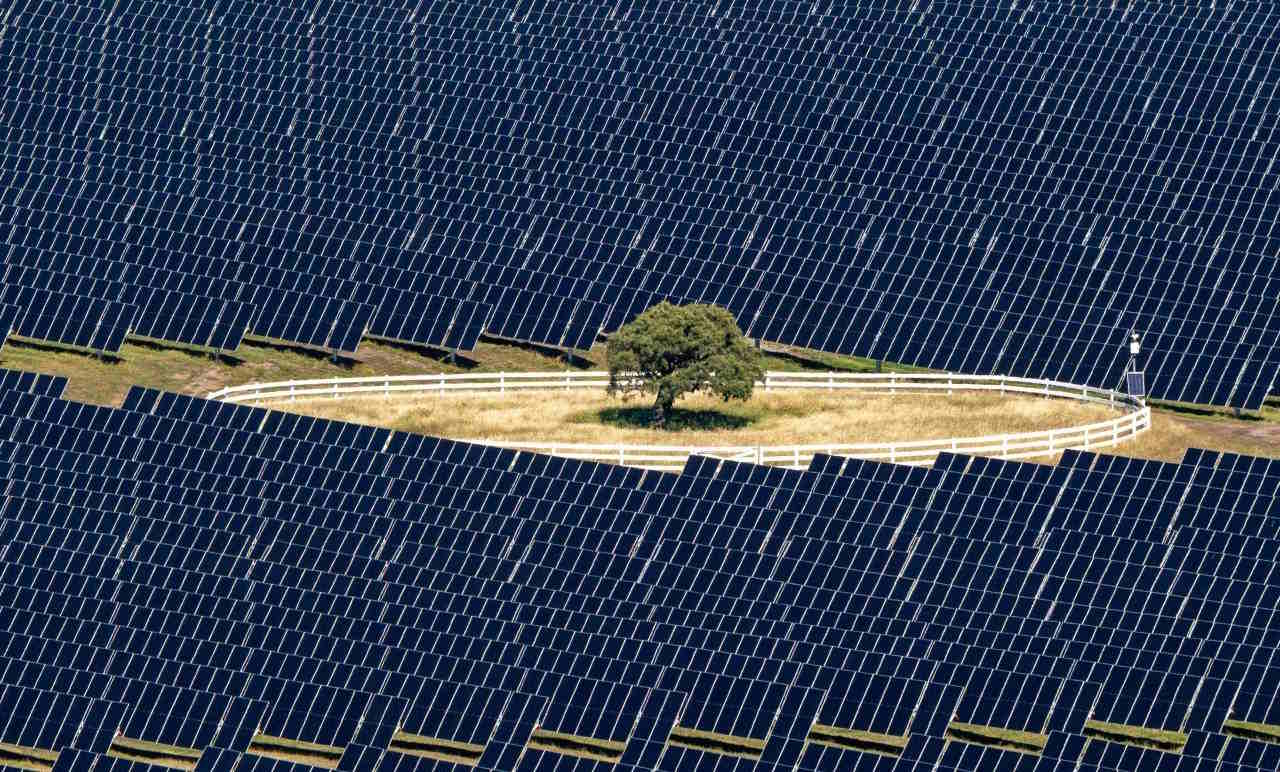
New Zealand celebrated the inauguration of one of its largest solar farms last week, the Kōwhai Park solar farm, which boasts a capacity of 150 megawatts (MW). Located on the South Island, this facility is anticipated to produce 275 gigawatt-hours (GWh) of electricity each year.
The solar farm is a result of a partnership between local electricity company Contact Energy and global renewable energy firm Lightsource BP. Construction commenced in early 2025 after the project secured NZ$267 million in funding by mid-2024.
Location and Impact
Set adjacent to Christchurch Airport, the solar farm has a capacity of 150 MWac/168 MWdc and comprises roughly 300,000 solar panels. It is projected to generate sufficient electricity to meet the annual needs of around 36,000 households.
The power produced at Kōwhai Park will be supplied to Christchurch Airport and dairy firm Synlait through long-term power purchase agreements, enhancing both operations’ sustainability.
Comments from Leadership
Mike Fuge, CEO of Contact Energy, praised New Zealand’s renewable energy potential, stating, “Building new generation at scale gives businesses the confidence to electrify and strengthens our security of supply. That means a more resilient energy system, with more home-grown generation supporting a productive and prosperous New Zealand.”
He added that Kōwhai Park is the first solar farm to be completed by their team, with two additional projects in Taranaki and Northland awaiting consent in collaboration with Lightsource BP.
Recent Developments in Solar Energy
The Kōwhai Park solar farm’s opening closely follows the launch of the Tauhei Solar Farm, which holds the title of New Zealand’s largest solar installation, located on the North Island. This facility, developed by Harmony Energy in partnership with the London-based investment manager Igneo Infrastructure Partners, has a capacity of 202 MW and is capable of generating enough green electricity to power about 35,000 homes.
The Tauhei solar farm was first energised in June and commenced electricity export to the grid, undergoing several months of testing to prepare for full commercial operations expected to start in October.