Lynas Rare Earths Mine Achieves 100% Renewable Energy Operations
Executives at Lynas Rare Earths have emphasised that their flagship mine at Mt Weld, a significant source of essential minerals for wind and electric vehicle industries, consistently operates on 100 per cent renewable energy, with fossil fuel engines frequently switched off for lengthy periods.
This assertion aligns well with the mine’s impressive performance, boasting an average of 93 per cent renewable energy usage in the first half of 2026, substantially exceeding the 70 per cent anticipated following the activation of its new 65 MW hybrid renewable energy facility in January.
Significance in Current Energy Debate
The ability of one of the globe’s foremost rare earth mines, dedicated to fostering a sustainable energy future, to function entirely on renewable sources for extended durations is particularly noteworthy, especially amidst the challenging political discussions surrounding energy policies currently pervading Australian politics.
This situation is further underscored by Gina Rinehart, the largest shareholder in Lynas Rare Earths, who is known to support political factions that are intent on dismantling net zero and renewable energy commitments, both in Victoria, where a state election is occurring this weekend, and at the federal level.
Inside the Hybrid Power Plant
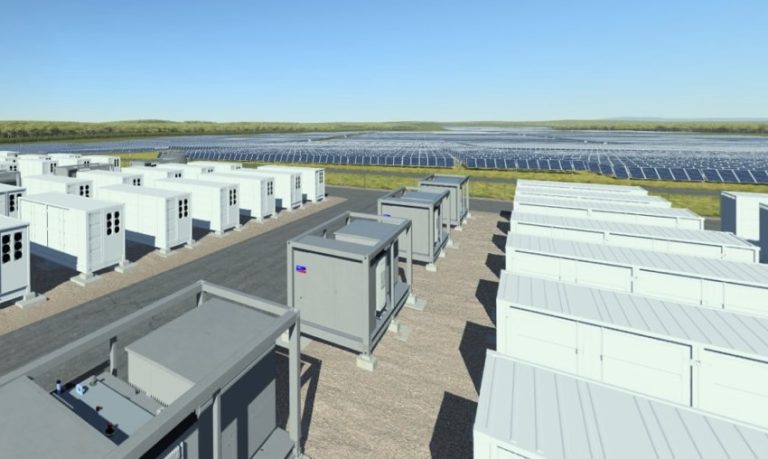
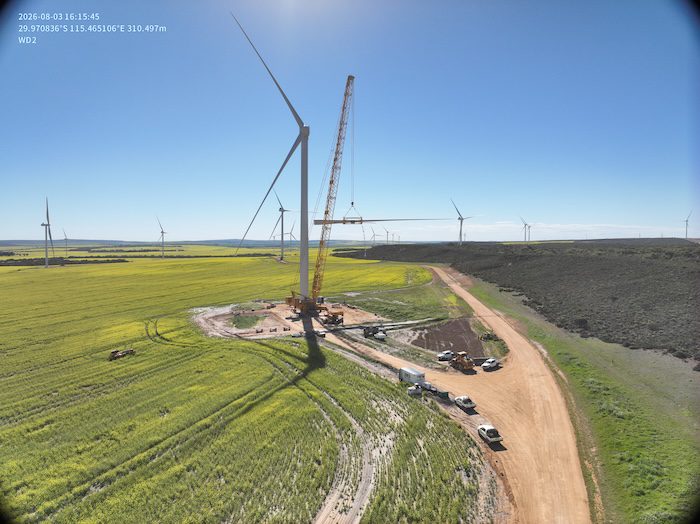
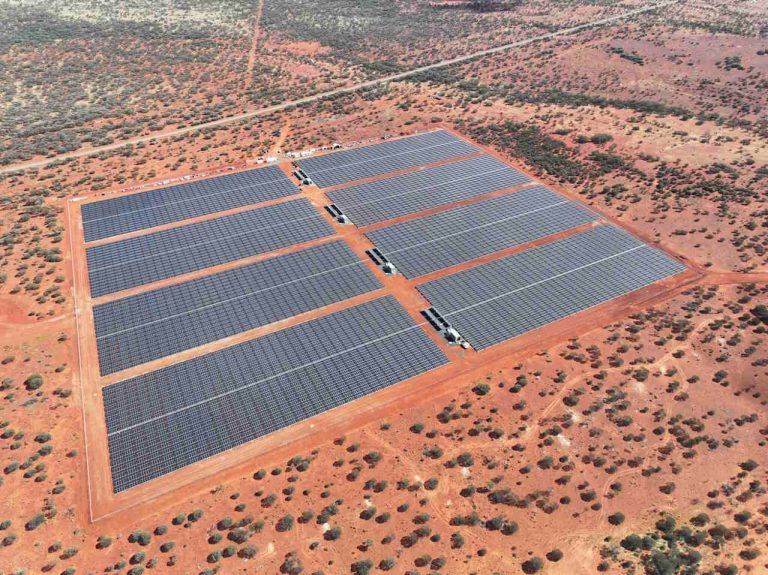
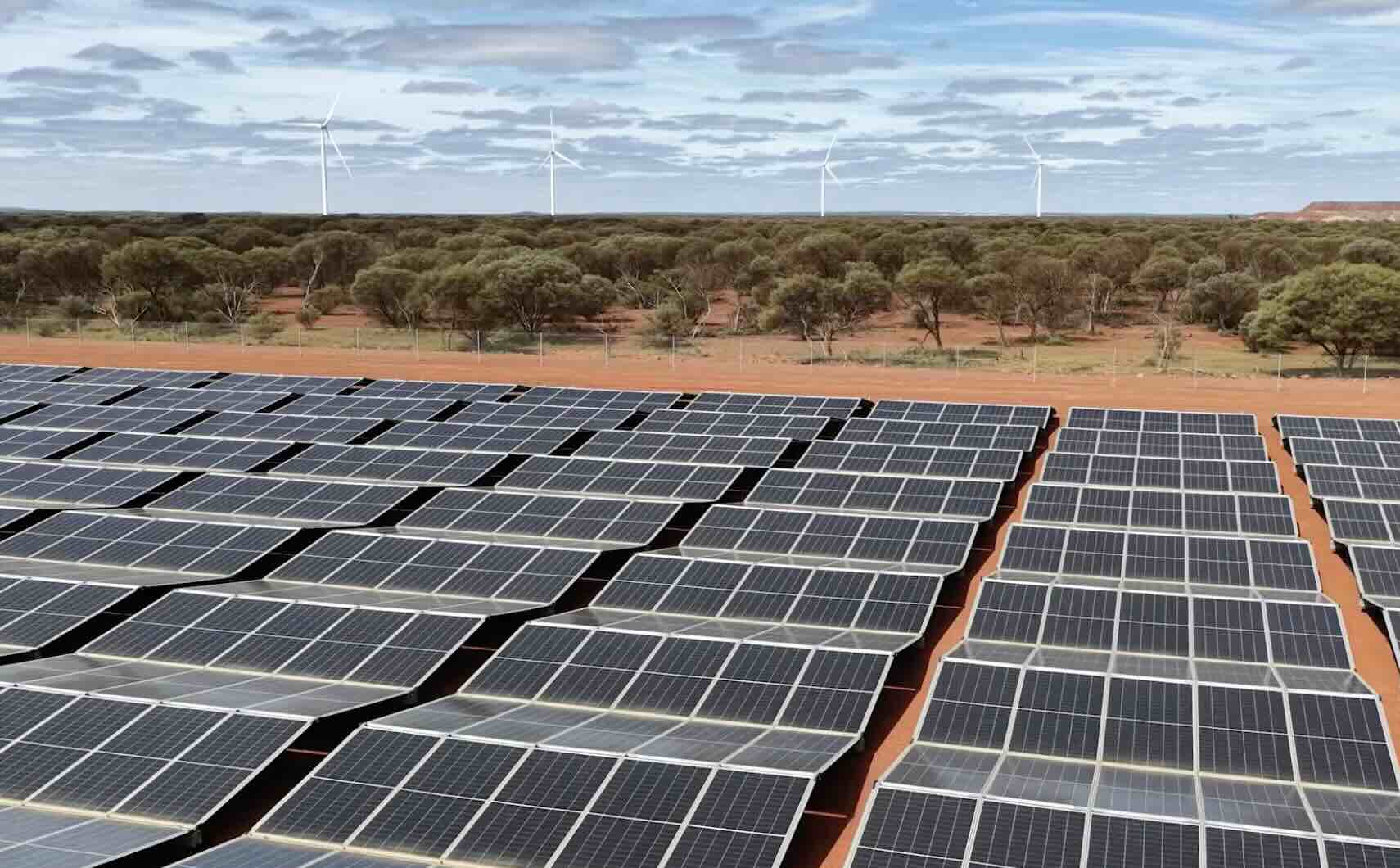
The Mt Weld hybrid power facility comprises a 24 MW wind capacity, a 7 MW solar array, and a 12 MW/12 MWh battery, complemented by a 17 MW high-efficiency gas-fired power station. This setup has replaced the prior diesel generator at the off-grid site, located nearly 1,000 kilometres north-east of Perth.
According to the company’s sustainability report released recently, “The gas-firmed hybrid power station facilitates ‘engine-off’ operation powered entirely by renewables, when circumstances permit.”
Significantly, Lynas has reported a notable decline in diesel fuel usage, having saved over 870,000 litres of diesel during the March 2026 quarter when compared to the same period in March 2025.
Acknowledging Hybrid Power Success
A corporate video showcased during the company’s AGM in Sydney on Wednesday illustrated how each of the four wind turbines on-site includes several tonnes of the rare earths extracted from Mt Weld, confirming its vital role in supplying the global wind industry.
Zenith Energy, the firm that developed the hybrid power plant and supplies energy to the mine under a 15-year power purchase agreement, was recently awarded the Battery Storage Prize at the Asia Power Awards for the Mt Weld installation.
In a recent LinkedIn post, Zenith expressed that the Battery Storage Project of the Year accolade recognises the valuable contributions of Battery Energy Storage System technology to the hybrid power solution at the facility.
Broader Trends in Renewable Energy Installations
Moreover, Zenith has also constructed a similar hybrid power plant at the Kathleen Valley lithium mine owned by Liontown Resources, which has achieved an average of 82 per cent renewable energy this year.
Another hybrid setup at Bellevue Gold, also situated in Western Australia, has managed to operate for 153 hours at 100 per cent renewables with the engines off throughout this year. This site integrates 27 MW of solar power, 24 MW of wind capability, and a 15 MW/33 MWh battery, along with thermal backup support.
Bellevue Gold is now planning to enhance its solar capacity and battery storage to further expand its mining and processing activities.
Implications for Future Energy Systems
Zenith Energy’s CEO, Hamish Moffat, commented last month that the accomplishments demonstrated at these sites challenge the assertions that high-renewable energy systems cannot reliably sustain energy-intensive industrial operations.
“The national energy discourse often revolves around prospective targets and long-term strategies,” he stated, emphasising the milestones achieved by the hybrid power plants.
“What these operations illustrate is that high-renewable energy systems are functioning effectively today at a commercial scale, even under some of the most technically demanding conditions in Australia. These operations cannot tolerate instability or interruption. If high-renewable energy systems can perform reliably in remote mining settings, it expands the conversation about what is technically and economically feasible across the broader economy.”