Local Opposition Grows Against Tiny Solar Project Near Snowy 2.0
A small solar initiative in rural New South Wales (NSW) has ignited community resentment, primarily directed towards the ongoing woes of the Snowy 2.0 project. EDPR Australia aims to establish a 4.99 megawatt (MW) solar and battery installation just a kilometre from Old Adaminaby, the remnants of a town submerged due to earlier construction of the Snowy Hydro dams.
When EDPR unveiled its plans in late 2025, it encountered significant pushback from locals resentful of the tumultuous construction process associated with the troubled Snowy 2.0 project. Farmer Ineke Stephens articulated the economic toll the new energy projects have exacted on the community, linking them to the closure of businesses, declining tourism, and staff shortages in local firms.
Local Concerns and Community Impact
Stephens expressed her frustrations to the Southern Regional Planning Panel, highlighting that Snowy 2.0 had dealt a “significant hit” to the locality. She argued that the EDPR solar project would yield no economic benefits and exacerbate existing housing challenges. “If renewable projects genuinely aided our community, we would have evidence from the current state of Snowy 2, which clearly they do not,” she stated.
Another resident, Neville Locker, raised concerns about the potential alteration of the area’s character, despite its historical ties to major energy schemes and being partly submerged beneath one of the dams. He lamented that local authorities seem to disregard Adaminaby’s struggles: “It is disheartening that you permit an initiative that marks the start of changing the rural essence of this place, all while introducing thousands of solar panels along a country road,” he remarked.
The Legacy of Energy Projects in Adaminaby
Adaminaby has long been part of Australia’s energy landscape, having been relocated in the mid-1950s when flooding from one of the dams submerged the original town and surrounding farmland. The repercussions of this historical decision still resonate within the community six decades later.
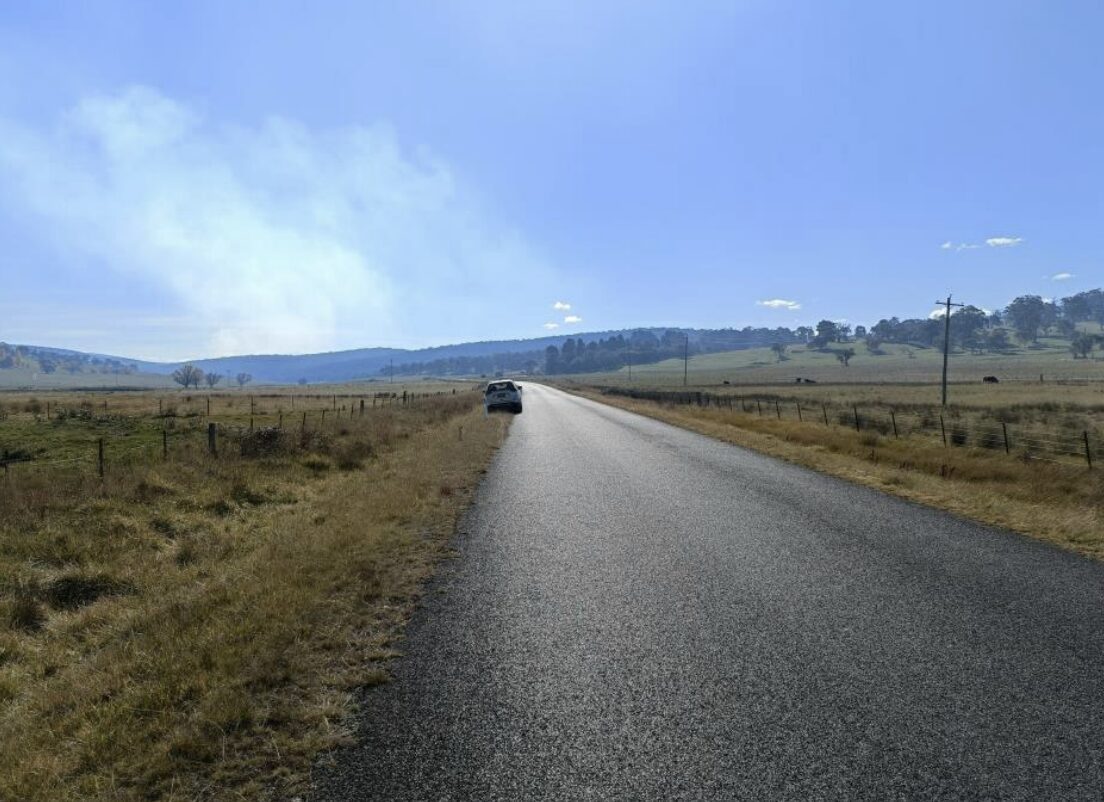
The EDPR initiative, estimated to cost nearly $10 million by local council assessments, is planned for a 12-hectare expanse of farmland situated along a rural road connecting two petite towns adjacent to the Eucumbene dam. A planning consultant for EDPR remarked on the appeal of small-scale developments in tranquil regions, noting they require minimal additional infrastructure for grid connection.
Community Opposition and Planning Challenges
The initial public consultation in March generated 18 opposition submissions, prompting a review and a subsequent round of public comments in June. By this time, only three of the original opponents chose to renew their objections. Concerns were voiced about potential traffic disruptions, the visual impact of the solar installation, and issues related to glare from the solar panels.
During the planning session, the consultant clarified that the trucks involved in the construction would be of a size comparable to existing farming vehicles already navigating the route. However, nearby residents expressed worries about experiencing glare at certain times throughout the day and year, to which an EDPR representative responded that they could manually adjust the panel trackers to mitigate this issue.
The discussion also unearthed accusations of procedural unfairness and questions of transparency, as one speaker demanded clarification on why the project was targeted at 4.99 MW instead of 5 MW, along with inquiries concerning any public funding associated with the initiative.
Efforts are ongoing to support independent media and combat the spread of misinformation related to the energy transition.