Eyre Peninsula Rooftop Solar Ban Continues Amid Storm Damage Recovery
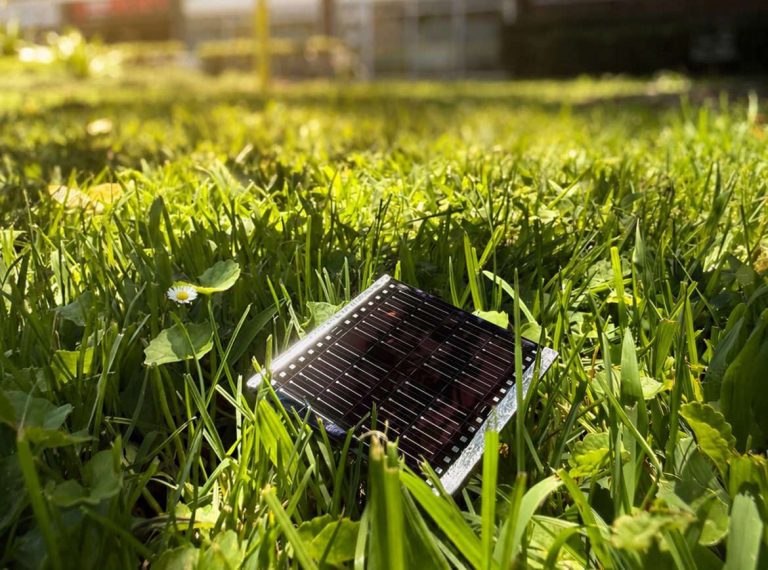
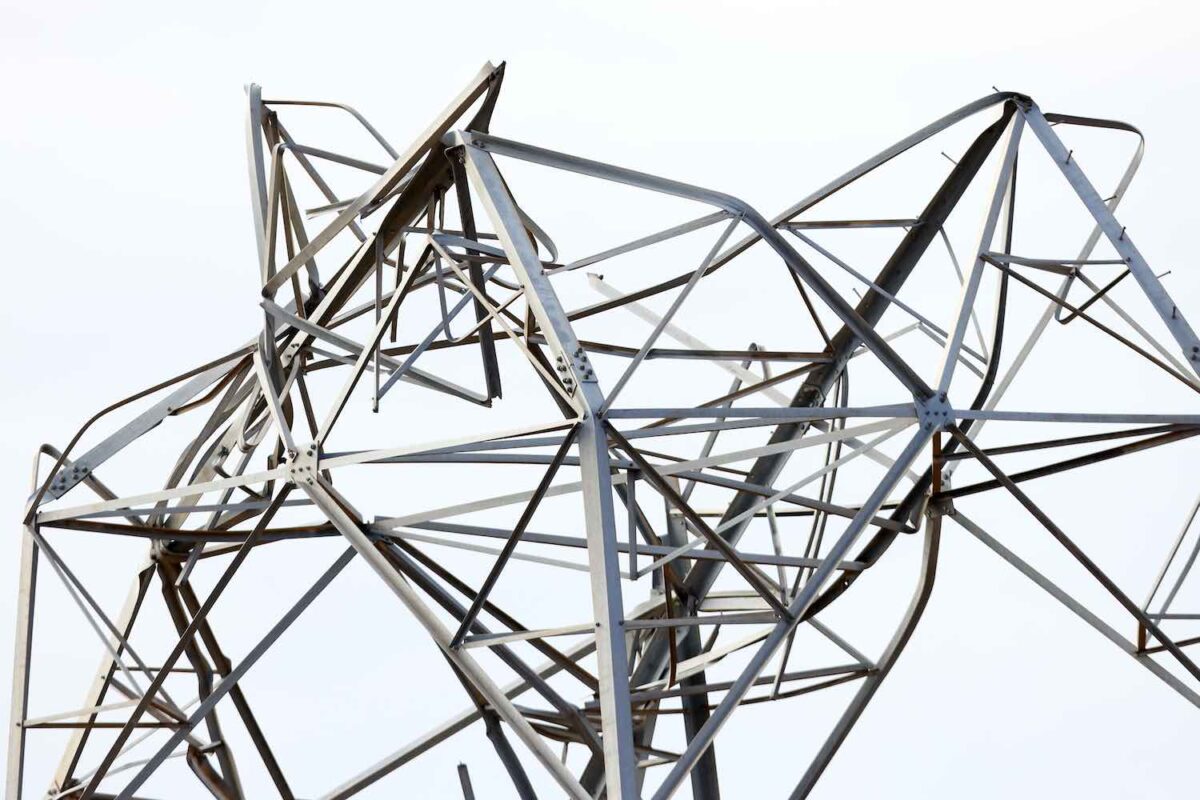
The Eyre Peninsula in South Australia will face a continued ban on rooftop solar power exports for several more days. This measure comes as the local transmission network operator works rapidly to replace transmission towers that were damaged during a severe storm last Thursday.
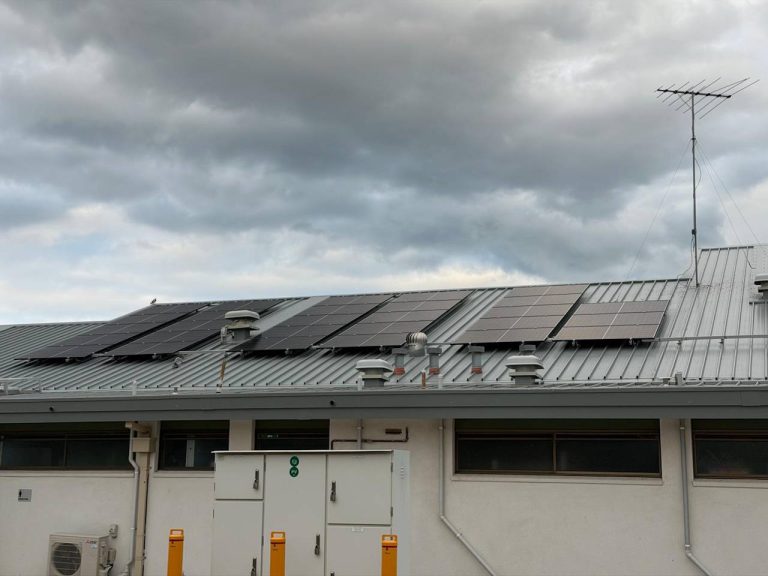
This prohibition affects around 10,000 homes and businesses in the area to safeguard the ageing diesel generators in Port Lincoln, which have become the primary energy source for the southern section of the peninsula. While properties equipped with small batteries can still utilise their solar systems for internal power needs, exporting electricity back to the grid is not permitted.
Reconnection Efforts and Historical Comparisons
Many residents in the northern region of the peninsula have successfully been reconnected to the main grid due to a reconfiguration of the local network. The current situation in South Australia bears a resemblance to events that transpired over a year ago in Broken Hill and its surrounding areas in New South Wales, where strong storms knocked down several transmission towers, disrupting solar energy conveyance to the city.
However, Broken Hill faced additional complications linked to poorly maintained diesel generators and the non-utilisation of a large battery, which hindered the area’s ability to harness its abundant wind and solar resources effectively.
Current Power Sources and Community Concerns
In contrast, the Eyre Peninsula lacks a significant battery system—especially in the part isolated from the main grid. Its only wind facility, the 20-year-old Cathedral Rocks wind farm, is currently offline due to damage sustained by the transmission line and the absence of a properly integrated battery system. Consequently, the region relies heavily on the two diesel generators based in Port Lincoln, with one generator on standby. Reports indicate that it took up to six hours to get one of these generators operational.
Advocates for local renewable energy argue that implementing a series of community batteries would have been a more efficient, reliable, and less costly solution compared to the reported $9 million annual expense associated with maintaining the seldom-used Port Lincoln diesel generators.
Unexpected Storm Damage and Investigations Ahead
The collapse of the transmission towers came as a shock, given that they had only been installed in 2023 by ElectraNet as part of a new $300 million transmission project, designed under the latest standards (AS7000) following severe storms that resulted in a statewide blackout in 2016. Local residents recounted the impact of the storm, reported to be a “one-in-2,000-year” event, which wreaked havoc on their farms and caused the transmission towers to buckle under pressure.
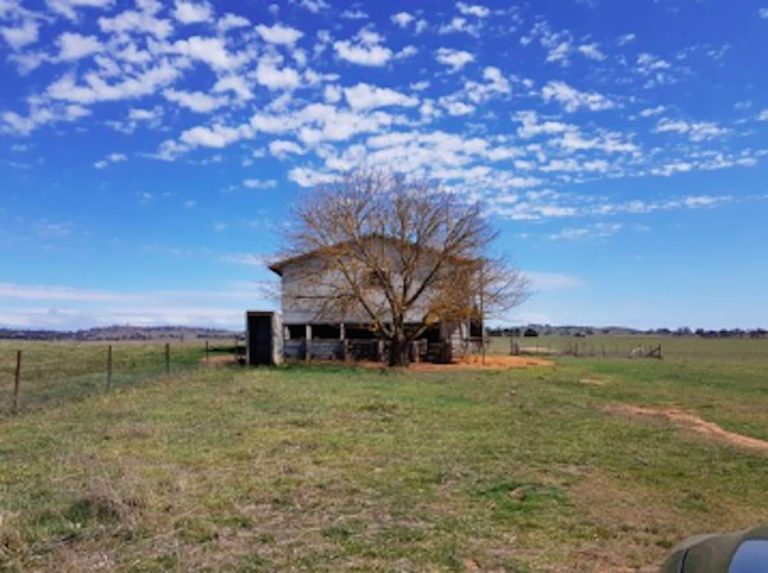
One local, Jarrod Prime, shared his experience of being trapped inside a shed when the winds forcibly blew off industrial farm doors. “All of a sudden there’s this big crash, bang,” he told 9News, as reported in the Adelaide Advertiser. “I was already running to the other end of the shed.”
South Australian Premier Peter Malinauskas addressed the media over the weekend, stating that the government would seek to determine the cause of the incident. “There are one of two possibilities here,” he explained. “Either this was a genuine ‘one-in-2,000-year weather event’ that understandably nothing can withstand — or, two, something went wrong regarding the specifications of that infrastructure. That’s what the investigation will examine.”
Energy Minister Tom Koutsantonis expressed similar sentiments. “There’ll be many questions once this is all resolved about how these over $300 million worth of upgrades made to the Eyre Peninsula just three years ago — which we’ve all funded through our power bills — could have failed, and what weather event triggered such a collapse,” he remarked during an interview on 891 ABC Adelaide.
Lack of Localised Data and Investigative Findings
One challenge facing investigators is the absence of localized data due to minimal Bureau of Meteorology (BoM) data collection in the area. While the bureau stated it had no recorded evidence of extreme wind speeds, this does not eliminate the possibility of their occurrence. An ElectraNet official noted that the transmission towers were designed to withstand wind speeds of up to 170 km/h but did not reject the likelihood that winds exceeding 200 km/h may have occurred during the storm.
When asked about potential structural faults in the new towers, ElectraNet’s Alex Trento acknowledged this as a possibility but assured that the towers were constructed following the required standards. “We are investigating…but, for now, looking at the localization of the event, we believe the towers were designed and built effectively,” he mentioned, as reported by ABC. “We think the winds might have exceeded the specifications—possibly reaching 250 km/h. However, we cannot confirm that at this time.”