Expanded Rooftop Solar Rebates for Mid-Scale Systems Now Available
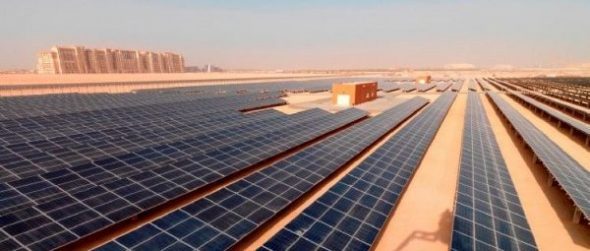
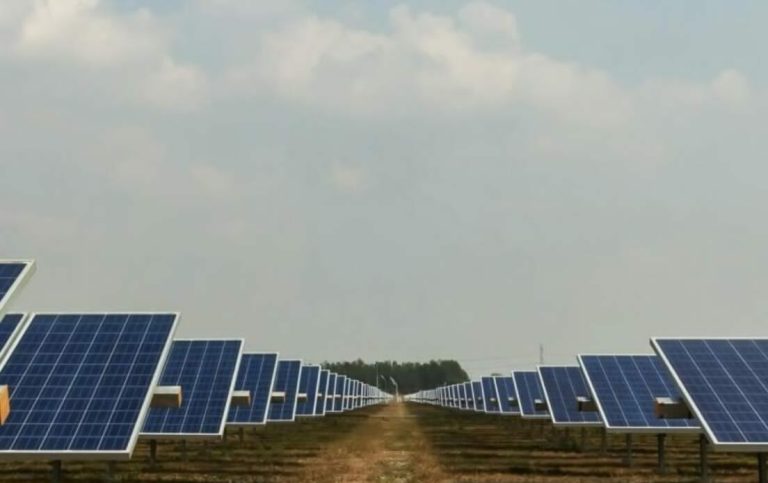
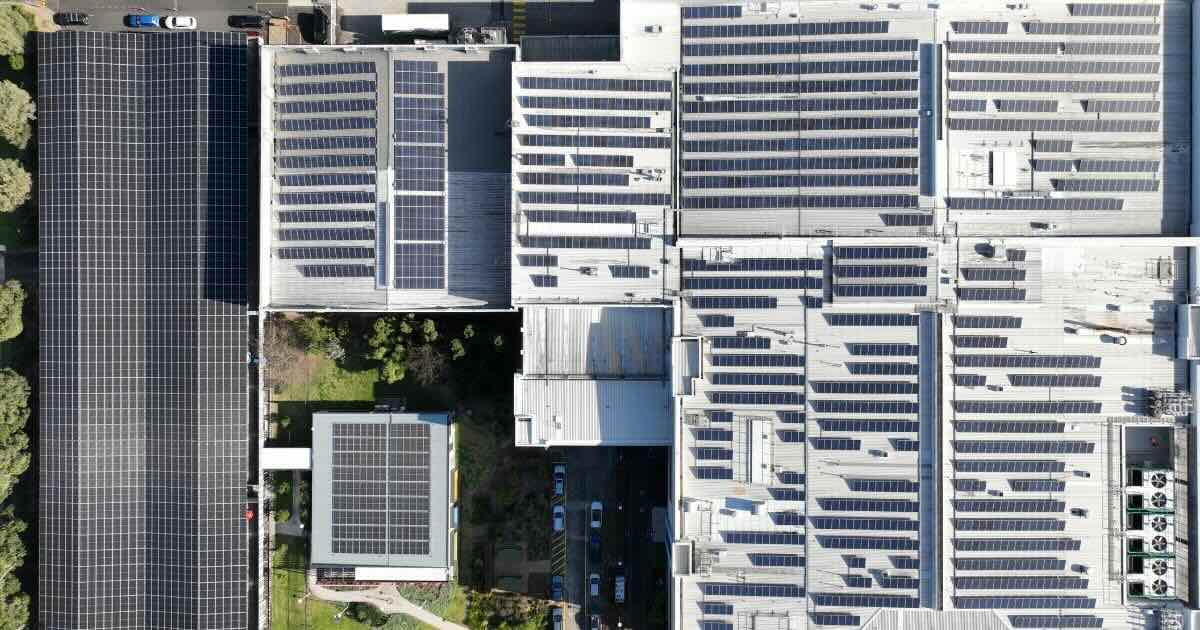
The federal rooftop solar rebate scheme has been significantly broadened to now encompass solar systems with capacities ranging between 100 kilowatts and 1 megawatt. This update introduces an estimated 20 per cent discount on photovoltaic installation costs for agricultural operations, manufacturing, community organisations, and various commercial entities.
On Thursday, Federal Energy Minister Chris Bowen announced that solar systems scaled to mid-size will commence qualifying for support under the Small-scale Renewable Energy Scheme (SRES), provided they meet the respective requirements.
Key Changes to the SRES
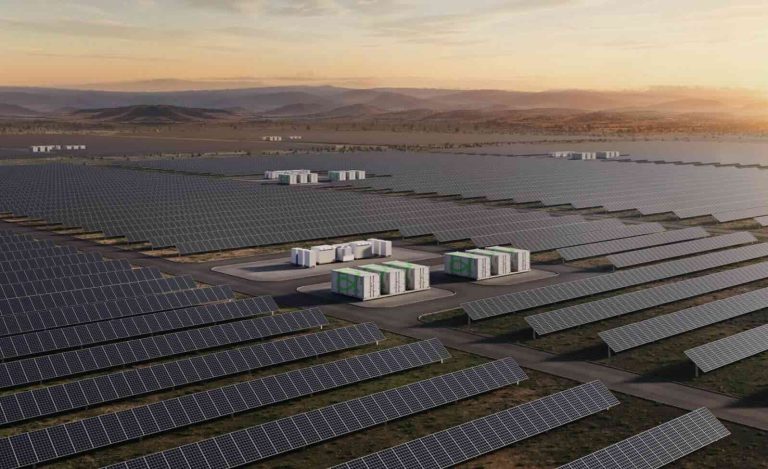
This dramatic alteration to the SRES, which has existed to some degree since 2001 and was previously limited to 100 kW since 2011, takes effect less than two months after Bowen’s initial announcement. The expansion, strongly advocated by industry representatives and lobbyists, aims to tap into what has been termed the “missing middle” within Australia’s vast rooftop solar capacity, which is believed to hold around 80 gigawatts (GW) yet to be harnessed on factories, warehouses, and large agricultural structures.
Bowen emphasised the importance of this opportunity, stating, “That’s an opportunity we should miss no longer.” He added that the reform is expected to lower the initial costs for mid-scale solar installations by approximately 20 per cent, facilitating investments in more affordable and cleaner energy alternatives for businesses and farmers alike.
Financial Benefits for Businesses
According to Bowen, businesses could potentially save around $68,000 on the installation of a 250kW solar system, along with an additional $50,000 annually in reduced energy expenses. For larger operations, an 850kW system capable of powering a factory or substantial retail outlet could see an upfront discount of about $232,000.
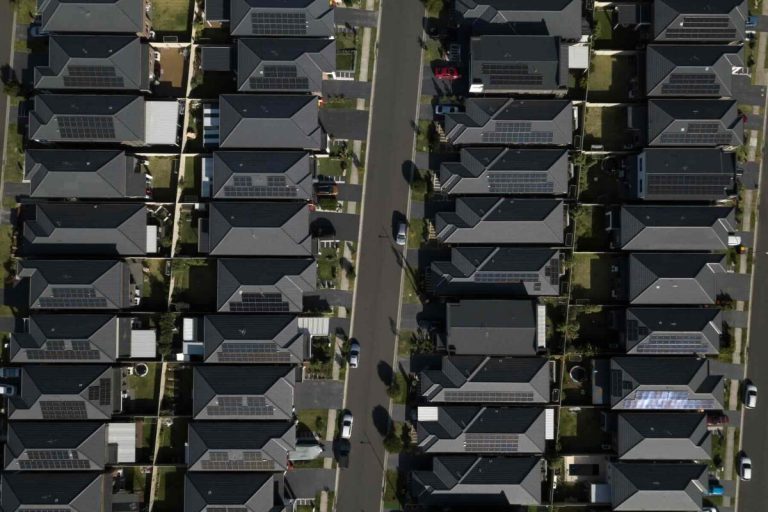
Bowen remarked, “We’ve seen the positive impact of rooftop solar on household utility bills. We want more businesses—from farms and factories to shops and warehouses—to benefit from this as well.” He added that increasing solar installations on commercial rooftops translates to more Australian-produced energy supporting local industries, resulting in reduced operational costs and lesser vulnerability to fluctuating fossil fuel prices.
Implementation Timeline and Regulatory Considerations
The Clean Energy Regulator, responsible for managing the SRES, has clarified that while the legislative amendments for the expanded SRES will apply to eligible mid-scale solar systems installed from 1 October 2026, applications for small-scale technology certificates (STCs) related to these systems will not be accepted until mid to late November 2026. This timeframe is intended to allow the necessary procedures and systems to be established.
The regulator informed Renew Economy that this delay solely influences the timeline for application submission and assessment and does not affect the eligibility of systems installed. A spokesperson for the CER noted that while there may be a brief lag in receiving STCs and related financial incentives, qualifying mid-scale solar systems would still gain from the full five-year deeming period for STC allocations.
Future Development and Challenges
Currently, the mid-scale SRES is anticipated to be quite distinct from the small-scale SRES and the Cheaper Home Batteries scheme due to the complexity involved in larger rooftop solar projects. These larger systems typically require extended timelines for development, alongside compliance with various regulatory and network standards. Moreover, there are fewer companies specialising in commercial and industrial solar projects.
Smart Commercial Energy, a leading provider in New South Wales, noted that solar projects around the one-megawatt scale often take about six months to complete, from early planning to installation. Jon Vlatko, the Chief Sales Officer, highlighted the intricate nature of these projects involving numerous stakeholders, strategic decision-making, and potential upfront enhancements, such as structural roof modifications and switchboard upgrades.
Furthermore, Bowen has indicated that his department is working on a request for regulatory changes intended to simplify the connection of larger solar systems to the electricity grid, thereby easing the deployment process.
Choosing the Right Scheme
As for owners of mid-scale solar systems, they will have the option to apply for the upfront financial support available through the SRES via STCs or engage with the Renewable Electricity Guarantee of Origin (REGO) and acquire REGO certificates. The CER advises participants to thoughtfully evaluate which scheme aligns best with their circumstances, as eligibility for one may influence qualifications for the other. For instance, opting for STCs will prevent participants from generating REGO certificates during the deeming period.
The CER encourages industry stakeholders to review transitional guidelines when designing, installing, and operating mid-scale solar PV systems, ensuring compliance with all eligibility criteria and evidentiary standards. They reinforce that mid-scale solar represents an extension of the existing SRES, with current eligibility requirements, processes, and guidelines continuing to apply unless stated otherwise in regulations.