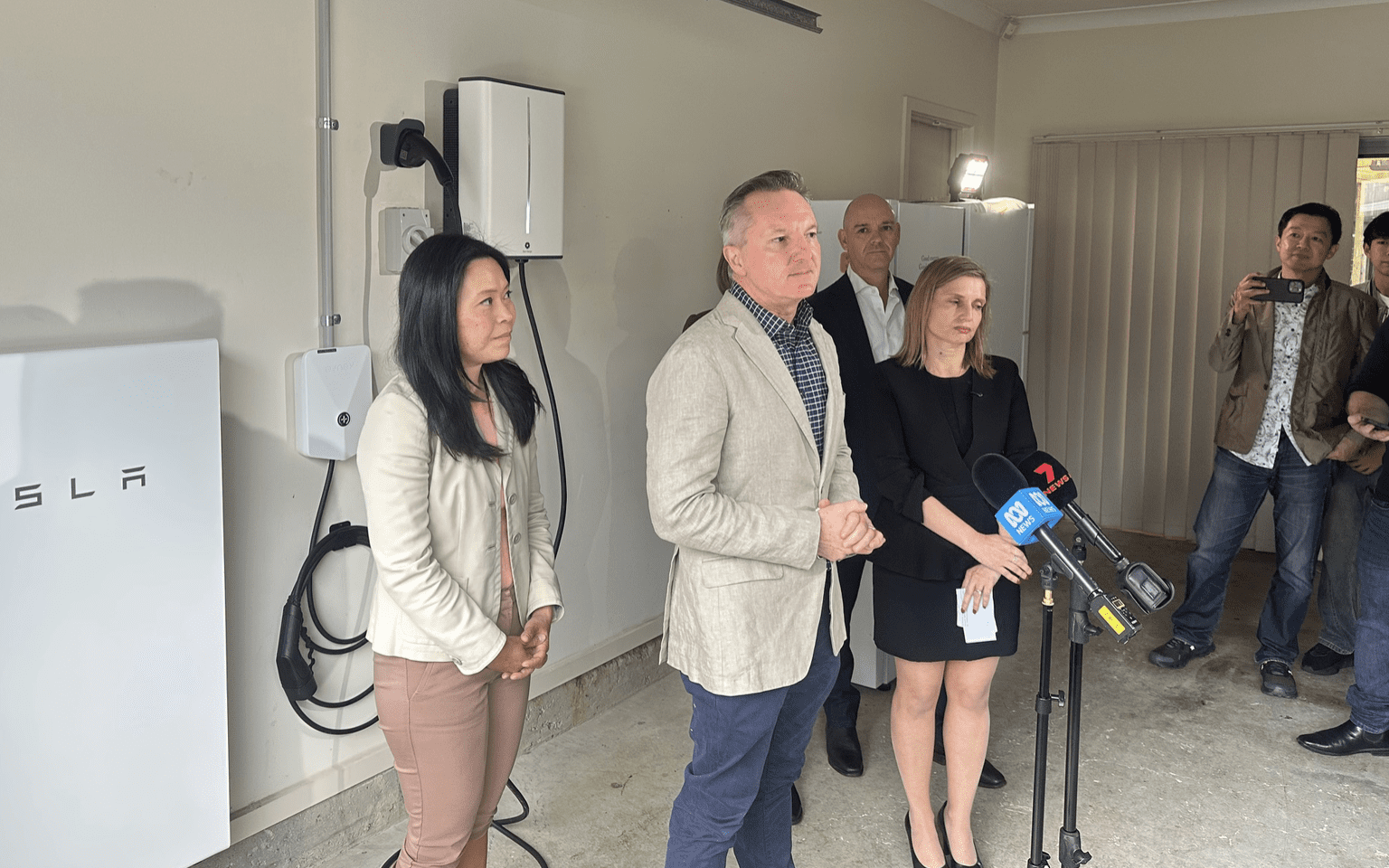
Bowen Announces 600,000 Cheaper Home Batteries Amid Calls for Safe Balcony Solar Deployment
Federal Energy Minister Chris Bowen has cautioned that hastily advancing the approval of plug-in solar and battery storage for use in Australian apartments and rental properties could provide leverage to those resistant to the shift towards renewable energy. Nevertheless, Bowen reported a significant milestone, with Australian households now having installed over 600,000 Cheaper Home Batteries, reaffirming government commitment to collaborate with regulatory bodies to expedite the process safely.
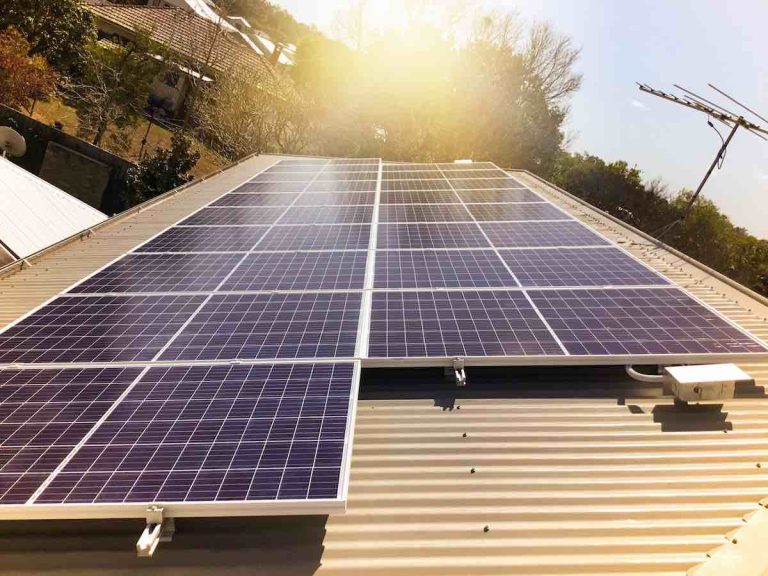
Plug-in solar technology, known as balcony solar in Germany where it gained popularity, has seen widespread adoption throughout Europe and the United States. This solution offers a cost-effective and straightforward means for apartment residents and renters to benefit from the savings associated with photovoltaic (PV) energy generation.
Safety Measures and Regulatory Framework
Despite the technology not being legal in Australia yet, a consensus was reached among federal and state energy ministers in September to investigate avenues for its safe introduction. They pledged to identify crucial measures enabling its secure implementation and to provide updates later in the year regarding subsequent steps.
Western Australia has taken the lead by launching a consultation aimed at establishing safety standards, aspiring to be the first Australian jurisdiction to legalise these innovative portable energy systems.
Importance of Safety Standards
During a recent webinar hosted by Solar Citizens, Bowen expressed his support for WA’s initiative but emphasized the necessity of thoroughly addressing safety standards. He assured attendees of his dedication to work diligently towards a swift resolution while underscoring the importance of not compromising safety. “There are various elements we need to navigate carefully,” he stated, insisting that cutting corners would be irresponsible and a disservice to those relying on government oversight.
Bowen noted the scrutiny faced by the Cheaper Home Batteries initiative from mainstream media and political rivals. However, he celebrated the programme’s continued success, recently surpassing another significant installation milestone, having achieved over 600,000 units since its inception in July 2025.
Global Context and Regulatory Success
He highlighted Australia’s position on the global stage, noting that it now ranks second worldwide for home battery installations, surpassing major players like China, India, and the United States, trailing only behind Germany.
Bowen attributed this success to the stringent regulations in place, which have ensured that the rollout remains safe and efficient. “We owe it to our citizens to uphold these standards and ensure that detractors cannot use any failures as fodder for criticism,” he remarked.
Reflecting on international examples, Bowen pointed out that the popularity of plug-in solar and batteries abroad evolved after extensive efforts to create appropriate regulatory frameworks. “Germany took six years from announcement to execution,” he elaborated, reassuring that Australia would not face such delays under his watch while recognising the depth of challenges that remain.
Additionally, Bowen indicated the necessity to consider the compatibility of plug-in solar installations with older properties and the essential safety protocols that must be adhered to, including circuit loading and professional installation standards. He stressed the importance of thorough assessments around fire risks and the integrity of installations, particularly ensuring that solar panels are securely mounted.
He concluded by promising further announcements before Christmas and updates throughout the following year, as efforts progress towards safely implementing plug-in solar and battery systems in Australia.