Australia’s Green Energy Transition: Successes and Challenges
The Australian Energy Market Operator’s recent Connections Scorecard highlights significant achievements in the nation’s energy sector over the past year, showcasing unprecedented levels of capacity reaching full output on the main grid and an expanding array of projects in the development pipeline.
However, the report also underscores the mixed outcomes in Australia’s green energy transition. While battery storage is thriving and solar-battery hybrid projects are gaining traction, the current pace of new wind and solar capacity installations falls short of the ambitious renewable targets set for 2030, as well as the planned closure of coal-fired generators.
Capacity Achievements and Challenges
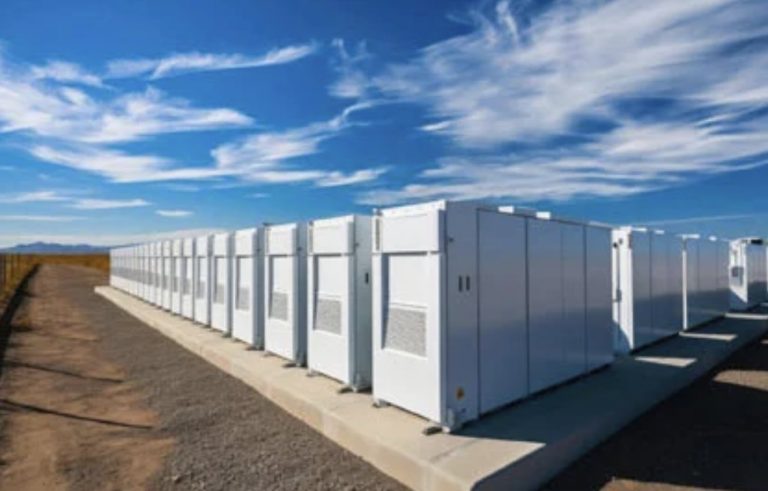
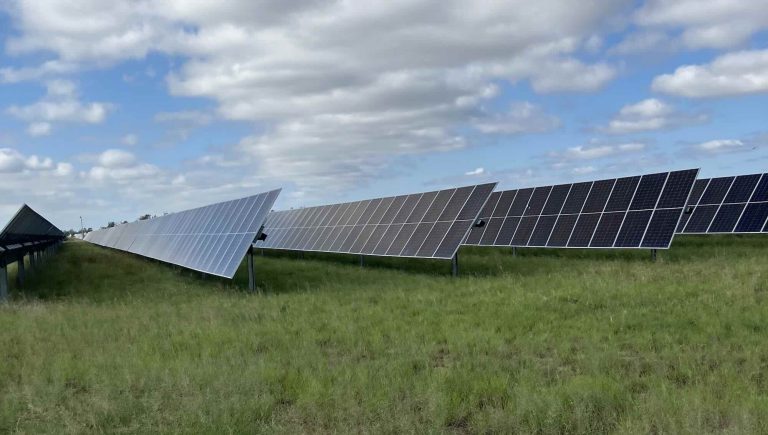
AEMO reports that a record 9.1 gigawatts (GW) of new generation and storage capacity reached full operational status during the 2025/26 financial year, more than doubling the previous year’s figures. This is a notable accomplishment, yet it’s important to point out that over half of this, precisely 5 GW, comprises large-scale battery systems. In contrast, the addition of less than 4 GW from new wind and solar resources is insufficient for meeting the federal government’s goal of achieving 82 per cent renewable energy by 2030.
Investment Trends and Applications
Despite the shortcomings in new installations, there is a glimmer of hope on the horizon. Investment in wind energy, previously hindered by rising costs and planning hurdles, is on the rise. Margarida Pimentel, AEMO’s general manager for Onboarding and Connections, noted that the organisation has received a record 12 applications for wind projects this year, totalling 5.2 GW. This has contributed to a dramatic increase in overall capacity applications, which have more than doubled from last year, now standing at 75.4 GW.
However, it is worth noting that the total approvals for registrations and applications have decreased to 7.4 GW and 14.2 GW respectively. Battery storage continues to dominate, while wind and solar energy project approvals remain critically low.
Delays and Roadblocks in the Process
In previous years, delays in projects were often attributed to the connections process. Pimentel has indicated that the current slowdown is largely due to changes in project designs and equipment, which necessitate additional assessments. Additionally, issues like project sales and challenges related to financing can prolong the registration process.
Challenges such as planning issues and congested supply chains remain significant, but energy market analysts highlight that the primary barrier has been the difficulty in securing firm contracts, with many utilities or corporate buyers hesitating to enter the market.
The federal underwriting agreements offered through the Capacity Investment Scheme, along with state schemes in places like New South Wales, have not been sufficient to foster necessary project development, particularly without the support of corporate or utility buyers.
Utilities may be reluctant to support new capacity projects as their coal-powered generators continue to be compensated to remain operational longer in the absence of adequate new renewable resources.
Seeking New Opportunities and Adjustments
There is optimism that data centres might emerge as significant buyers, although this remains uncertain at present. Meanwhile, various renewable tenders are being revised to enhance their appeal to project developers and ensure sufficient financial viability, allowing projects to progress to financial closure without guaranteed buyers.
According to the Connections Scorecard, the typical duration for the proponent implementation phase has extended from 14 months to 18 months, with one third of projects currently stuck in this stage for over two years. Battery projects continue to lead in the pipeline, representing 52% of the total capacity and demonstrating the quickest progress through the development process.
The Role of Hybrid Technologies in Future Development
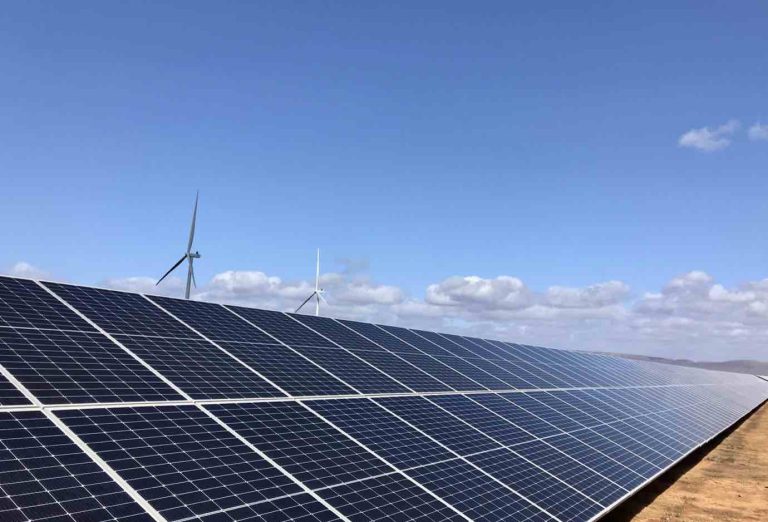
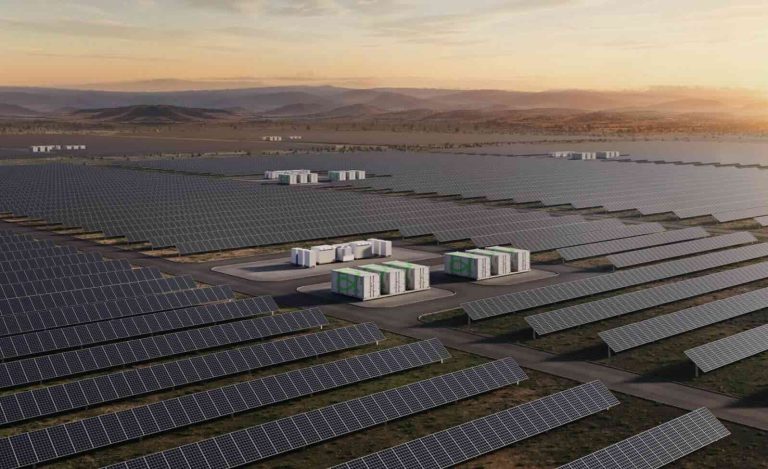
AEMO also observed a notable increase in applications for solar and battery hybrid projects, with 4.3 GW submitted during FY26. Furthermore, 2.4 GW of solar initiatives initiated or completed processes to incorporate battery energy storage systems (BESS), indicating a rising interest in merging affordable renewables with adaptable storage solutions.
Pimentel emphasised the importance of these technologies in facilitating a diverse energy resource mix essential for Australia’s energy transition.