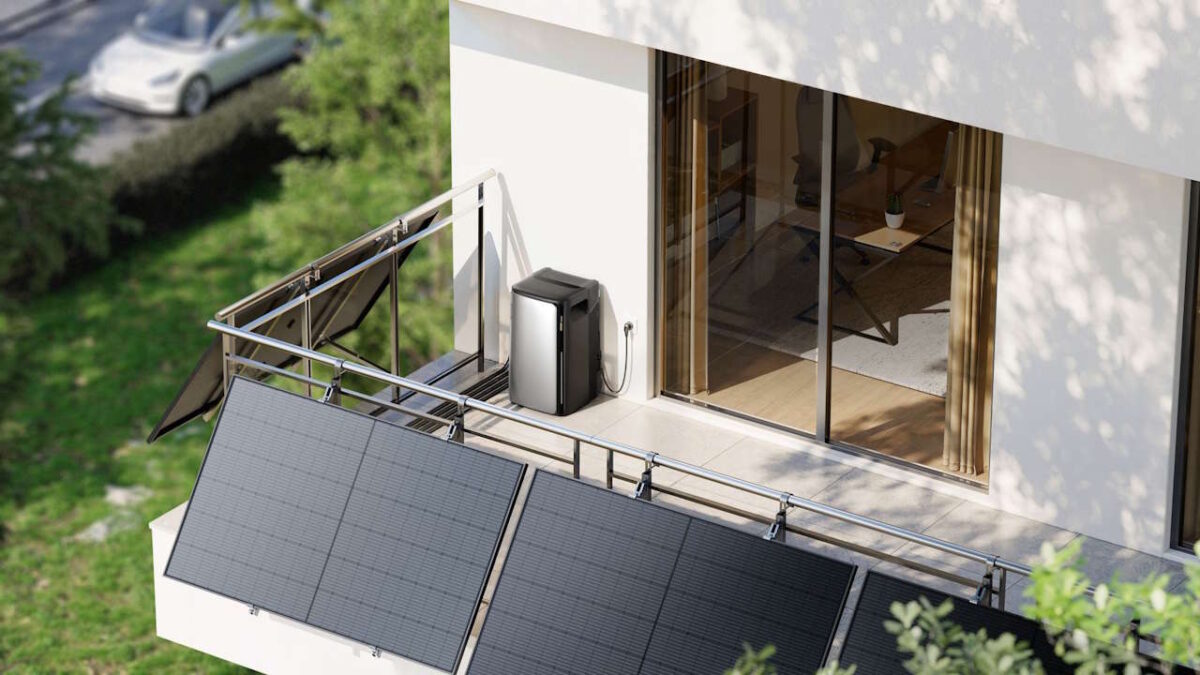
Affordable Solar Solutions for Renters: Legalizing Plug-in Solar and Batteries
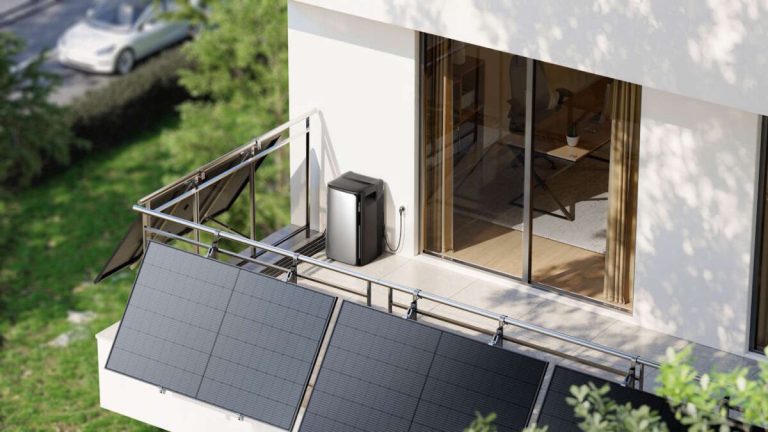
The announcement from Western Australia’s Cook government, led by Minister Amber-Jade Sanderson, marks the beginning of discussions regarding a technical standard and the pathway for legalising plug-in solar and battery systems. Currently, homeowners are not allowed to connect generating devices to a standard household socket.
A recent article in Renew Economy highlighted the advantages of portable solar and battery appliances, particularly for renters who wish to own and safely utilise such equipment as they move. This initiative provides a significant opportunity for Western Australia to put these concepts into action.
Solar as a Sustainable Starting Point
For households that have adequate sunshine and space, solar energy should be an accessible option. The inclusion of battery storage should be a matter of choice rather than a necessity. When solar access is limited, battery systems may allow users to shift cheaper electricity from the grid into periods of high tariff rates, but it’s important to consider the costs involved in purchase, energy losses, and warranties, as storage systems do not automatically yield financial benefits.
Complementing portable devices, shared rooftop solar setups, communal storage, and community energy initiatives should coexist to meet various needs, as no single solution will be adequate for every property.
Ensuring Proportional Permissions
A crucial access reform involves creating a well-defined “no-modification” category for permission. Certified, removable appliances that can be safely used within private properties should not require explicit landlord approval, provided that no alterations such as drilling, facade attachment, or fixed wiring are involved. Establishing such protections within tenancy and strata agreements is essential.
Nonetheless, safety must remain a priority; unsafe installations that block exits or represent security risks cannot be accepted. Modifications to buildings and shared spaces would continue to require careful evaluation.
Network regulations should also be commensurate, allowing for a simplified process for certified low-power appliances, with the registration managed through suppliers rather than unique applications from each household.
Addressing Safety and Standards
Reduction of imports does not inherently diminish electrical risks; therefore, standards must specifically assess household circuits, protective devices, plugs, and their network connections. The UK’s certified plug-in solar framework offers a relevant example, but it is crucial that Australia tests its own systems and installations rather than relying solely on foreign guidelines that may not apply universally.
Smart Features for Portable Batteries
For a battery to effectively supply power to household circuits, it necessitates appropriate measuring and control capabilities to manage changing demands and prevent unintended power exports. A customer-authorised local meter interface should enable rapid and directional power measurements without tying consumers to a single supplier. Compatibility must be verified through testing rather than presumptions.
Standards ought to cover response times, expected behaviour in the event of communication failures, and permissible transient exports, rather than simply accepting an app’s default “zero-export” setting. Additional safeguards must be established to ensure that power during outages does not energise disconnected networks, along with protections for exposed plug-pins and independent backup operations.
Effective Consultation and Access
WA’s response in September regarding distributed energy data and connections advocates for interoperability, the sharing of customer-authorised information, and streamlined processes. These reforms should correlate with the plug-in pathway. Collecting essential information in one go is preferable, and requirements tailored for large systems should not be forced upon smaller portable appliances. Instead, participation in an aggregation service should provide genuine benefits rather than impose unnecessary conditions.
The next step involves releasing a timetable for implementation that encompasses certification, electricity regulations, tenancy, strata, and consumer protections. Trials should engage renters, social housing, older residences, apartments, and various meter types, ensuring inclusivity for households lacking reliable internet access. It’s vital to track actual savings, usability, relocation expenses, and performance during communication failures.
Products must transparently disclose realistic output, total costs, warranties, and repair viability. Assistance programmes should focus on households that are currently excluded, without resorting to costly credit options or unsuited equipment.
Ultimately, the goal is not merely to legalise a product but to facilitate consumers’ access to affordable, cleaner electricity. Western Australia has the chance to enable a better quality of life without necessitating detached housing ownership, thereby enhancing access to cost-effective, sustainable energy solutions.