AEMO: Batteries Transforming Power Prices and the Grid
The Australian Energy Market Operator’s chief executive, Daniel Westerman, has reiterated the transformative role that both large and small batteries play in reshaping electricity production and consumption within Australia’s primary grid, while also contributing to lower wholesale prices.
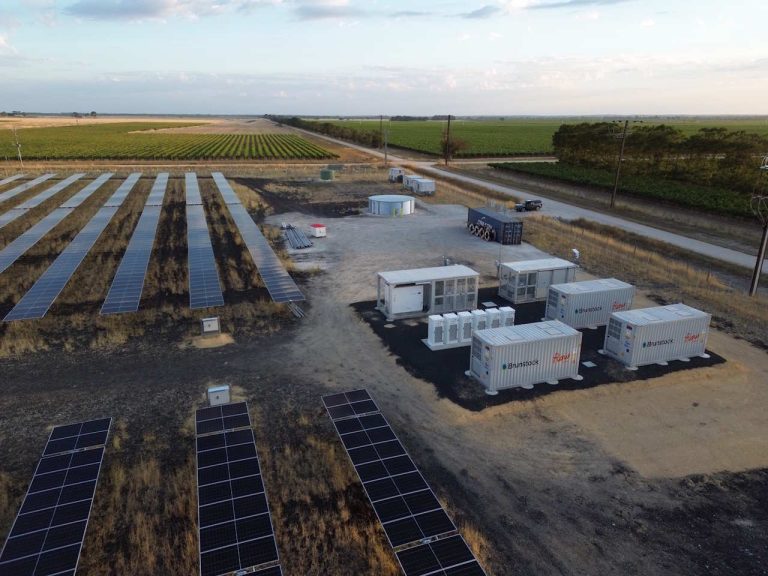
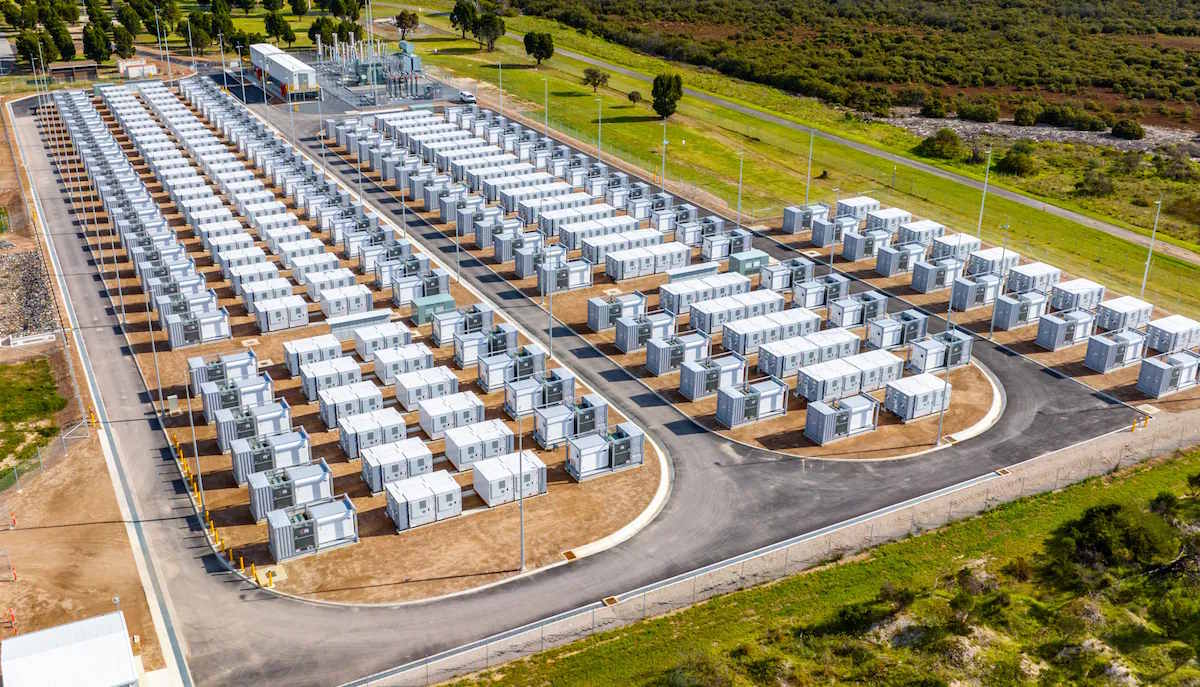
Westerman reported that grid-scale batteries helped set the wholesale price nearly 50% of the time during the September quarter, a significant rise from just 18% in the same period last year and 36% in the preceding June quarter.
Surge in Energy Absorption and Injection
He revealed that these large-scale batteries have tripled their energy absorption during daylight hours, reaching 13 gigawatt hours (GWh), with the majority – 11 GWh – being fed back into the grid during the evening peak, specifically between 4 pm and 9 pm. This period accounted for an average of 8% of total consumption during peak times.
“This contribution is surpassing that of gas-fired generation in meeting peak demand,” Westerman stated at an energy conference held in Sydney on Tuesday.
He added that grid-scale batteries are increasingly influencing electricity wholesale prices both during their charging and discharging phases. This has led to a reduction in both peak prices during the evening and the instances of negative pricing throughout the day.
“Across all NEM regions, wholesale prices for the quarter were lower,” Westerman confirmed, mentioning that a full report for the last quarter will be made available next week.
Impact of Federal Initiatives on Battery Adoption
Westerman also highlighted two vital federal policies: the home battery rebate and the “solar sharer” requirement, which have significantly altered consumer behaviour and contributed to a decrease in the electricity system’s costs.
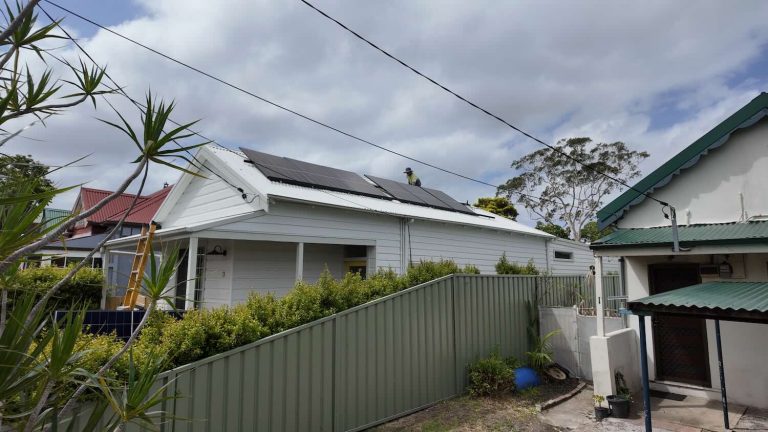
More than 700,000 household batteries have been installed across Australia, boasting a collective capacity exceeding 5 gigawatts and 16 gigawatt hours. This figure is projected to treble by 2030.
“The current behaviour of household batteries is quite remarkable and is making a significant impact on energy systems and markets,” Westerman noted.
Reduction in Grid Dependency
For several consecutive quarters, regardless of the season, households with batteries are reported to draw about 70-75% less power from the grid during peak times compared to those relying solely on rooftop solar panels.
This reduction in grid demand is decreasing the necessity for added generation, thereby lowering costs for all consumers.
Westerman also commented on the Solar Share initiative, where energy retailers must provide customers the option of free electricity between 11 am and 2 pm daily.
“At precisely 11 am each day, we observe a spike in electricity demand,” he said, noting that this increase currently stands around 360 megawatts across the National Electricity Market (NEM), with growth recorded in recent months.
Consumer Behaviour and Battery Automation
“The 11 am peak coincides with the beginning of free energy periods under specific tariffs, prompting many households to programme their battery charging, vehicle use, and appliance operation accordingly,” Westerman added.
“Although the exact figures may vary, we estimate that approximately 15-25% of home batteries may respond to these market signals in one way or another, while others choose to keep their batteries in passive mode, simply storing solar energy for evening use.”
Key Takeaways from Westerman
Westerman made three key points clear regarding battery ownership and use:
“Firstly, these assets are owned by customers, not the grid, meaning it is entirely up to each household to decide how best to utilise their battery.”
“Secondly, even when in passive mode, household batteries still contribute to reducing grid demand during peak hours, providing tangible benefits to all consumers.”
“Lastly, if we can craft appealing propositions to encourage more home batteries to react to market signals, the advantages for all consumers will grow further, and I know that many retailers are already exploring these propositions.”