South Australia’s Rise as a Rooftop Solar Leader
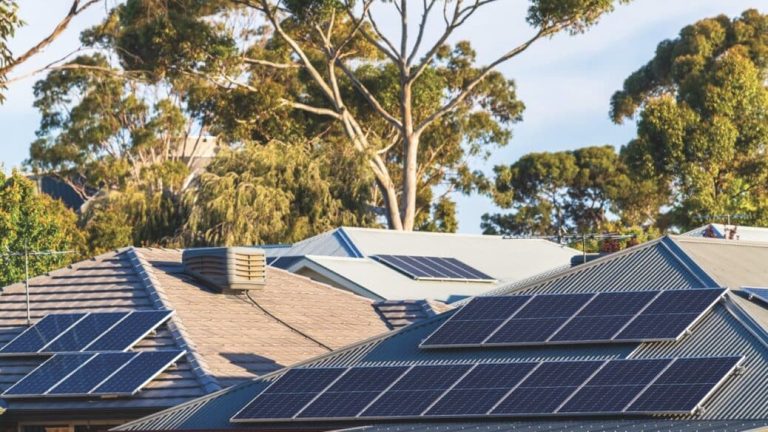
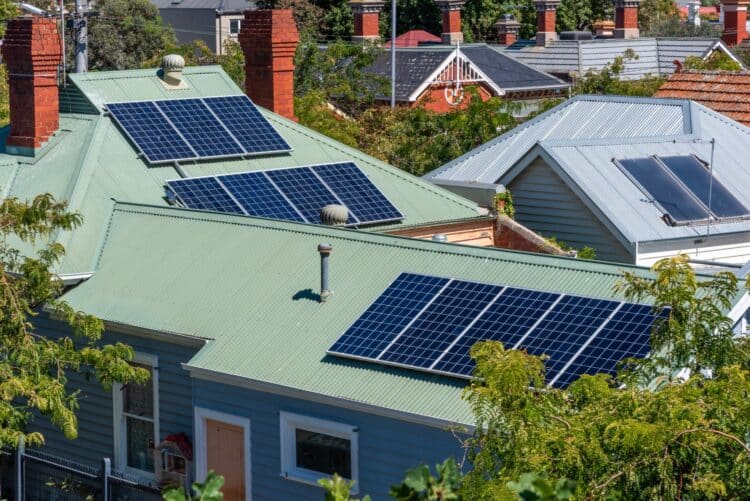
On Sunday, March 8, South Australia experienced a remarkable achievement in energy production, with the state being solely powered by rooftop solar for an extended period.
During this time, solar energy accounted for over 100 per cent of demand multiple times, peaking at 114 per cent at 1:35 pm, wherein rooftop solar contributed 108.5 per cent and wind energy added 5.5 per cent to the mix. However, this success came with a caveat, as 500 megawatts (MW) — or 29.7 per cent — of potential utility-scale solar generation was curtailed, alongside 295 MW, which is 17.5 per cent of the wind capacity, illustrating a self-sufficient yet unbalanced grid where surplus energy was wasted.
Significant Milestones in Renewable Energy
This incident marked the 18th occasion when rooftop solar had successfully met 100 per cent of South Australia’s electricity needs, with the first occurrence dating back to Saturday, September 16, 2023. Such achievements signal the state’s notable investments in its distributed energy resources (DER), a commitment that began in 2004 under the leadership of then-Labor Premier Mike Rann. He set ambitious targets, aiming for 15 per cent of the state’s electricity to be sourced from renewables by 2014 and 26 per cent by 2020, compared to a federal goal of just 2 per cent by that same year.
Leading the Way in Renewable Initiatives
The government’s efforts to push for renewable energy were formalised through the Climate Change and Greenhouse Emissions Reduction Act of 2007, legislating a 20 per cent target to be achieved by 2014. In 2008, South Australia became the pioneer in Australia by introducing solar feed-in tariffs, allowing households to gain financial rewards for the surplus solar energy generated during the daytime.
The following year, the City of Victor Harbor capitalised on these tariffs by initiating the first council-led rooftop solar bulk buy scheme, which provided an added incentive for residents to install solar panels. By banding together, local residents could procure photovoltaic systems at a more reasonable price than if purchasing individually.
Subsequent initiatives also contributed to the growth of DER in South Australia. In 2019, Liberal Premier Steven Marshall set an ambitious objective to achieve 100 per cent net renewable energy generation by 2030. However, this target was accelerated in 2024 when Labor Premier Peter Malinauskas moved the date forward to 2027.
Looking ahead, South Australia is set to further its renewable energy goals, with projections indicating that the state could reach 100 per cent net renewable energy generation for an entire week in December 2025, driven largely by rooftop solar installations.
To stay informed on the energy transition, subscribe to Energy and uncover everything you need to know about this vital shift.