South Australia Delays 100% Net Renewables Target, Households Not to Blame
Tom Koutsantonis, the energy minister for South Australia, has indicated for the first time that the state might not meet its ambitious goal of achieving 100 per cent “net” renewables by the end of 2027 as originally promised. However, he reassured that any delay of a year or two would not significantly impact the overall objective.
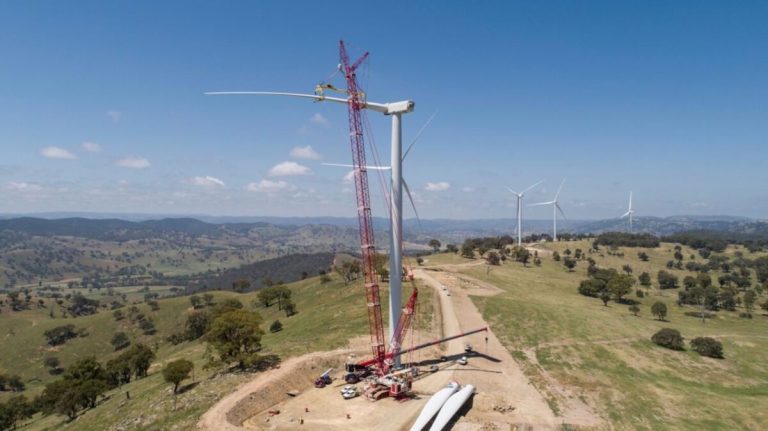
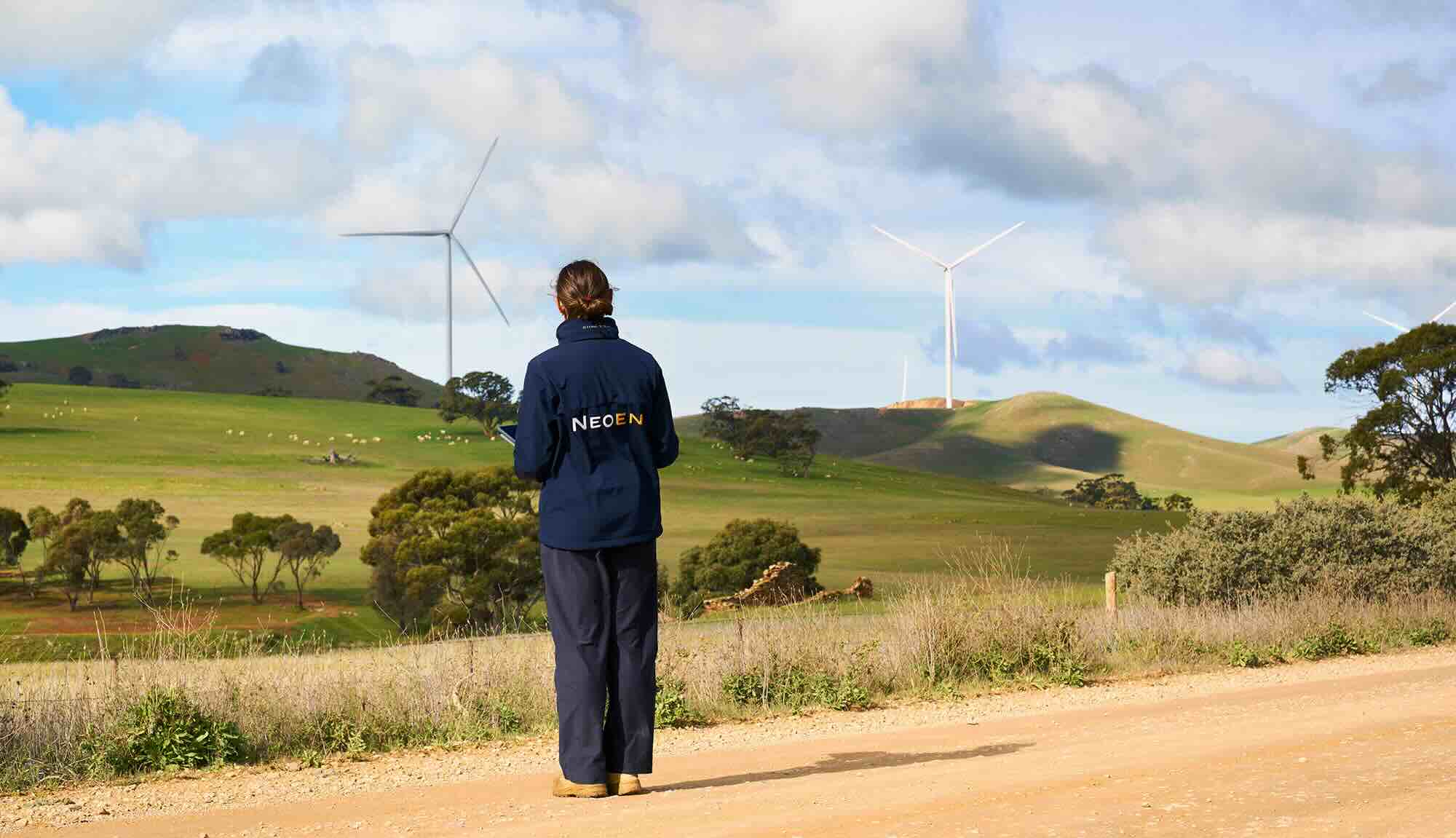
This week, Koutsantonis addressed the target following a ceremonial event marking the start of construction for the 288 MW Palmer wind project, coinciding with the announcement of construction commencement for the larger 346 MW Goyder North wind project alongside a substantial battery installation.
“If someone had told me in 2022 that we would reach 75 per cent by 2025, I would have smiled,” Koutsantonis remarked. “I am confident we will achieve 100 per cent, but the crucial question is when during 2027 it gets accomplished. If we overreach a little into 2028, that’s fine. The ambition is what truly matters, and it is this ambition that steers the government’s agenda. Our goal is to demonstrate to the world that it’s feasible to operate a stable system with 100 per cent net renewables.”
Current Standing of Renewable Energy in the State
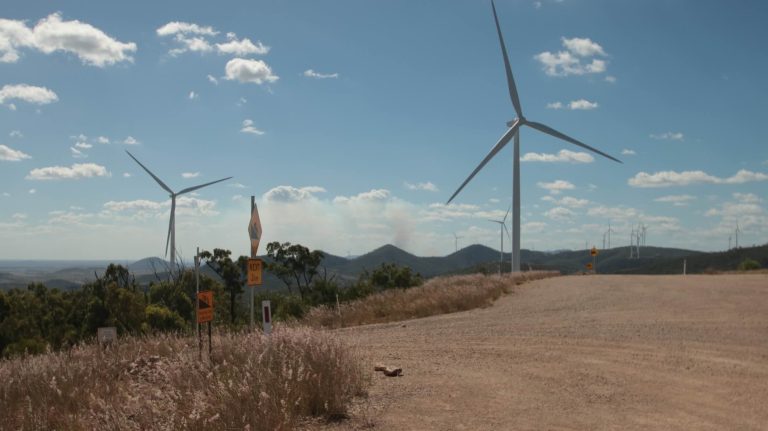
Indeed, this perspective holds merit. South Australia has maintained an impressive average of 70-75 per cent renewable energy for several years. This is noteworthy considering the state lacks hydro or geothermal resources, relying solely on variable wind and solar energy complemented by battery storage and existing gas generators.
The initial aim for reaching the 100 per cent net renewables target was established by the prior Liberal government in South Australia when there existed bipartisan support for renewable initiatives—a rarity in some regions of Australia today.
The Shift in Energy Policy
Both the Liberals and Labor understood that South Australia’s economic future was tied to a renewable energy grid, particularly after the closure of the last coal-fired power station a decade ago. Initially, the target was set for 2030. However, Labour, upon regaining power in 2022, expedited this goal to 2027.
A significant challenge lies in the fact that the construction of large-scale renewable projects has lagged since then. While several substantial batteries have been installed, the graph from Rystad Energy reveals that no new wind farms commenced construction in 2023, 2024, or 2025. The only significant project completed since 2020 has been the 412.5 MW Goyder South wind farm, the largest in the state.
Compounding the issue is the delayed development of Project EnergyConnect, an 800 MW transmission link to New South Wales, which has faced setbacks due to budget overruns and delays on the New South Wales portion of this major transmission project.
Looking Ahead with Key Projects
Palmer and Goyder North, in addition to the 257 MW Carmody’s Hill wind project that commenced construction earlier this year, are expected to bring the state closer to the 100 per cent net renewables target. Nonetheless, these projects are not anticipated to be fully operational before the end of 2027, with Goyder North likely not achieving full commercial output until 2029.
Project EnergyConnect will facilitate a greater export of excess wind energy to neighbouring states, which may subsequently reduce curtailment and enhance the share of renewables in the state’s energy mix. A potential beneficiary of this development could be large-scale solar energy, which has faced curtailments due to the simultaneous power generation from household solar systems. However, uncertainty remains regarding how the intricate bidding and trading mechanisms will adapt with the new transmission line.
Household Solar Achievements
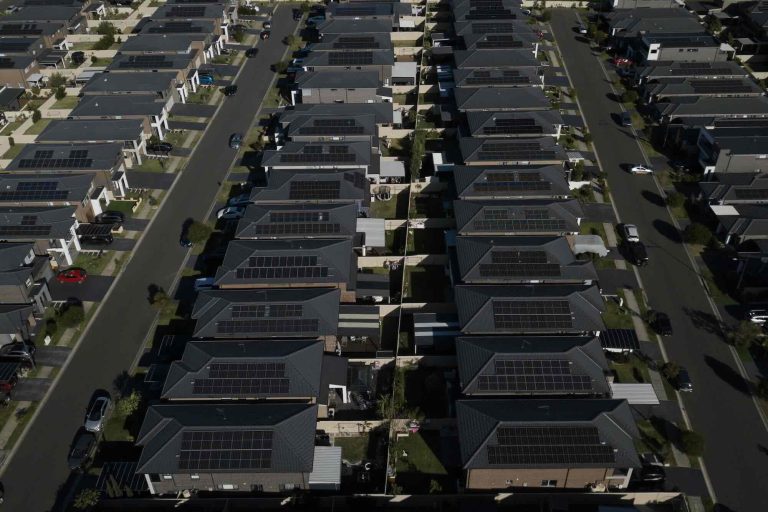
Despite slowdown in large-scale projects, rooftop solar technology has seen continued growth, with South Australia now boasting the highest adoption rates in Australia, possibly even globally, as around half of all households generate their own power.
This impressive shift has been bolstered by the success of the federal home battery rebate, making it less challenging to manage the midday energy demand from the high levels of rooftop solar. Now, this issue is alleviated by battery storage and ‘dynamic’ connections.
According to Rystad Energy’s insights, state households now stand as the primary source of energy generation, with rooftop solar contributing more power than the three largest independent electricity companies combined, even surpassing all remaining gas-powered plants in the region. Last year, rooftop solar was responsible for 22 per cent of the total state electricity demand, fulfilling 100 per cent of local consumption on 78 occasions, as reported by the Australian Energy Market Operator.
Future Prospects and Challenges
While renewable energy output is progressively increasing in South Australia, Koutsantonis highlights that demand is also rising. Between 2022 and 2025, wind and solar generation surged from 9.7 terawatt hours to 11.4 terawatt hours, driven predominantly by rooftop solar, which saw its output increase from 2.2 TWh to 3.4 TWh.
If not for the curtailment and the limitations in transmission, the actual share of wind and solar could have considerably exceeded 80 per cent over the last two years. Interest remains high regarding the subsequent developments as the new transmission loop approaches full operational capacity.
Additionally, the rise in demand, spurred by population growth, electrification, and new industries attracted by South Australia’s nearing 100 per cent net renewables goal, complicates the renewable percentage equation.