Scaling Renewables in Australia While Protecting Nature
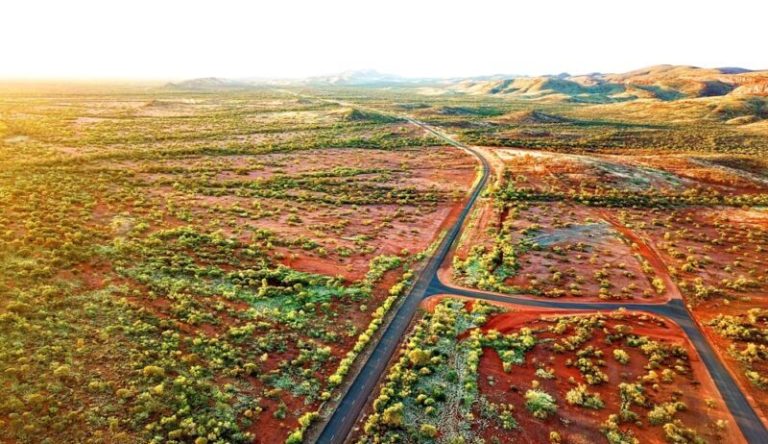
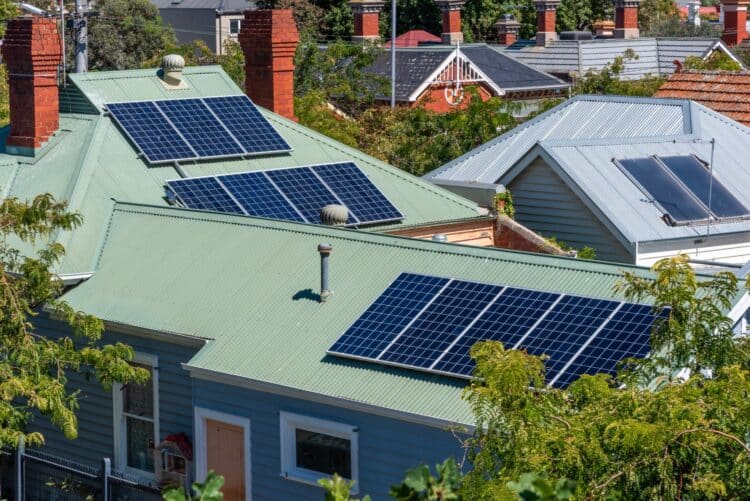
The integration of smart mapping and robust policies is crucial for accelerating the uptake of renewable energy in Australia while also safeguarding its endangered species. Achieving net-zero targets in Australia goes beyond simply expanding renewable energy; it necessitates a strategic approach.
The “Mapping Renewables for Nature” report, produced by the Australian Conservation Foundation (ACF) in collaboration with scholars from the University of Melbourne, underscores the need for renewable energy projects to be in harmony with both human and natural environments.
Protecting Flora and Fauna
This report places emphasis on the impact that clean energy projects can have on local flora and fauna, stressing the significance of effective siting—selection and planning of project locations—and innovative mapping techniques to streamline the deployment of renewable resources.
Recently, the Federal Government established a revised goal of reducing emissions by 62 to 70 per cent compared to 2005 figures by 2035, reinforcing the need for nature’s conservation in this transition.
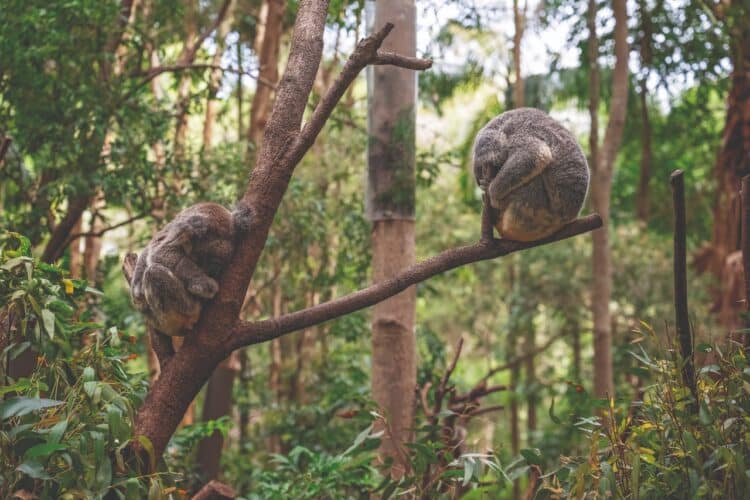
There are already pressing instances demonstrating nature’s exclusion. The report highlights that Australia has the highest rate of mammal extinction globally, with over 2,200 species currently listed as threatened, including iconic animals such as koalas, wombats, and various bird species.
New Government Reforms
In conjunction with the release of “Mapping Renewables for Nature,” reforms were introduced to the Environment Protection and Biodiversity Conservation (EPBC) Act, enhancing protections for natural habitats and forestry. ACF’s CEO, Kelly O’Shanassy, expressed support for broader forest protections, the establishment of a national Environment Protection Agency, and the discontinuation of fast-tracking for coal and gas projects.
She remarked, “For 25 years, loopholes enabling deforestation have tarnished this law. Today, we are closing those loopholes.”
Case Studies Highlighting Sustainable Practices
The report analyses three case studies in the regions of Gippsland, Victoria; Central West Orana, New South Wales; and Banana Shire, Queensland, illustrating how renewable energy can benefit communities while protecting at-risk plants and animals.
Opportunities in Gippsland
Known for its coal-fired power generation, Gippsland benefits from existing infrastructure. The report noted that situating new wind generation close to pre-existing powerlines can reduce the necessity for new ones and repurpose older coal assets for cleaner energy. This zone deliberately avoids high-value agricultural lands, biodiversity hotspots, and densely populated regions, reflecting input from the local community and ecological imperatives.
While Gippsland is already making strides in renewable energy, there is still room for improvement. The proposed Gippsland Shoreline renewable energy zone (REZ) must identify areas with optimal wind energy potential while minimising biodiversity impact. Significantly, the draft for the onshore zone occupies less land and has a lower count of threatened species compared to other studied areas, preserving habitats while enhancing energy output.
Combining Agriculture and Solar in Central West Orana
In the fertile Central West Orana region, which encompasses towns such as Dubbo and Mudgee across more than two million hectares, a dual-purpose solution—agrisolar—merges solar energy production with agriculture. Solar panels offer shade for livestock, mitigating heat stress and reducing soil moisture evaporation.
For instance, local farmer Tony Inder reported annual savings of around $450,000 by incorporating 5,000 grazing merino sheep across his two solar farms, resulting in increased wool yields by 20 per cent as the sheep enjoy the protection offered by the panels.
The Central West Orana REZ aims to preserve species like regent honeyeaters and koalas while utilising 70 per cent of the zone that has minimal conflict with key habitats. By steering clear of the most biodiverse terrains, a staggering 93 per cent of vital habitats can be maintained.
Potential in the Banana Shire
Although the Banana Shire is less suited to renewable energy compared to the Gippsland and Central West Orana zones—only 60 per cent identified as applicable—it still holds promising prospects for energy development without endangering vital species like brigalow forests and koalas.
Local councils and communities envision a 930km renewable energy corridor traversing central and western Queensland, with plans for a new transmission network to facilitate energy movement. This project showcases how regional populations can influence renewable infrastructure placements while ensuring that benefits extend to both humans and wildlife.
What Needs to Happen Moving Forward
These case studies highlight the boundless opportunities, although the ACF indicates additional efforts from government, industry, and communities are essential to protect biodiversity as the transition to clean energy accelerates. Funding for smart mapping will be crucial, ensuring energy developers adopt biodiversity mapping tools to avoid crucial habitats.
Industry stakeholders must also align their environmental goals with the Federal Government’s 30 by 30 initiative, which aims to conserve 30 per cent of both land and marine zones by 2030, alongside global commitments outlined in the Global Biodiversity Framework.
As one of the world’s 17 ‘mega diverse’ nations, Australia plays a critical role in the advancement of biodiversity conservation strategies. The ACF warns that communities need to actively support well-planned renewable projects and counteract misinformation campaigns against climate action.
The anticipated renewable energy shift could contribute approximately $89 billion to the economy and create nearly 400,000 jobs by 2040, provided nature is preserved. With the right planning and community engagement, Australia can lead the charge in combining climate action, wildlife conservation, and public empowerment.