Saul Griffith Advocates for Consumer Army in Energy Transition
Dr. Saul Griffith discusses his book ‘Plug In!’ and the role of households in Australia’s clean energy transition on the SwitchedOn podcast.

Dr. Saul Griffith discusses his book ‘Plug In!’ and the role of households in Australia’s clean energy transition on the SwitchedOn podcast.
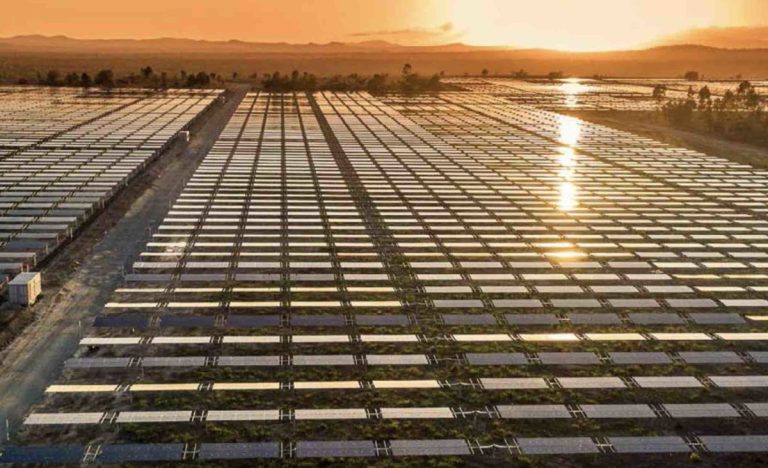
The Banana Shire Council aims to secure contracts from $40 billion in renewable projects, despite state government changes to energy targets.
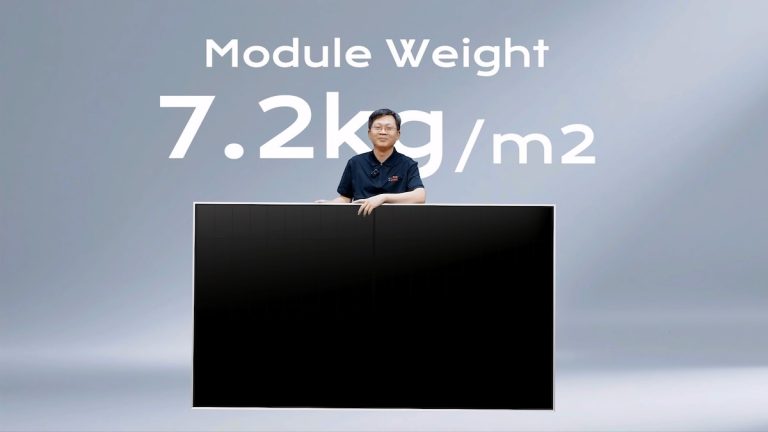
Longi’s new lightweight solar panel targets low-load rooftops, reducing weight and installation costs while maintaining high efficiency and reliability.
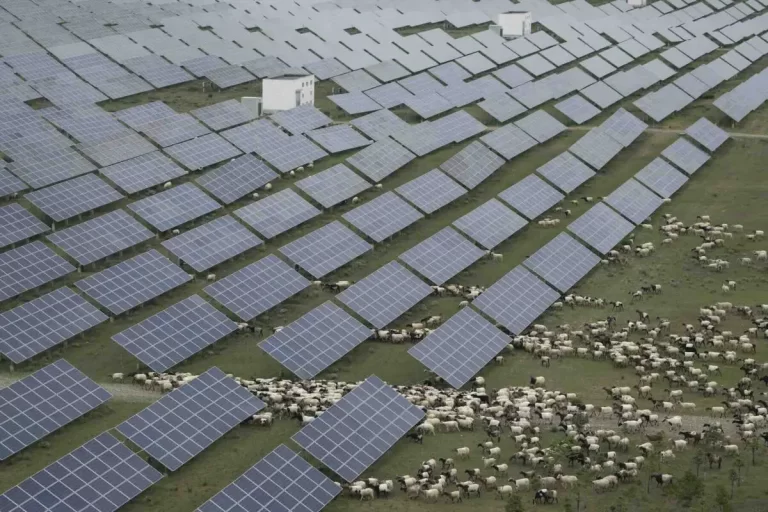
China unveils the world’s largest solar farm on the Tibetan plateau, showcasing innovative ecological practices and significant advancements in renewable energy.
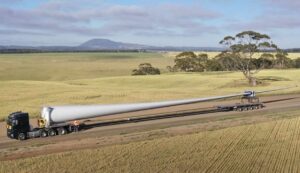
Banpu’s solar farms report losses due to poor weather and curtailment, prompting a shift towards battery storage solutions.

Ausgrid proposes a pilot to transform unused rooftops into solar hubs, benefiting 32,000 households while addressing decentralised energy challenges.

Ausgrid’s new pilot seeks to innovate energy networks, enhance solar access, and reduce costs for communities, promoting a cleaner energy future.
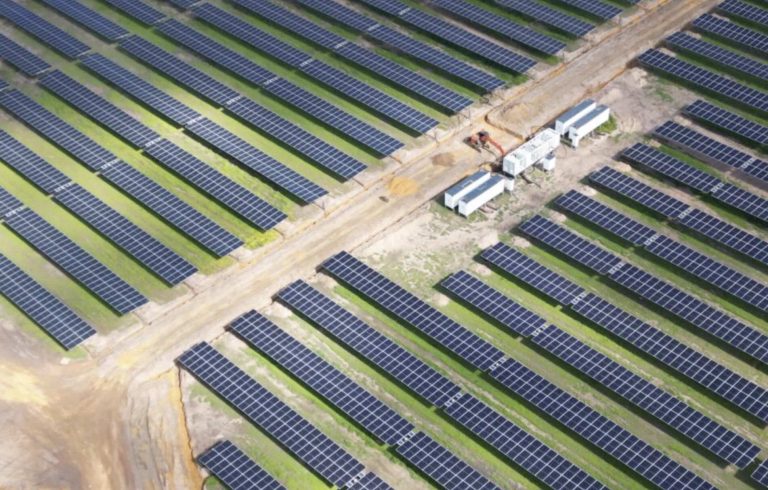
Australia’s first large-scale solar-hybrid plant optimizes energy storage and grid supply, enhancing renewable energy generation and profitability.

APA’s cyclone-resistant solar farm in Port Hedland showcases renewable energy’s potential, despite the company’s strong focus on gas infrastructure.

Victoria’s Ballantine solar farm and battery project receive expedited approval, promising significant energy generation and job creation in East Gippsland.
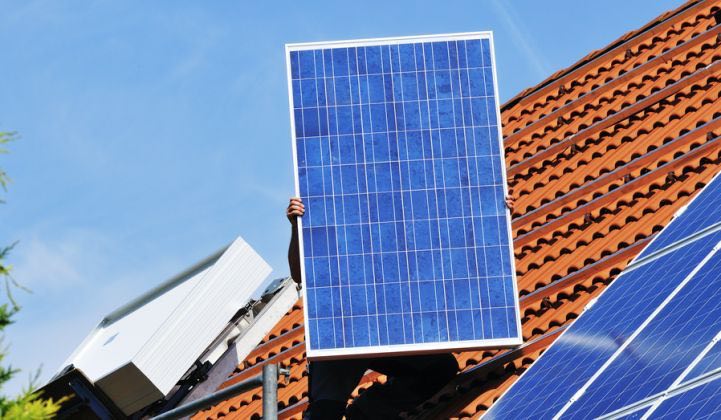
Australia’s Clean Energy Regulator has permanently banned Hello Solar from federal solar rebates due to misleading conduct and ties to previously suspended companies.
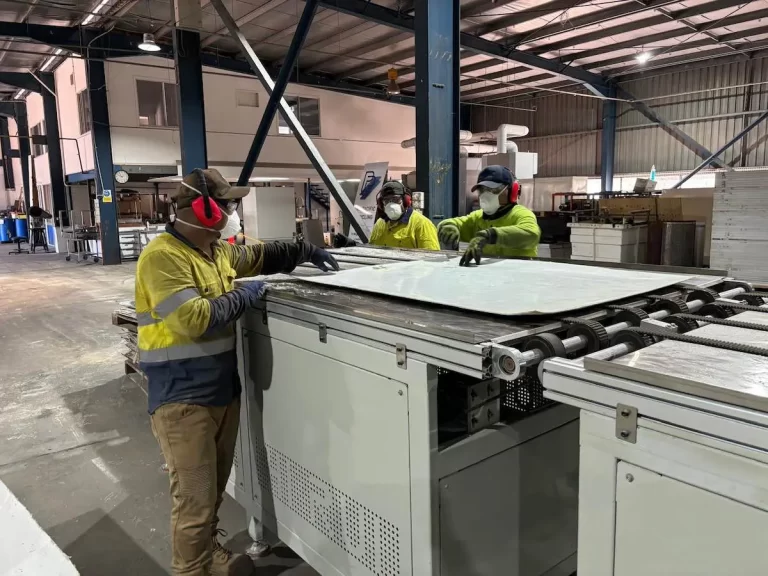
NSW energy minister pushes for solar panel recycling, addressing urgent waste management needs as investor fatigue grows amid lack of federal action.