Batteries and Solar Hybrids Lead Australia’s Renewable Energy Pipeline
Wind energy projects are declining in Australia, with batteries and solar hybrids dominating new connections to the grid.
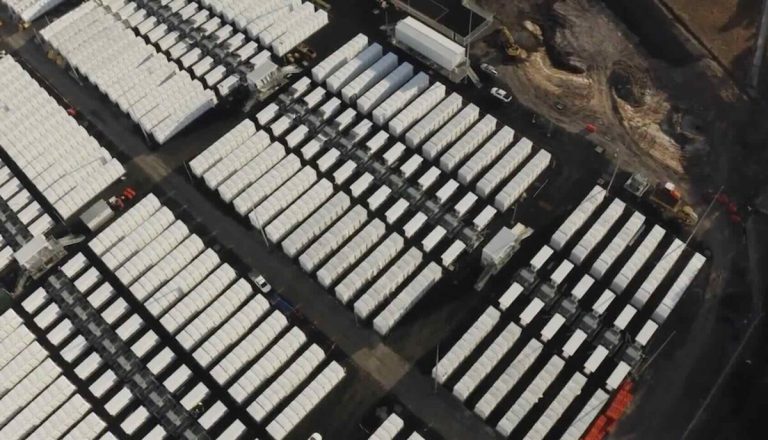
Wind energy projects are declining in Australia, with batteries and solar hybrids dominating new connections to the grid.
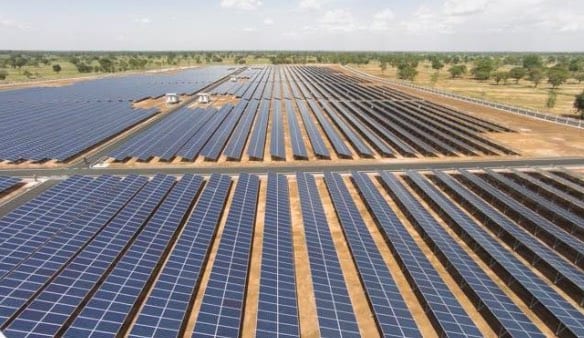
Australia’s renewable energy curtailment hits record levels, with grid solar offloading averaging 59% in South Australia due to economic factors.
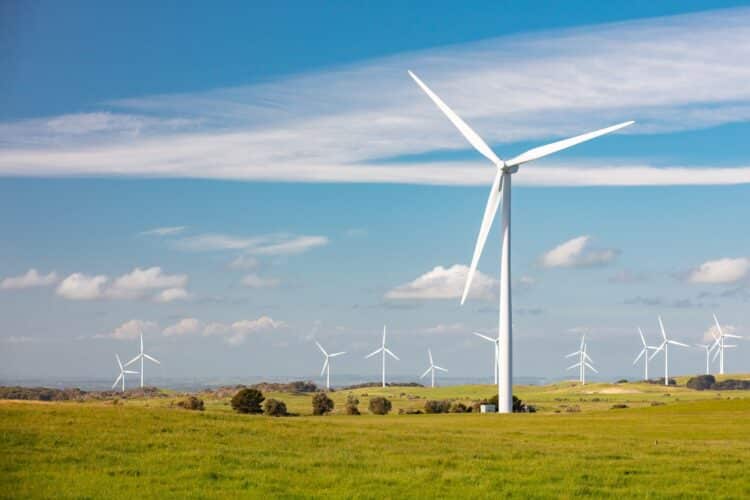
The latest AEMO report reveals renewables generated 51% of Australia’s National Electricity Market, driving down wholesale electricity prices significantly.
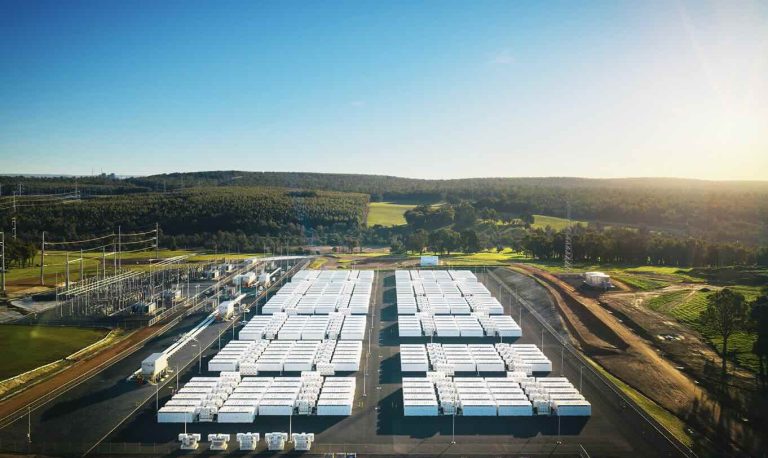
Western Australia’s isolated grid reaches a new renewable energy milestone of 91.1%, primarily from wind and solar, marking a significant shift in energy dynamics.
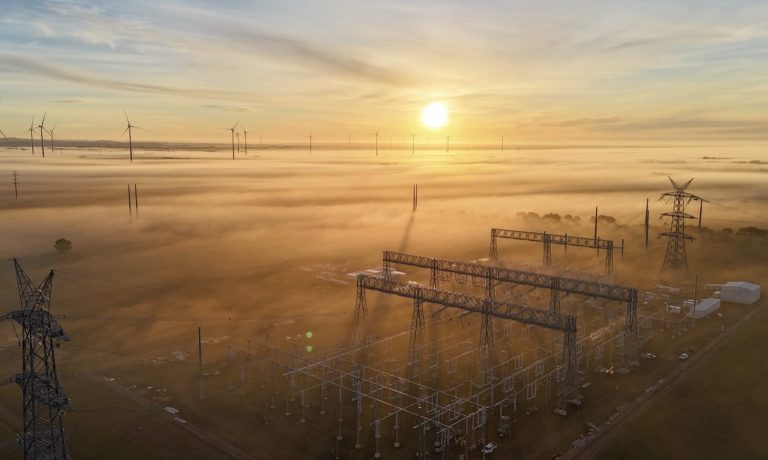
Wholesale electricity prices in Australia fell sharply as renewables met half of demand, with coal generation reaching a new low and battery output surging.
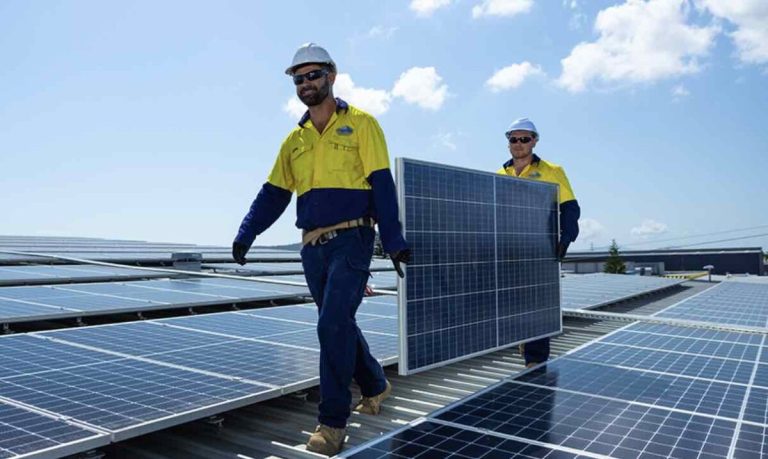
Labor’s Solar Share proposal introduces a 24 kWh cap on free power to prevent abuse by EV and home battery users.
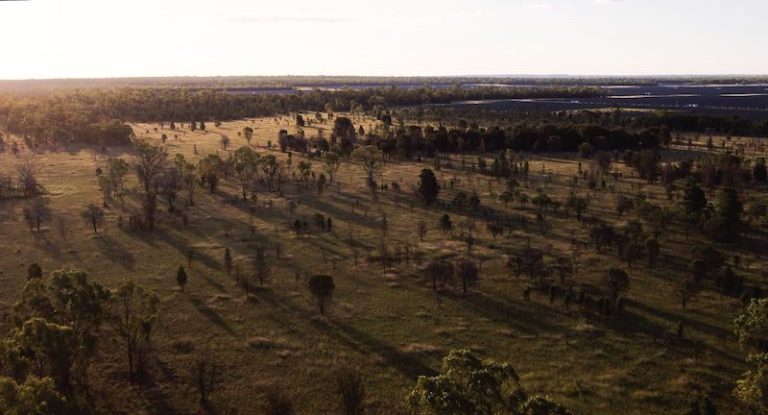
The Hopeland solar project aims for federal approval while implementing measures to protect koalas and other endangered species during development.
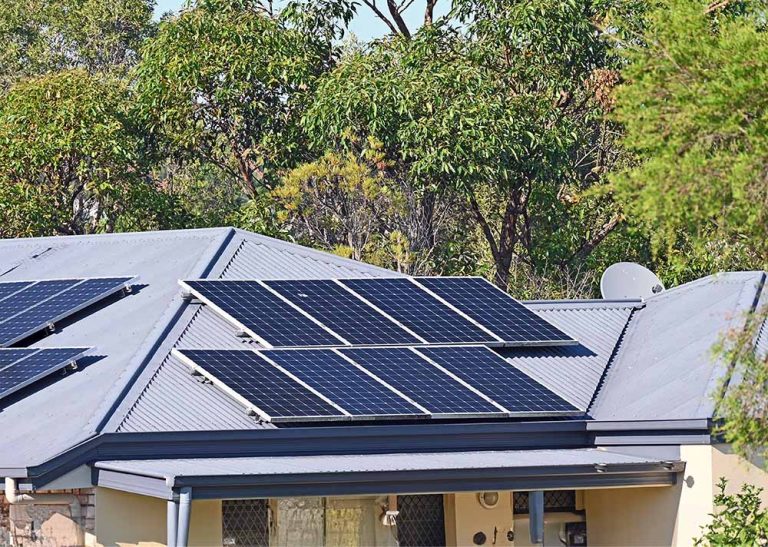
Households with rooftop solar systems are increasingly switching electricity providers to find better feed-in tariffs, according to Roy Morgan’s analysis.
New research reveals solar cells can self-repair UV damage, potentially lowering manufacturing costs and enhancing efficiency.

Australian scientists improve solar cell material efficiency, paving the way for cheaper, next-generation solar technology with stacked photovoltaic cells.

Gladstone attracts a $2 billion solar battery hybrid project, aiming to become Australia’s largest renewable energy facility, addressing local power needs.
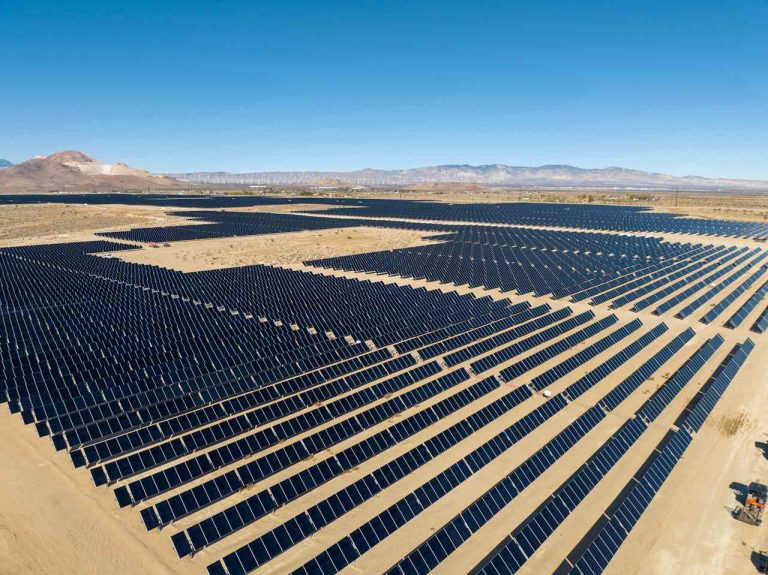
In 2025, solar energy contributed significantly to US electricity demand growth, showcasing its resilience against political challenges and increasing importance in energy generation.