New Green Bank CEO Emphasizes Support for Wind Projects Amid Funding Shift
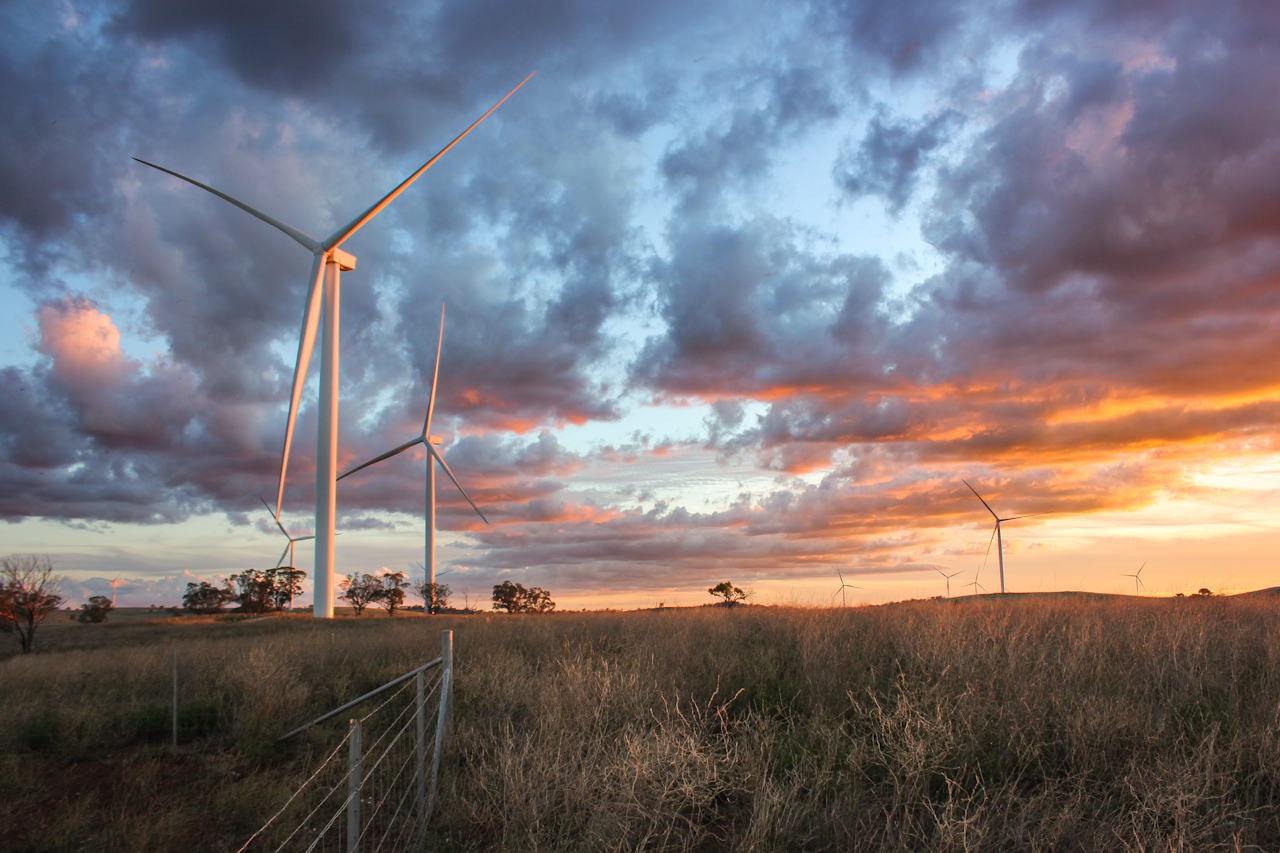
Australia’s Clean Energy Finance Corporation (CEFC) is set to pursue several agreements to revive significant wind farm initiatives within the next year, primarily in New South Wales and Queensland, according to Paul McCartney, who recently took over as chief executive.
Having previously served as the CEFC’s chief investment officer before succeeding Ian Learmonth four weeks ago, McCartney noted that ongoing conflicts and rampant “hyperinflation” in construction costs have compelled the CEFC to re-enter a market it had largely vacated.
Focus on Wind Projects
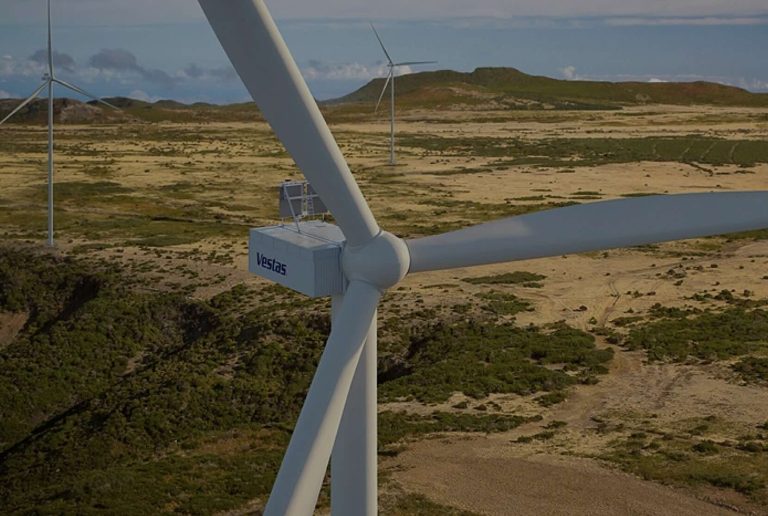
In an interview with Renew Economy on Friday, McCartney expressed optimism, stating, “In six to 12 months, I hope to see more than one announcement regarding our active support of wind.” He mentioned ongoing discussions about projects in Queensland and New South Wales.
Origin Energy’s CEO, Frank Calabria, recently described the financial viability of its proposed Yanco Delta wind project, which has a capacity of 1.5 gigawatts, as “challenging” despite backing from the federal capacity investment scheme. When asked if the CEFC might step in to assist the project, McCartney responded, “It could.”
Addressing Economic Challenges
The CEFC is ready to intervene in large-scale wind projects facing economic difficulties or mismatches in power purchase agreements, as highlighted by McCartney. He mentioned, “Wherever there are economic challenges, we are prepared to step in almost at the 11th hour to assist.”
Commenting on current financial strains, he emphasised the importance of the CEFC’s role, stating, “Recent inflation in supply chains and rising borrowing costs have created a significant need for our support.” Solutions could differ based on each project’s requirements, whether related to liquidity or economic pressures.
Record Investment in Wind Farms
This week, the federal government referenced statistics from the Clean Energy Regulator that highlighted a record of 1.1 gigawatts in new wind farms reaching final investment decision in the September quarter. However, this statistic obscures wind’s underwhelming performance in New South Wales, where only one wind farm has commenced construction in the last four years.
McCartney attributed part of this investment stagnation to capital expenditure issues and declining appeal among lenders for wind farm projects. He remarked, “There seems to be a general cooling in the sector regarding the appetite of commercial banks.”
Prior Contributions of the CEFC
Despite these challenges, the CEFC has remained active, particularly last year when its renewables team played a crucial role in ending the so-called “wind drought.” The bank’s $247 million investment in December marked a significant milestone, supporting three wind farms, including Carmody’s Hill in South Australia, all of which have since begun construction.
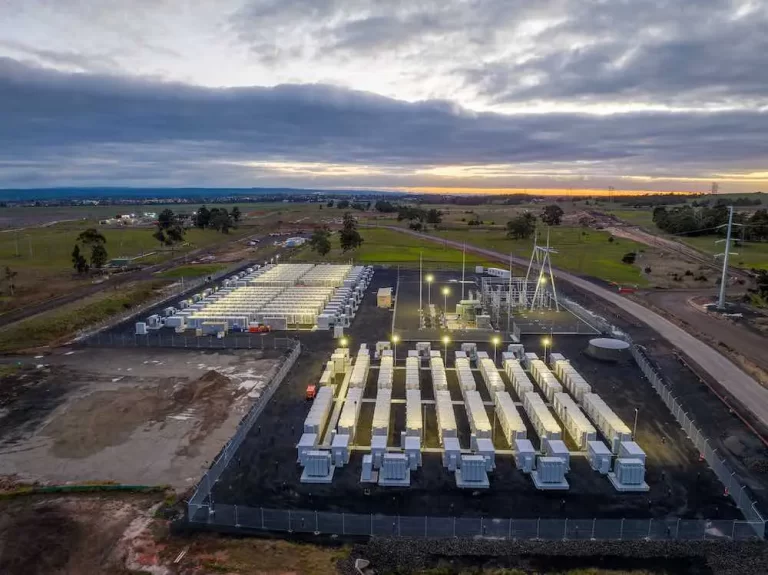
In its first eight years since establishment in 2012, the CEFC financed 12 large-scale wind farms and over 30 utility-scale solar projects. It also provided $50 million to launch Australia’s first major battery, the Hornsdale Power Reserve.
Diverse Renewable Energy Focus
McCartney noted that the CEFC could extend its support to solar farms or increased storage options, depending on market needs. He stated, “Do not interpret my comments as exclusively about wind; our aim is to enhance all renewables, but we are particularly focused on the well-discussed issues surrounding wind.”
Addressing solar energy, he acknowledged that without sufficient storage solutions, challenges persist. McCartney considered the CEFC a versatile body in the renewables sector, facilitating progress across a range of energy initiatives.
Support for Clean Energy Initiatives
An example of the CEFC’s adaptive role is its partnership with Snowy Hydro to provide essential clean energy for a $2.5 billion initiative aimed at extending the Tomago aluminium smelter’s operational life in New South Wales. McCartney expressed enthusiasm about supporting wind projects that could enhance Snowy’s efforts.
He commented, “Our role is to drive affordability in renewables and, with the Tomago project, we have an exciting opportunity to develop power purchase agreements to stimulate wind energy investments.”
Flexible Operations Amid Changing Environments
Further emphasising the CEFC’s versatility, McCartney mentioned the bank’s contribution to the $5 billion Marinus Link project, including modernising Hydro Tasmania’s ageing infrastructure. The upgrades aim to enhance water carriage systems, benefiting turbine efficiencies, and ultimately supporting the planned transmission connection across Bass Strait.
The CEFC is poised to adjust its internal structure following Learmonth’s departure, honing its focus on vital areas such as electricity, transport, and innovative consumer energy solutions, including virtual power plants.
Engagement with Electric Vehicles
McCartney noted that the uptake of electric passenger vehicles is progressing well, with a strong focus shifting towards commercial EVs and the necessary charging networks. On the home front, the bank’s initiatives aim to assist households with financing options for solar panels, batteries, heat pumps, and other electrification solutions, potentially saving families up to £2500 annually.
Furthermore, the current global surge in interest rates, driven partly by the AI and data centre investment wave, highlights the CEFC’s pivotal role in the market.
Summarising the bank’s significance, McCartney remarked, “With everything becoming progressively more expensive, our contributions are needed more than ever to facilitate energy transition efforts effectively.”