NEM Emissions Decrease 25% Since 2020
The transition to renewable energy sources in the National Electricity Market (NEM) is showing positive results, as the emissions intensity continues to decline with the approval, construction, and activation of new renewable energy generation projects.
According to an analysis of Open Electricity data by Windlab’s principal wind engineer David Osmond, the average emissions intensity for the NEM has decreased by 510 kg CO2-equivalent per megawatt-hour (MWh) over the past year. This marks a substantial 25 per cent reduction since 2020 and a striking 40 per cent decrease since 2015, incorporating emissions related to electricity imports.
South Australia Leads the Way
Leading the way in this shift is South Australia, where emissions intensity has fallen below 200 kg CO2-e/MWh within the last year. This achievement contributes to an impressive 28 per cent decline since 2020 and a staggering 68 per cent drop since 2015.
The significant reduction in emissions was particularly pronounced between February 2016 and February 2018, aligning with the closure of South Australia’s last coal-fired power station in May 2016, found in Port Augusta. In the most recent year, South Australia has sourced an impressive 64 per cent of its electricity from wind energy, 25 per cent from gas, and 7 per cent from solar, as reported by the Australian Energy Market Operator (AEMO), not including the impact of rooftop solar contributions.
Victoria’s Progress and Current Challenges
While Victoria remains the leading contributor to NEM emissions, with an average of just over 600 CO2-e/MWh as of February 2026, the state is making noteworthy strides in reducing its carbon footprint. In February 2010, the emissions average was just below 1200 CO2-e/MWh.
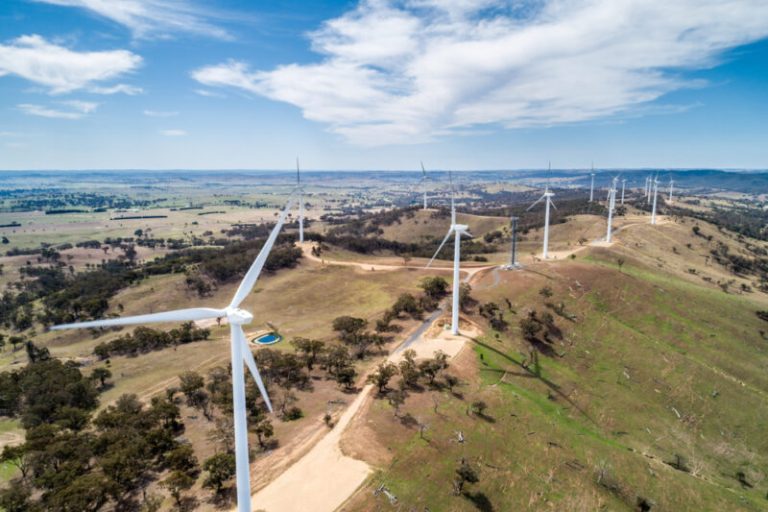
Despite this progress, Victoria still relies significantly on brown coal, which accounted for 60 per cent of its electricity generation in the past year. Wind energy made up 27 per cent of the total electricity generation, while solar contributed 5 per cent.
Queensland’s Slow Progress
Queensland has seen the least rapid decline in emissions intensity, with reductions of under 20 per cent since 2020 and below 30 per cent since 2010. Throughout the past year, black coal has constituted the basis of most of the state’s electricity generation, accounting for 70 per cent, while solar and wind contributed 12 per cent and 9 per cent, respectively.
For further insights from David Osmond, his data is available here.
Stay informed about the energy transition by subscribing to Energy, where you’ll find comprehensive information on this crucial topic.