Is Australia’s Renewable Energy Transition on Track for 2030?
The latest energy analyses delve into crucial statistics to assess whether Australia can achieve its aim of 82 per cent renewable energy capacity by 2030.
In 2025, the Australian renewable energy sector marked several milestones as the uptake of solar, wind, hydro, and battery technologies surged.
Significant Achievements in 2025
For the first time, over 10GW of clean energy generation was added to the National Electricity Market (NEM) last year, including the revival of pumped hydro after more than four decades, with Genex’s Kidston project bringing 2GWh online in November.
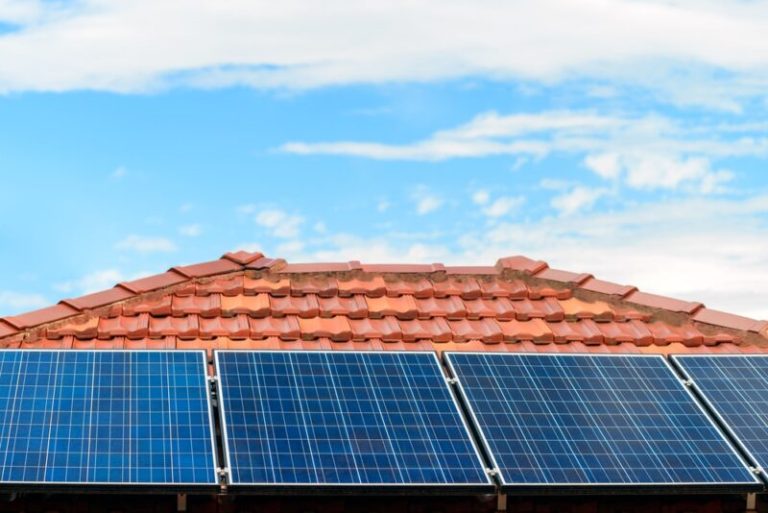
Renewable sources surpassed coal generation in a month for the first time in September 2025, producing 48.8 per cent of the total generation compared to coal’s 47.6 per cent. This trend continued from October through December. Additionally, the Cheaper Home Batteries programme celebrated a major achievement, reaching 200,000 installations since its launch on July 1, leading to a total of 4.7GWh of battery storage across households and small businesses. The government aims for two million installations by 2030.
New Developments in the Sector
Amid this energisation, Australia’s renewable energy landscape experienced growth with numerous project announcements, approvals, and groundbreaking activities. Rystad Energy’s senior analyst, David Dixon, provided insights into the key trends observed in the past year.
Data from Rystad revealed that in 2025, 130GW of new renewable energy capacity was announced, with 90GW specifically referenced in the NEM. Dixon noted that this trend aligns closely with historical activity.
He stated, “The level of development activities is consistent with what we have observed recently. While it’s not bearish, it’s essential to recognise that merely announcing capacity doesn’t equate to all of it reaching financial close each year. The development pipeline remains robust relative to actual requirements.”
Capacity Approval Highlights
In 2025, Australia approved 21GW of clean energy projects, with 19GW in the NEM, marking a significant 43 per cent increase from the previous year.
This included 8.4GW of utility batteries, with onshore wind contributing 6.9GW and utility solar at 2.6GW. Victoria led the approvals with 5.7GW, followed by NSW at 5.3GW and Queensland at 4.8GW. Dixon pointed out that larger project sizes are skewing the statistics: “While the renewable wind capacity figures seem high, they primarily consist of a few large projects rather than numerous smaller ones.”
Challenges Facing Wind Projects
Dixon noted that securing approvals for wind projects remains a complex undertaking despite a rise in approved capacity. “The wind energy sector faces stringent challenges. The costs associated with wind projects have surged, making the economics less favourable due to increased prices for turbine components and labour in regional areas.”
Despite these hurdles, Australia’s wind industry has seen a surge of activity recently, with several projects successful in attaining financial backing. Notably, the Clarke Creek wind farm received a substantial investment package in December, while the Kentbruck green power hub in Victoria is set to commence construction by 2026, pending final approvals.
Energising the Grid
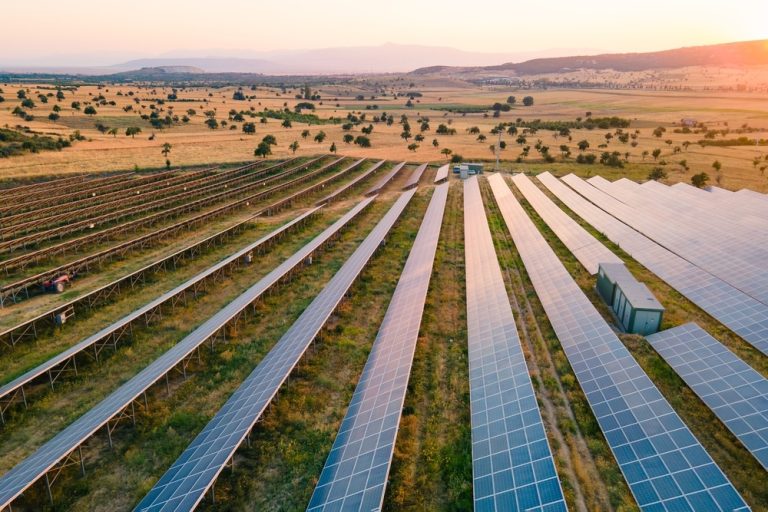
The NEM witnessed a remarkable 10GW of generation capacity coming online in 2025, primarily driven by utility-scale initiatives where utility batteries accounted for over 3.8GW. Meanwhile, the total contribution from solar was 1.4GW.
However, there were also disappointing figures. The amount of utility solar and wind energised fell significantly, marking its lowest since 2017. Rystad highlighted that the earlier mentioned home battery programme has significantly spurred domestic installations, thanks to its 30% upfront subsidy.
Future Targets
Despite ongoing optimistic sentiments about Australia’s renewable energy future, analysts express concern about meeting the lofty 2030 targets. Dixon commented that the current installation rate is inadequate: “The figures required for annual installations to achieve an 82% renewable energy rate are exceedingly high, and there’s no feasible pathway to meet them.”
According to the Australian Energy Market Operator’s (AEMO) recent Draft 2026 Integrated System Plan (ISP), predictions for utility wind capacity have been downgraded significantly. For instance, while the forecast for utility solar capacity showed an increase, meeting the goals will require a staggering pace of approvals and installations.
Rystad suggests a need for roughly 3.6GW of wind and 4.8GW of utility-scale solar installations each year to remain on track for the desired renewable electricity mix by 2030. These figures surpass historical achievement rates.
Development approvals represent a critical bottleneck, with wind projects averaging an approval time of 34 months compared to 18 months for solar. The Federal Government’s efforts to streamline the approval process are underway, including reforms to the Environment Protection and Biodiversity Conservation Act, aimed at expediting project assessments.
Dixon remains cautious, expressing scepticism about the potential impact of these reforms on regulatory outcomes, although the phased enactment of the revisions offers some hope for the future.
Nevertheless, while achieving the ambitious target of 82 per cent renewable energy by 2030 seems unlikely, he believes the renewable sector will continue to progress. The rooftop solar and household battery markets are expected to maintain their growth trajectory alongside wind and solar developments, illustrating a steady transition in Australia’s energy landscape.