Industry Response to AEMO’s Draft 2026 ISP
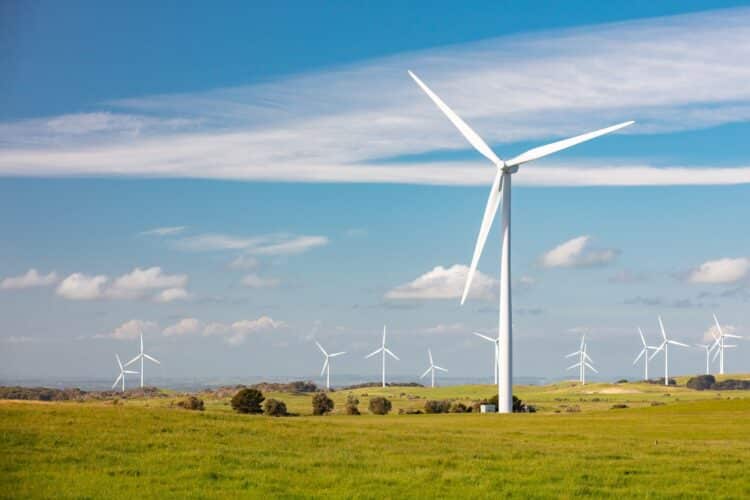
The Australian Energy Market Operator (AEMO) has laid out an ambitious plan to meet the nation’s 2050 energy targets, involving the installation of 120GW of wind and solar energy, alongside 40GW of grid-scale storage and hydro facilities, 14GW of flexible gas, and an expansive 6000km of new transmission lines.
This proposal was unveiled in AEMO’s Draft 2026 Integrated System Plan (ISP), which details the most cost-effective strategies for generation, storage, and transmission within the National Electricity Market (NEM) aimed at ensuring a secure and reliable electricity supply while adhering to government policies.
Consultation and Findings
AEMO reports that its roadmap has been developed through extensive consultation with industry participants and other stakeholders, balancing consumer needs, industry investments, and government policies. AEMO’s CEO, Daniel Westerman, highlighted that this plan reflects both current investments and the necessary actions as Australia’s remaining coal power stations become increasingly unreliable.
“Through thorough stakeholder consultation and the modelling of numerous investment scenarios, we have identified the least-cost option,” Westerman stated. “Renewable energy, bolstered by storage solutions, supported by gas, and linked with upgraded networks, remains the most economical pathway to addressing Australia’s energy needs, aligning with ongoing consumer, industry, and government investments.”
Future Energy Consumption and Coal Closure
Electricity consumption is anticipated to nearly double by 2050, spurred by the electrification of transport systems, the expansion of data centres, and an industrial shift from gas to electric power. The plan forecasts that approximately two-thirds of the existing coal fleet will be decommissioned by 2035, often ahead of their publicly stated retirement dates, with all expected to be phased out by 2049.
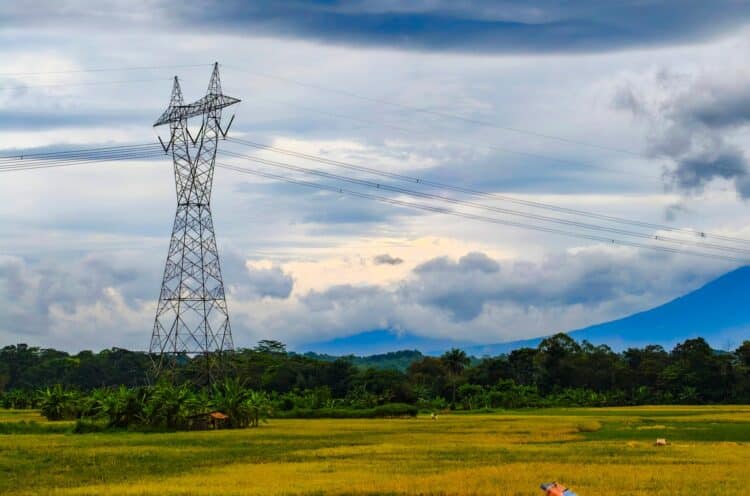
The proposed least-cost development path involves not only the installation of 120GW of grid-scale wind and solar technologies and 40GW of hydro and storage but also necessitates 14GW of flexible gas solutions. In addition, the current 44,000km of transmission lines will be expanded by 6000km.
Investment and Economic Benefits
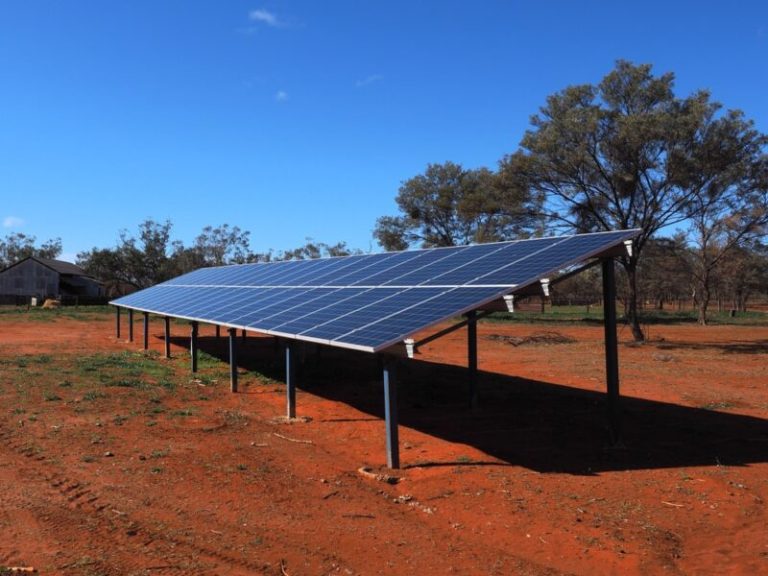
This investment in transmission infrastructure, estimated at around $9 billion, is expected to yield significant returns, saving consumers an additional $22 billion in avoided costs, alongside emissions reductions valued at $2 billion. The role of rooftop solar and home batteries is also expected to expand, with a projected 87GW of small-scale solar, 27GW from home batteries, and 9GW from electric vehicle storage anticipated by 2050.
Westerman commented on Australia’s leading role in rooftop solar deployment and the increasing adoption of home batteries and electric vehicles. He emphasised that if these technologies can respond effectively to market signals via their retailers, it could ultimately lead to a cost-effective power system for all.
Industry Responses and Future Focus
The energy sector quickly reacted to AEMO’s report, with many stakeholders reinforcing the urgency for investments in new transmission infrastructures to ensure consumers have access to lower-cost energy options. Energy Networks Australia (ENA) noted the importance of networks during this transition, acknowledging that AEMO’s current requirement of 6000km of new transmission lines represents a reduction from the previously stated need of 10,000km, while also reflecting the ongoing development of 2800km.
Dom van den Berg, CEO of Energy Networks Australia, remarked that the ISP confirms the essential role of networks as the backbone of the energy system, essential for integrating new sources of generation, storage, and customer-owned resources effectively.
Investment Plans for NSW
Brett Redman, CEO of Transgrid, emphasised that major transmission projects are critical as New South Wales (NSW) transitions to 90% renewable energy over the next decade. He pointed out that as ageing coal-fired generators shut down, it is crucial to facilitate efficient connections for new clean generation to the grid.
“AEMO’s confirmation of the importance of new transmission infrastructure helps keep pressure off consumer energy prices by enabling renewable energy to be transported from areas rich in resources to the urban centres that require it,” he stated. Projects such as the EnergyConnect interconnector, with a 95% construction completion rate, aim to enhance renewable energy sharing between NSW, Victoria, and South Australia.
Prospects for Projects and Community Engagement
Transgrid welcomes the Draft ISP’s recognition of distribution network investments, such as the Dubbo distribution project, which aims to feed generation and storage back into significant load centres like Sydney and Newcastle. Redman stressed the necessity for collaborative efforts across the industry to ensure successful navigation of the transition from coal to renewables in NSW.
In light of AEMO’s stress on the importance of social licence, Redman pointed out that early and sincere engagement with regional communities is essential for the successful planning and execution of infrastructure investments over the coming decade.
Embracing Renewable Solutions
In a united front, proponents of the Marinus Link and TasNetworks projects welcomed the ISP’s acknowledgment that renewable energy delivered via transmission and distribution investments presents the most economical solution to guarantee secure electricity access through to 2050. These initiatives are expected to save consumers $22 billion in avoided costs and achieve emissions reductions of $2 billion.
Stephanie McGregor, CEO of Marinus Link, confirmed that the project has reached a significant milestone, stating that it is now completely funded and has received essential environmental approvals. She highlighted the project’s importance in enhancing grid reliability and energy resource efficiency. With Marinus Link operational, Tasmania and Victoria stand to boost their electricity exchanges, leveraging Tasmania’s hydropower alongside Victoria’s wind and solar resources.
Dr Seán McGoldrick of TasNetworks reiterated the necessity of prompt action on initiatives like the NWTD project to ensure the affordability of energy in the future. Emphasising the direct correlation between energy abundance and pricing, he stressed that effective transmission projects are vital.
Looking ahead, the Draft ISP will be subject to public consultation before the final plan is released in June next year.