Cargill Unveils Large-Scale Renewable Energy Initiative
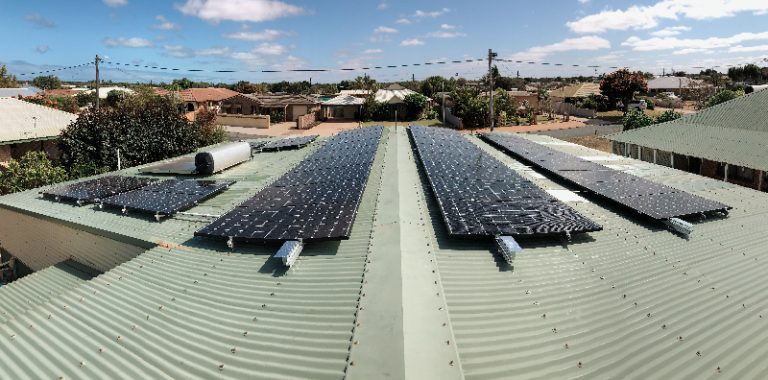
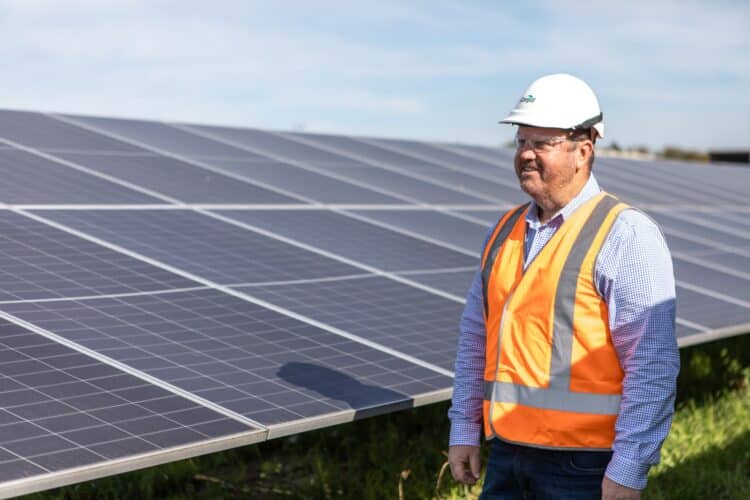
Cargill has successfully installed a 2.58MW solar array to power its crush plant located in Newcastle, New South Wales, resulting in a reduction of approximately 2700 tonnes of Scope 2 CO₂ emissions.
The new solar project is expected to produce an impressive 4200MWh of renewable electricity each year. The US-based agricultural company highlighted the financial advantages of generating energy directly on-site.
“Given the increasing volatility in energy markets, on-site electricity generation helps stabilise costs and enhances the reliability of Cargill’s operations, providing greater certainty for both our customers and the broader supply chain,” the company explained.
Investment in Australia’s Oilseed Processing
This solar installation is part of Cargill’s broader investment in Australia’s oilseed processing sector, where the firm is committing $100 million to upgrade and enhance its facilities in Newcastle, Narrabri, and Footscray. This move comes in response to the rising demand for food, feed, and renewable fuels.
Nick Ebrill, Cargill’s senior director for regional operations in SSEA-Australia, commented, “By incorporating renewable energy into our manufacturing processes, we not only cut emissions but also boost resilience and create sustainable value.”
He added, “This initiative exemplifies what can be accomplished when steadfastness and local knowledge converge to drive significant, transformative changes.”
A Unique Renewable Energy Asset
The facility is noted as the only renewable energy asset that is entirely constructed and owned by an Australian bulk handler and oilseed processor.
Cargill, a leader in biofuels innovation, is poised to play a pivotal role in the development of a local low-carbon fuels sector in Australia.
In September 2025, the Federal Government revealed plans to invest $1.1 billion into low-carbon fuels through its Cleaner Fuels Program, aimed at introducing first ‘drop-in’ fuels—those that can seamlessly replace conventional fuels in existing engines—by 2029.
In response to this announcement, Cargill expressed its support.
“Establishing a biofuels sector in Australia would create new market opportunities for farmers, lessen their dependence on global fluctuations, bolster local manufacturing, generate significant tax revenue for communities, and assist Australia in reaching its emissions reduction goals,” stated the company.
“Cargill remains committed to collaborating with the Federal Government and all relevant stakeholders as Australia advances in developing its low-carbon liquid fuels sector.”