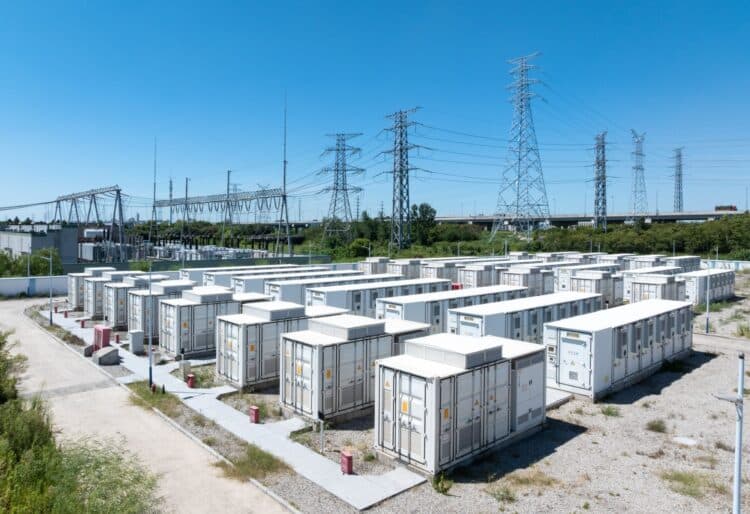
Can Queensland Sustain Its Battery Leadership?
In 2018, Queensland took the initiative by launching Australia’s first battery storage database, allowing homeowners to register their batteries to enhance transparency within the energy network.
According to Dr Anthony Lynham, former Energy Minister of Queensland, these batteries play a crucial role in effectively managing the electricity network during peak usage times. He noted, “This is part of our plan to use network energy assets to further lower wholesale prices, minimise price spikes and increase the resilience of the power networks.”
Leadership in Energy Storage
Queensland has established itself as a front-runner in energy storage, an effort significantly promoted by former Labor leader Annastacia Palaszczuk throughout her tenure as Premier over the past eight years. In September 2022, she unveiled a substantial $62 billion energy plan prioritising the adoption of pumped hydro and battery technologies, backed by a dedicated $500 million fund aimed at fostering investment in large-scale and community battery projects.
The momentum continued under Premier Steven Miles, who in February 2024, introduced a $570 million Battery Industry Strategy. During his leadership, the Queensland Conservation Council reported that between the final quarter of 2023 and the third quarter of 2024, an impressive 1635MW of storage capacity either secured financial backing or broke ground in the state.
Regulatory Changes Under New Leadership
However, the regulatory environment has shifted slightly with Liberal leader David Crisafulli assuming office. In December, new regulations restructured the approval process for large-scale Battery Energy Storage Systems (BESS) of 50MW or more, transitioning authority from local councils to the state government. The Planning (Battery Storage Facilities) and Other Legislation Amendment Regulation 2025 now requires these projects to conduct a social impact assessment and reach agreements with local government on community benefits prior to submitting a development application.
This move aligns the approval processes for battery projects with renewable energy initiatives in Queensland. Deputy Premier and State Development Minister Jarrod Bleijie stated, “The Crisafulli Government’s changes ensure BESS projects are assessed consistently and transparently, removing delays and providing certainty for industry and communities.” He emphasised the aim of empowering local governments and enhancing community engagement in managing social impacts and negotiating project benefits.
Diverse Reactions Over New Policies
The changes have garnered mixed reactions, with local farmers welcoming the development, while clean energy advocates like Jackie Trad, the Chief Executive of the Clean Energy Council, have voiced their concerns. Trad expressed her bewilderment at the potential implications of these changes on project costs and grid stability, highlighting, “Deputy Premier Bleijie is once again attacking clean energy and driving away investment from the state.”
She further commented that the abrupt announcement, with only 24 hours’ notice, jeopardised billions of dollars’ worth of projects that were in progress, suggesting that it casts doubt on Queensland’s investment climate. “Industry is supposed to be welcome in Queensland, not frozen out,” she asserted.
Economic Outlook and Future Developments
Shortly after introducing the new regulation, the Queensland Government shared its achievements in renewable energy and battery integration for 2025, noting that eleven solar, wind, and battery projects were connected to the grid in the previous year. Treasurer and Minister for Energy, David Janetzki, reiterated the state’s commitment to an energy roadmap that prioritises “affordable, reliable and sustainable” energy solutions.
In his remarks, Janetzki stated, “We need coal generation, more wind and solar, as well as additional dispatchable resources, including gas turbines, smaller pumped hydro systems, and batteries for effective storage and firm supply.” The outlook for Queensland’s battery development in 2026 remains uncertain, but the Queensland Government’s vision for energy seems steadfast, indicating that traditional energy sources like coal and gas will remain part of the mix.