Australia Cuts Funding for Green Hydrogen and Solar Initiatives
The Australian federal government has dialled down its ambitions in the realms of green hydrogen and the global solar and battery supply chains, following a series of budget cuts and funding reallocations presented in the federal budget for 2026-27.
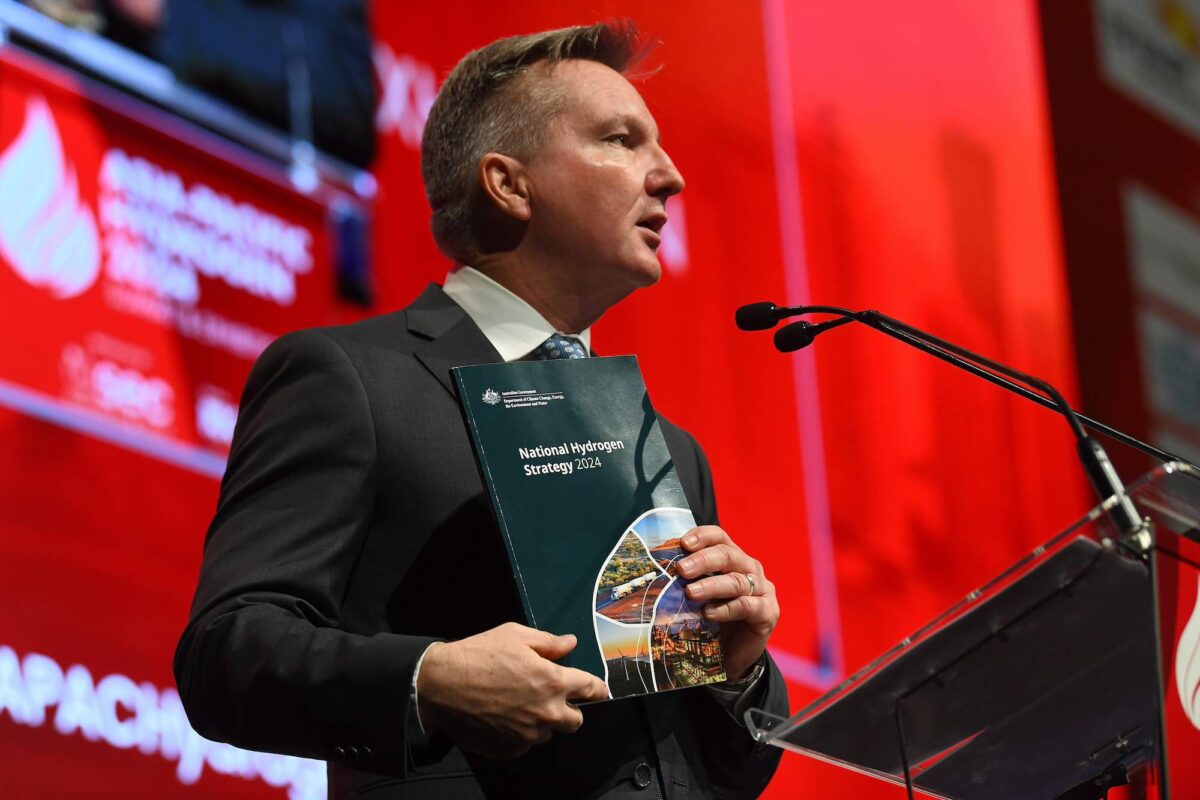
During the budget announcement on Tuesday evening, Federal Treasurer Jim Chalmers outlined plans for the upcoming financial year, addressing key issues such as worker support, fuel security, the rising cost of living, housing, and increased taxes on investors.
Budget Cuts Impacting Renewable Initiatives
While attention was largely centred on fuel security amid the geopolitical tensions involving the US, Israel, and Iran, there were sparse updates regarding Australia’s transition to electric energy. Notable mentions included revisions to the government’s electric vehicle discount programme and new funding for kerbside charging infrastructure.
However, tucked away in the intricate details of the budget was the government’s revelation that it aims to save $2.2 billion over the next 14 years by reallocating funds from the Department of Climate Change, Energy, the Environment, and Water (DCCEEW).
Reductions in Renewable Energy Funding
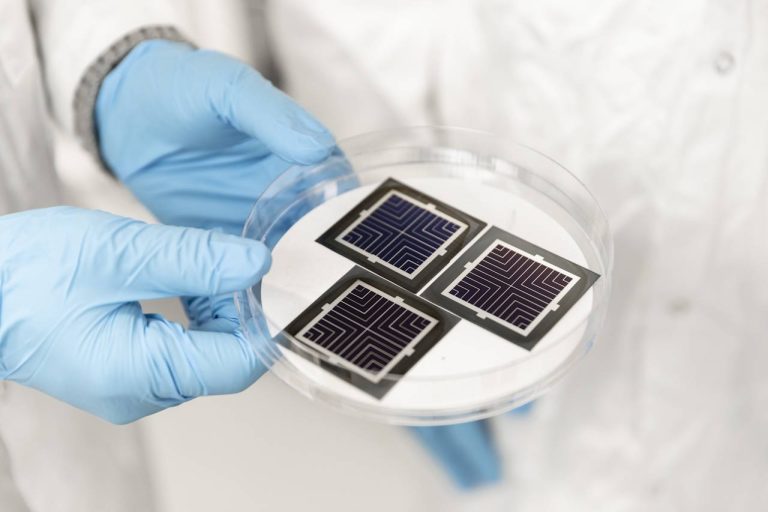
One of the principal areas affected is the diminishing of unallocated funds associated with the Battery Breakthrough Initiative and Solar Sunshot programs, alongside cuts to the second tranche of the Hydrogen Headstart programme. The Battery Breakthrough Initiative and Solar Sunshot were integral to the Future Made in Australia (FMA) initiative, which aimed to foster domestic manufacturing of battery and solar PV technologies.
Moreover, the second round of funding for the Hydrogen Headstart program will see a budget cut of $1 billion, slashing it to a total of $1 billion available for financing large-scale hydrogen production projects.
The inaugural round of this programme had allocated $1.2 billion across two major projects. The first beneficiary, the Murchison Green Hydrogen Project led by Copenhagen Infrastructure Partners, received $814 million, while Orica’s Hunter Valley Hydrogen Hub was awarded $432 million.
Launched in October, the second funding round is aimed at tackling sectors that are challenging to decarbonise, with an emphasis on reducing production costs.
Industry Reactions to Funding Cuts
Thomas Nann, CEO and co-founder of Allegro Energy in Newcastle, expressed his disappointment, comparing the funding cuts to “cancelling the gym membership because you haven’t lost weight yet.” In an open letter to the Prime Minister and Treasurer, he lamented, “You’ve withdrawn $1.3 billion from hydrogen, solar, and battery initiatives due to slower-than-expected industry uptake.”
Nann pointed out the stark contrast in financial support for fossil fuels, which has reached $16.3 billion this year — a rise of 9.4% — highlighting that these subsidies are increasing at a pace quicker than that of the NDIS. The Fuel Tax Credit Scheme alone accounts for $10.8 billion, which is approximately eight times greater than the cuts made from clean energy funding.
He concluded by affirming, “Australia possesses abundant sunlight, wind, minerals, and expertise. We are lagging in the global clean technology race while other governments actively support their industries. While your government may choose not to intervene, it would certainly be appreciated.”
For those interested, over 29,000 subscribers receive updates on the latest advancements in clean energy. To join them for free, you can subscribe to our daily newsletter.