AEMO’s Warning on Eraring and Yallourn Closures
The Australian Energy Market Operator (AEMO) has shared its insights as the country embraces a revamped energy grid. The recently unveiled 2025 Transition Plan for System Security highlights that energy security, rather than simply access, will be pivotal as Australia moves towards an increasingly renewable-based grid.
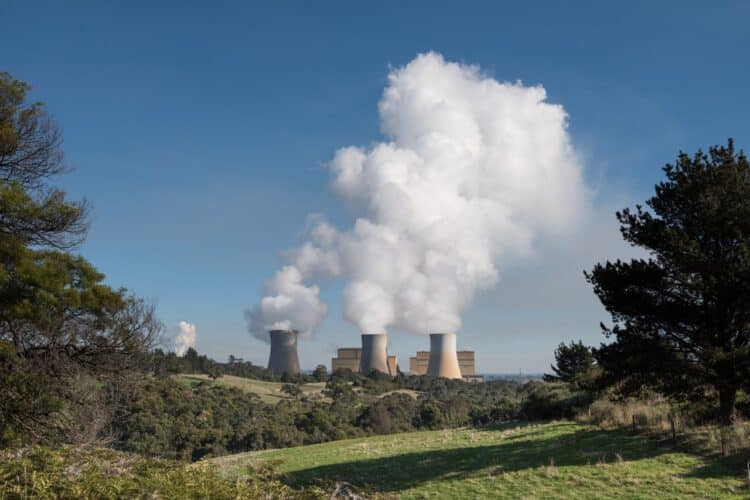
In anticipation of the closure of key baseload coal plants like Eraring and Yallourn in the coming years, AEMO has outlined three critical technologies that will require substantial investment.
Key Technologies for Investment
AEMO emphasises the importance of synchronous condensers equipped with flywheels, which are essential for providing both “system strength and inertia.” These devices replicate the grid-stabilising functions of traditional coal generators by absorbing or supplying reactive power to help regulate voltage.
Furthermore, AEMO advocates for investments in gas turbines that are fitted with clutches, allowing them to function as synchronous condensers. Additionally, grid-forming Battery Energy Storage Systems (BESS) are set to become increasingly vital as they offer benefits like frequency control, voltage stability, and enhancements to system strength.
The Need for Timely Investments
AEMO stresses that solutions associated with system strength and inertia must be implemented together and that prompt investments are crucial for several reasons. The market operator notes that many assets capable of providing these essential security services require lengthy lead times—often five years or more—for approvals, procurement, and installation.
There is an urgent need to prepare for scenarios in which coal generators may implement more flexible operating profiles, such as temporarily going offline during peak daytime hours or seasonally long before their eventual retirement.
According to AEMO, it is vital that the market gradually “decouples” systemic reliance on coal generators to secure a sustainable energy grid for the long term.
Consumer Energy Resources and Grid Stability
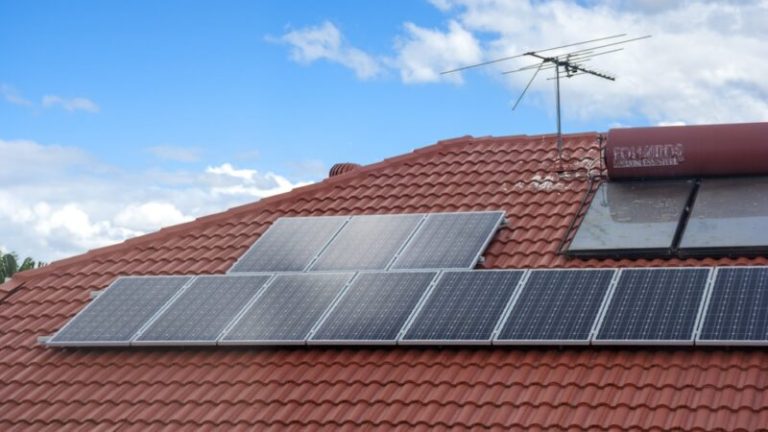
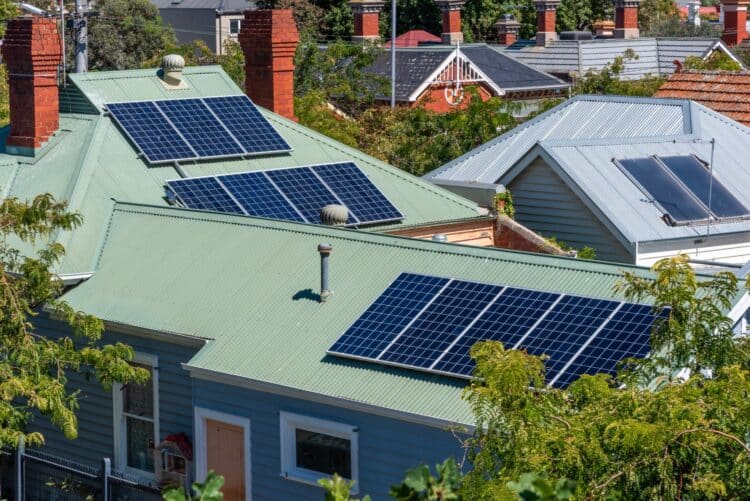
The operator also pointed to the increased significance of consumer energy resources (CER), acknowledging the necessity for enhanced stability measures to manage the influx of rooftop solar installations. AEMO is currently monitoring the impacts of minimum system load (MSL) conditions caused by soaring solar contributions, emphasising the need to maintain a “supply-demand balance” across the entire power system. There are warnings about the potential risk of emergency backstop situations arising if not adequately addressed.
The operator indicated that if replacement sources of system security services are put in place promptly, the grid can continue to accommodate higher levels of rooftop solar. However, without timely interventions, the risk of rising costs and the need for emergency backstop mechanisms, which restrict rooftop solar exports to the grid, are likely to increase.
Industry and Government Actions
AEMO has noted that both industry and government bodies are actively taking steps to address these risks. An example includes Transgrid, which is progressing towards procuring new synchronous condensers to support the system after the Eraring coal-fired power station shuts down in 2027.
The market operator warned that if the synchronous condensers are not operational when needed, there could be scenarios where operational interventions are required up to “30 per cent of the time,” leading to significant costs for consumers to mitigate the risks of more severe consequences.
New South Wales may face necessary “last-resort operational actions” as a result of this situation. Additionally, Queensland needs to ramp up its emergency distributed PV backstop capacity to enhance system security. Meanwhile, Victoria also requires synchronous condensers, especially with the impending closure of the Yallourn power station in mid-2028.
AEMO stated that if gas generators are needed to be directed online to support system strength in Victoria, ensuring access to adequate fuel supplies would be crucial.
Future Plans and International Collaboration
AEMO’s Transition Plan for System Security outlines specific action points for each state and their respective utilities, as detailed on page 9 of the report. The operator has also indicated that the upcoming 2026 report will include more comprehensive insights on future system restart needs, grid-forming inverter capabilities, and the integration of consumer energy resources.
To secure the future viability of the National Electricity Market, AEMO has committed to collaborating with international counterparts, recognising the importance of coordinated efforts in this transformation.