AEMO: Big Batteries Enhance Summer Reliability Amid Extreme Weather
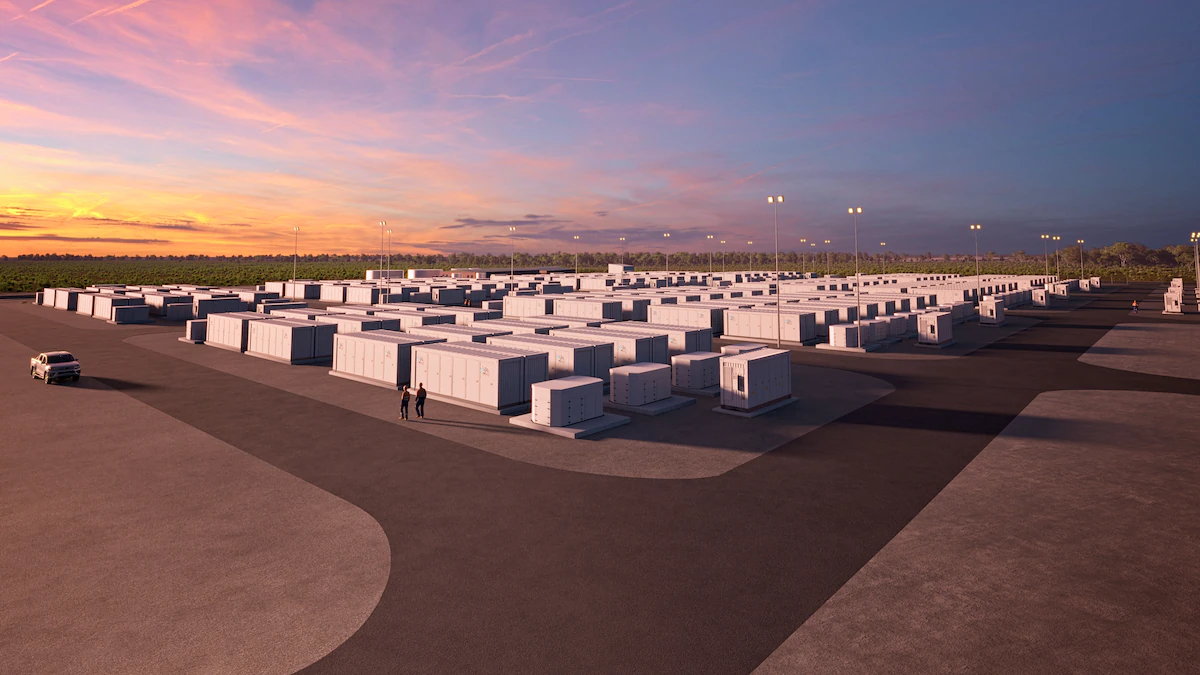
Australia is gearing up for the summer ahead, bolstered by the addition of over 6 gigawatts of new battery capacity since December 2025. This surge in both large-scale and home battery adoption will be crucial in maintaining electricity grid stability during the anticipated challenges of an El Niño summer, where demand is likely to fluctuate due to extreme weather conditions.
The Australian Energy Market Operator (AEMO) published its Summer Readiness outlook for 2026-27 on Friday, predicting that there will be adequate supplies of electricity and gas to meet demand despite expectations of warmer and drier weather linked to El Niño extending into autumn.
Battery Capacity Boost and Reliability
According to the report, while the availability of synchronous electricity generation will remain similar to last summer, the increase in utility-scale battery energy storage systems (BESS) across every state except Tasmania will help mitigate potential reliability issues.
Since late 2025, WA’s main grid has seen the addition of three batteries with a total output of 600 megawatts, while the National Electricity Market (NEM) has welcomed an additional 5.3 gigawatts of battery storage, alongside growth in solar, wind, gas, and hybrid capacities.
“We anticipate sufficient electricity and gas supplies this summer, though we must remain vigilant as conditions can shift rapidly, particularly in extreme heat,” stated Michael Gatt, AEMO’s executive general manager of operations.
Challenges on the Horizon
This summer is expected to pose several challenges, including the increased risk of network outages and generation failures during periods of high heat, resulting in greater electricity demand and heightened bushfire risks.
At the All Energy Australia 2026 event in Melbourne last month, AEMO chief Daniel Westerman explained how grid-scale batteries have significantly increased their energy absorption during the day, now reaching a total of 13 gigawatt hours, with 11 gigawatt hours being released back during evening peak times, accounting for 8% of total consumption.
The summer is projected to be amongst the hottest 20 per cent recorded, potentially leading to new peak demand records in both the NEM and Western Australian Market (WEM). AEMO warns that unusually high temperatures may also elevate evening electricity loads, testing the limits of the national grid’s big batteries and ageing coal power stations.
The Role of Home Batteries
Market observers are also eyeing the impact of over 600,000 home batteries across Australia, which collectively contribute 16.6 gigawatt-hours of energy storage, as pointed out by federal Energy Minister Chris Bowen.
Gatt noted that the rise of distributed energy resources alongside large-scale renewable sources creates new opportunities while necessitating careful management of peak and low operational demands. The growing presence of residential batteries and electric vehicles is complicating forecasting and operational planning, due to limited real-time visibility.
Unexpected Challenges and Risks
Incidents like the recent supercell weather event that damaged transmission infrastructure in South Australia, resulting in power outages for over 24,000 properties, underline the importance of reliable transmission systems. Despite myriad energy sources, including home battery installations, power generation relies heavily on robust infrastructure.
“Challenges may emerge when extreme heat coincides with high electricity demand, coupled with low renewable generation or system outages,” the report notes, identifying risks such as bushfires that could impact generation and transmission capabilities.
AEMO highlights that New South Wales is particularly vulnerable to bushfire threats and the effects of extreme heat on older coal plants, which may lead to had generation and transmission capabilities.
State-Specific Risks and Precautions
Victoria faces pressure on its transmission network owing to risks from bushfires and potential overloads during peak demand periods. South Australia will have its own set of challenges after recent infrastructure setbacks, as it navigates new operational considerations with Project EnergyConnect.
Western Australia is also on high alert for bushfires with apprehensions surrounding thermal generation and network efficiency. Potential industrial actions affecting gas supply have been flagged, alongside concerns regarding the effect of dry conditions on hydro availability in Tasmania and generation capability in Queensland due to extreme heat.
AEMO remains focused on preparing for demanding conditions during the summer, especially when high electricity demand is combined with generation outages and other disruptions. Gatt noted that ongoing observation of weather patterns, electricity demand, and generation availability will be crucial for maintaining a secure power system.
Greg Bourne, a Climate Councillor and former BP executive, expressed concerns over Australia’s ageing coal plants, warning that pushing these older systems too hard could lead to dangerous failures and power outages. He stated that two-thirds of coal power stations are over 40 years old and have experienced numerous unexpected breakdowns during hot seasons.
Tim Buckley, the director of Climate Energy Finance, underscored the necessity of advancing new energy capacity to satisfy the growing demands from electric vehicles and data centres, as well as addressing the reliability issues created by ageing coal plants.