$100 Million Investment in Solar PV Research to Lower Costs
The Australian Renewable Energy Agency (ARENA) has announced a substantial investment exceeding $100 million in 20 research and development projects, aimed at significantly reducing the cost of solar power generation.
In its most significant commitment yet to solar photovoltaic (PV) research, ARENA unveiled its plan on Monday to allocate up to $105.6 million, mostly for initiatives spearheaded by universities across the nation.
ARENA’s Vision for Solar Efficiency
This initiative aligns with ARENA’s ambitious 30-30-30 vision, which seeks to achieve 30% efficiency in PV modules and a target installation cost of 30 cents per watt by the year 2030, aiming for solar electricity costs to drop below $20 per megawatt-hour.
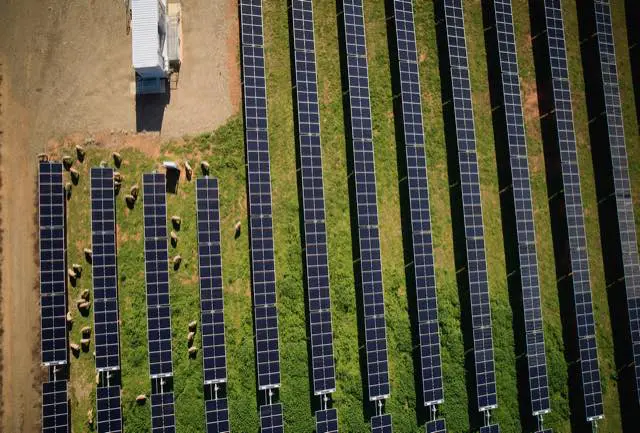
The funding will facilitate research aimed at hastening the commercialisation of next-gen solar cell technology, promoting ultra low-cost solar solutions, and minimising expenses related to the design, construction, operation, and maintenance of large-scale solar farms.
Range of Innovative Projects Funded
The portfolio encompasses various research priorities, including advancements in solar efficiency, cost-effectiveness, and stability for advanced cells and modules, as well as innovative strategies to enhance the performance of solar farms and lower the levelised cost of electricity (LCoE).
This funding represents the next strategic step in ARENA’s goal to reduce solar costs to 30 cents per watt by the end of the decade while solidifying Australia’s leadership in solar innovation.
“Australia has long been a vanguard in solar technology development, and these projects will bolster our standing in the industry,” stated Chris Faris, acting CEO of ARENA.
“This portfolio combines a variety of near-term enhancements with groundbreaking technologies that promise to reduce costs, boost performance, and expedite the global roll-out of solar energy.”
Leading Universities and Companies Involved
A total of 20 projects received funding, with a strong focus on research initiatives from Australia’s top universities. The University of New South Wales (UNSW) alone secured funding for 12 distinct research projects, alongside contributions from the Australian National University (ANU), the University of Melbourne, and the University of Sydney.
In addition, two companies were awarded funding. Sunspence Pty Ltd, a newcomer in the field, received $3.6 million for the development of its lightweight bifacial solar farm system, while Proa Energy Australia Pty Ltd garnered $4.2 million to trial a platform designed to identify faults in solar farms, enhance performance, and decrease operational costs.
Research Innovations in Solar Cell Technology
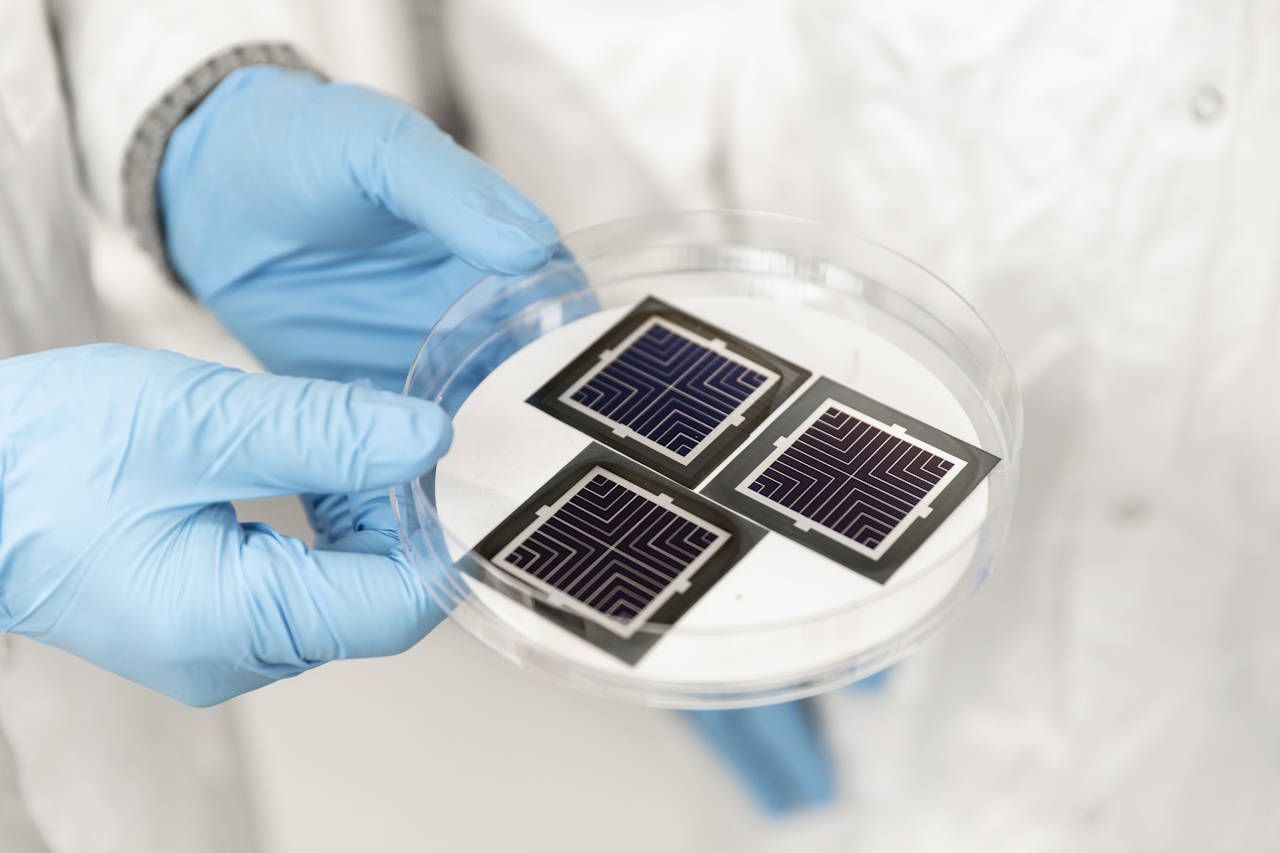
Among the notable recipients of funding is Professor Anita Ho-Baillie from the University of Sydney, who was granted $7.25 million to advance the development of more durable silicon-perovskite tandem solar cells and modules.
In collaboration with Unison Solar Energy, an Australian solar panel manufacturer, Professor Ho-Baillie, who holds the John Hooke Chair of Nanoscience, aims to bring tandem-cell technology closer to commercial viability. The project will focus on demonstrating the reliability of silicon-perovskite cells according to industry standards.
“Silicon doesn’t have much room for improvement as its theoretical limit is merely 30%; however, for perovskite-silicon tandem cells, the efficiency potential extends to about 40%,” Professor Ho-Baillie explained.
“This initiative represents a remarkable opportunity to translate the research conducted at our University over the past six years into real-world applications. We are eager to bring Si-perovskite technology to a stage where it can produce clean power on a commercial scale.”